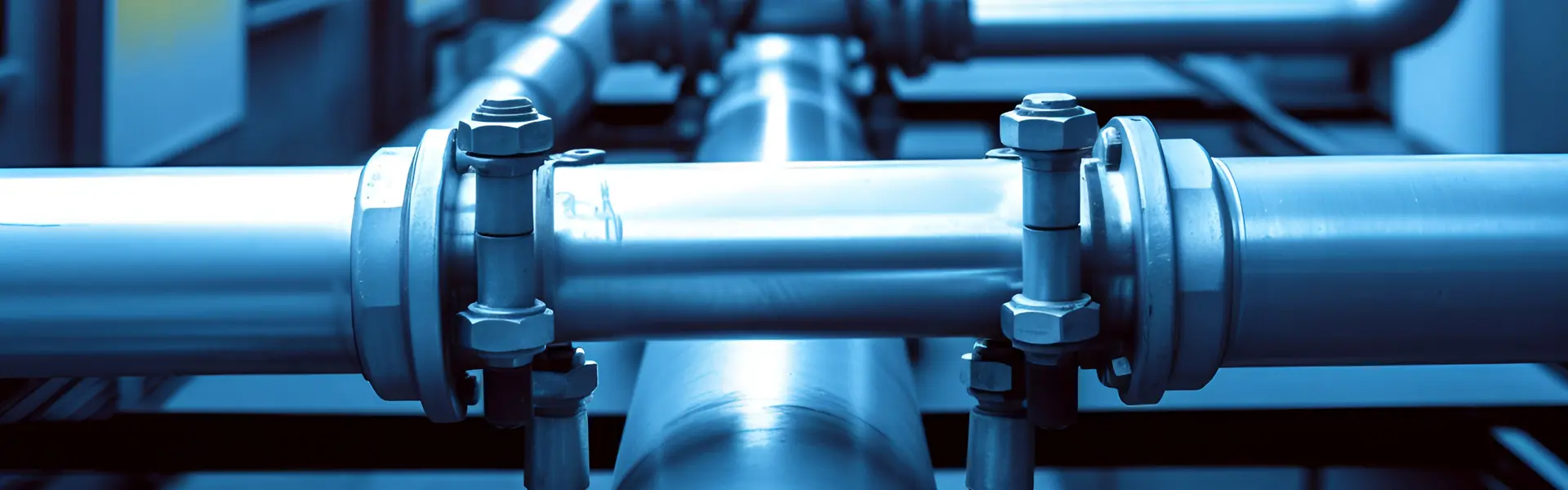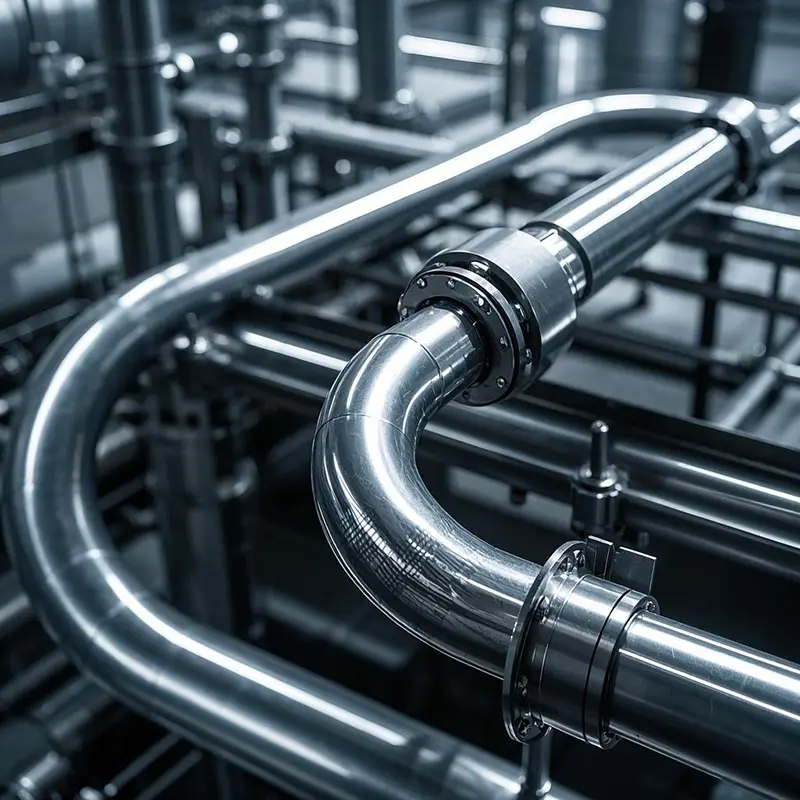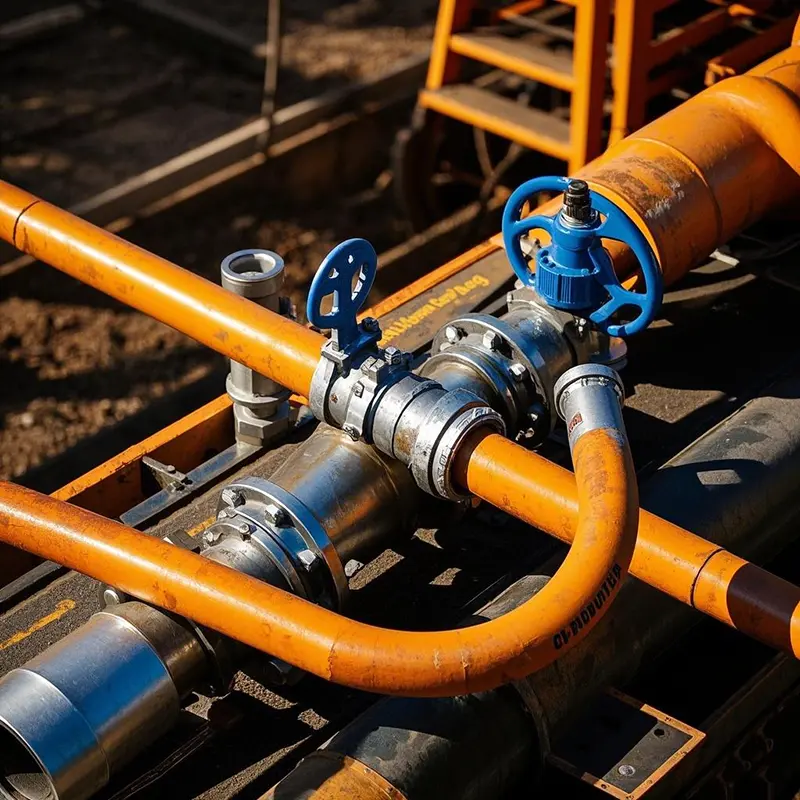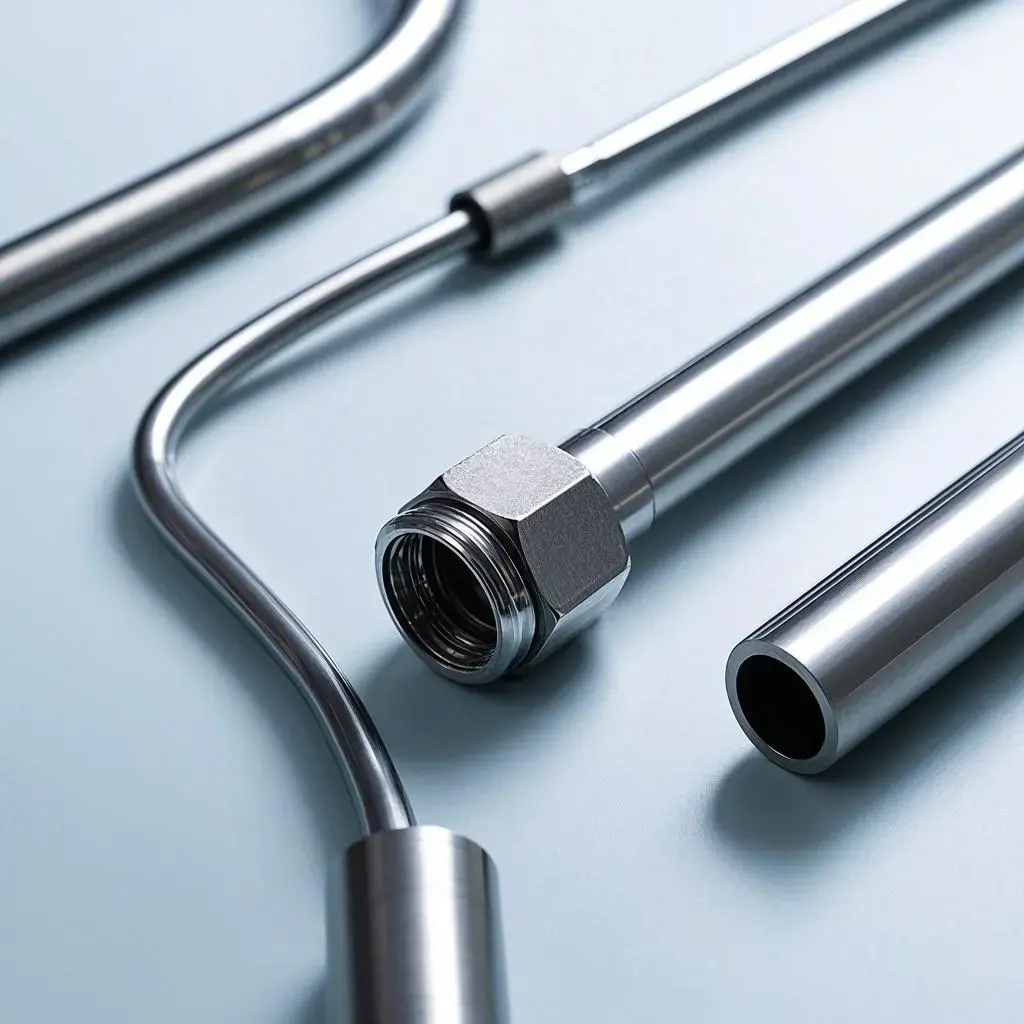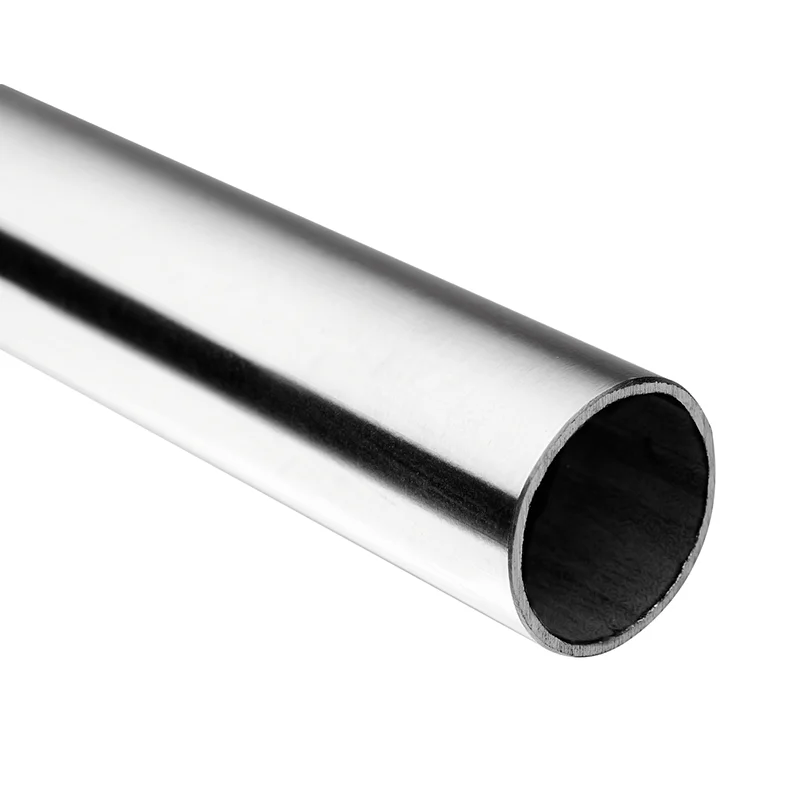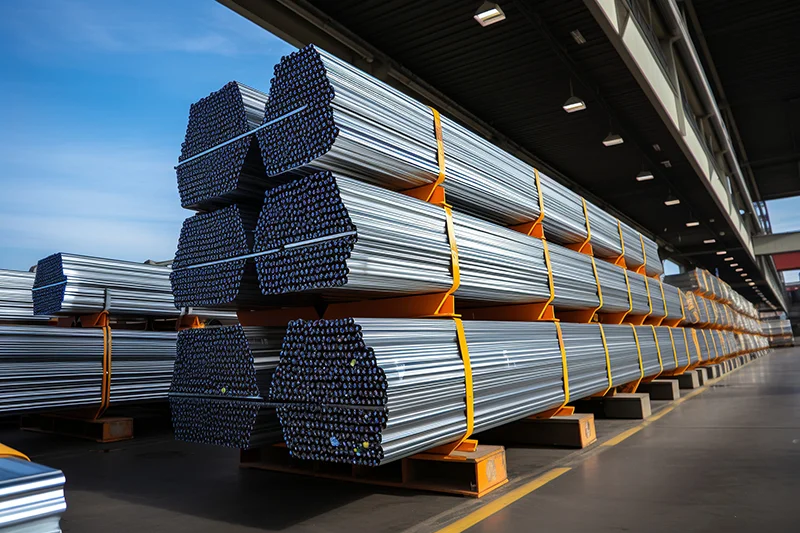
In modern chemical processing environments, material selection directly determines operational safety, durability, and cost control. Among all available options, stainless steel pipes stand out as a critical component due to their corrosion resistance, structural strength, and long service life. Industries handling aggressive chemicals, high temperatures, and extreme pressures require piping systems that can withstand these challenges without failure. This article explores the value, performance, and practical considerations of stainless steel pipes in the chemical industry, helping buyers and engineers make informed decisions.
This comprehensive guide explains the importance of stainless steel pipes in chemical applications, covering material grades, corrosion resistance, manufacturing standards, and selection strategies. It also addresses common buyer concerns such as cost-effectiveness, maintenance, and compliance. Practical tables, structured insights, and FAQs are included to support decision-making.
Chemical processing involves transporting aggressive fluids such as acids, alkalis, and solvents. Stainless steel pipes provide a reliable solution due to their ability to resist chemical reactions, maintain structural integrity, and ensure leak-free operations.
Companies like Zhejiang Shuangsen Metal Technology Co., Ltd. focus on producing high-quality stainless steel pipes tailored for such demanding environments, ensuring both safety and efficiency.
Stainless steel pipes are composed primarily of iron, chromium, and other alloying elements. The addition of chromium (typically above 10.5%) forms a passive layer that protects against corrosion.
| Element | Function |
|---|---|
| Chromium | Provides corrosion resistance |
| Nickel | Enhances toughness and ductility |
| Molybdenum | Improves resistance to pitting corrosion |
| Carbon | Increases strength |
Different grades are designed for specific chemical environments. Choosing the correct grade ensures optimal performance.
| Grade | Features | Application |
|---|---|---|
| 304 | General corrosion resistance | Basic chemical transport |
| 316 | High resistance to chlorides | Marine and chemical plants |
| 321 | High temperature resistance | Heat exchangers |
| 904L | Superior acid resistance | Strong acid handling |
Zhejiang Shuangsen Metal Technology Co., Ltd. offers a wide range of these grades, ensuring compatibility with various chemical processes.
The corrosion resistance of stainless steel comes from its passive oxide layer. This thin film automatically repairs itself when damaged, preventing rust formation.
In highly aggressive environments, selecting pipes with added molybdenum or higher nickel content can further enhance protection.
Choosing the correct pipe involves evaluating several key factors:
Working with reliable manufacturers such as Zhejiang Shuangsen Metal Technology Co., Ltd. ensures consistent quality and compliance with industry requirements.
Stainless steel pipes are widely used across multiple chemical sectors:
Their versatility makes them indispensable in both large-scale plants and specialized facilities.
| Material | Advantages | Disadvantages |
|---|---|---|
| Stainless Steel | Durable, corrosion-resistant, long life | Higher initial cost |
| Carbon Steel | Lower cost | Prone to corrosion |
| Plastic | Lightweight | Limited temperature resistance |
| Copper | Good conductivity | Expensive and reactive with chemicals |
Despite higher upfront costs, stainless steel offers superior lifecycle value, especially in demanding chemical environments.
Proper maintenance ensures long-term performance:
High-quality products from Zhejiang Shuangsen Metal Technology Co., Ltd. are designed to minimize maintenance requirements while maximizing durability.
Q1: Why is stainless steel preferred in chemical industries?
A: It provides excellent resistance to corrosion, ensuring safety and longevity.
Q2: Which grade is best for acidic environments?
A: Grades like 316 and 904L are ideal for handling strong acids.
Q3: Are stainless steel pipes expensive?
A: While initial costs are higher, they offer better long-term value due to durability.
Q4: How long do stainless steel pipes last?
A: With proper maintenance, they can last decades.
Q5: Can stainless steel pipes handle high temperatures?
A: Yes, especially grades designed for high-temperature applications.
Stainless steel pipes are a cornerstone of modern chemical industry infrastructure. Their unmatched durability, corrosion resistance, and adaptability make them the preferred choice for critical applications. By selecting the right grade and working with trusted manufacturers like Zhejiang Shuangsen Metal Technology Co., Ltd., businesses can significantly improve operational safety and efficiency.
If you are looking for high-performance stainless steel pipe solutions tailored to your chemical processing needs, contact us today to discover how Zhejiang Shuangsen Metal Technology Co., Ltd. can support your projects with reliable and cost-effective products.