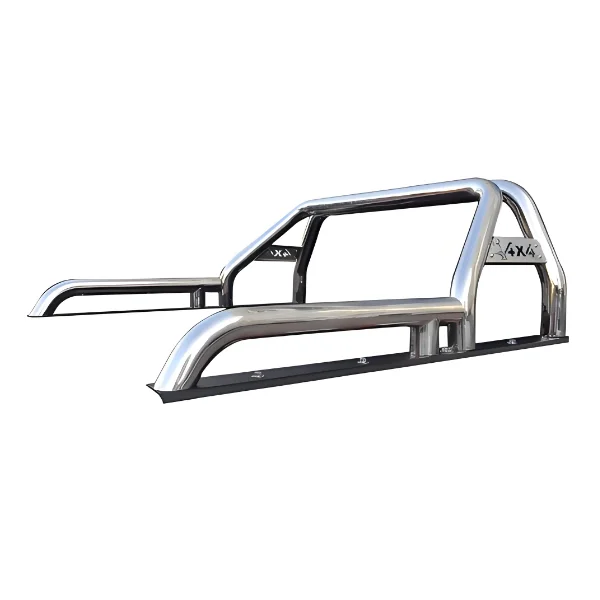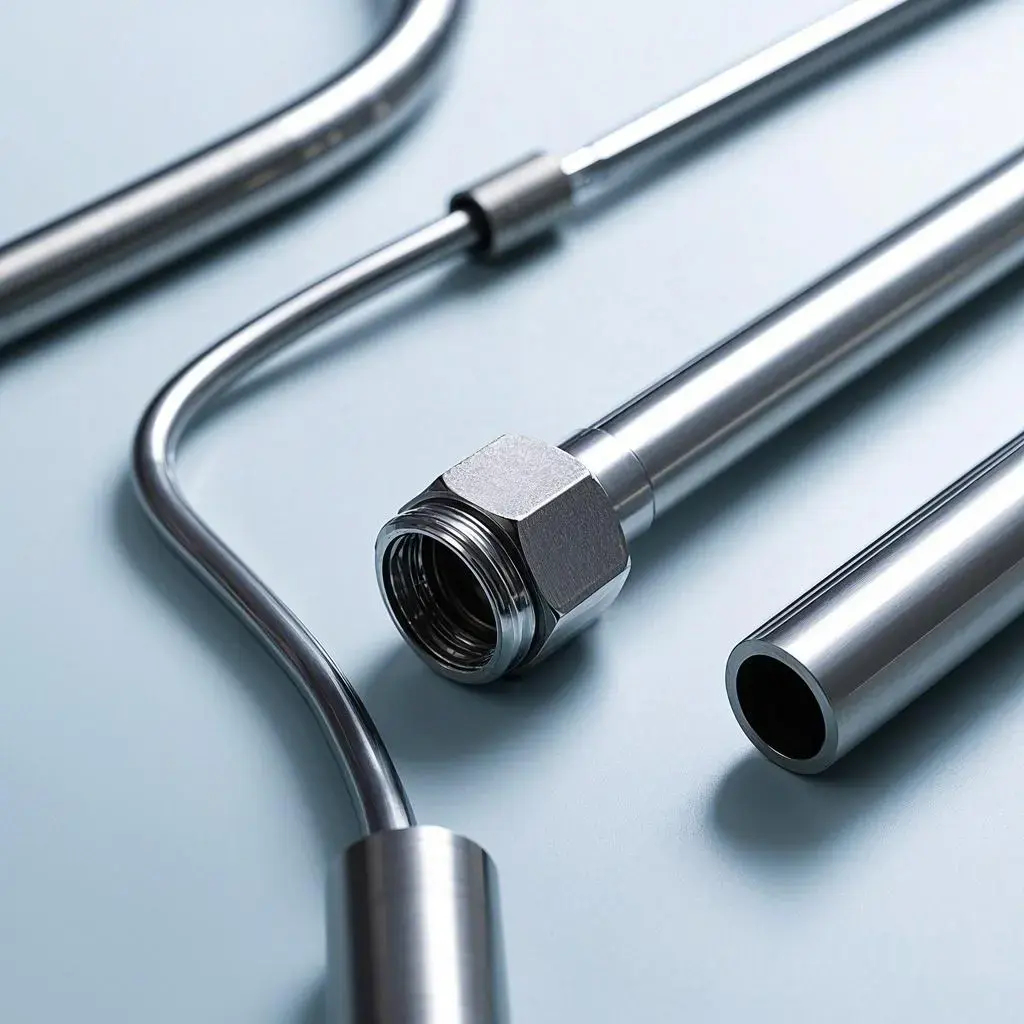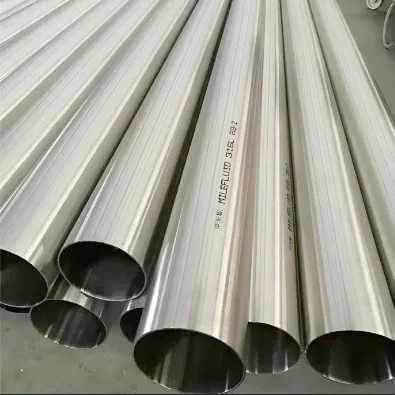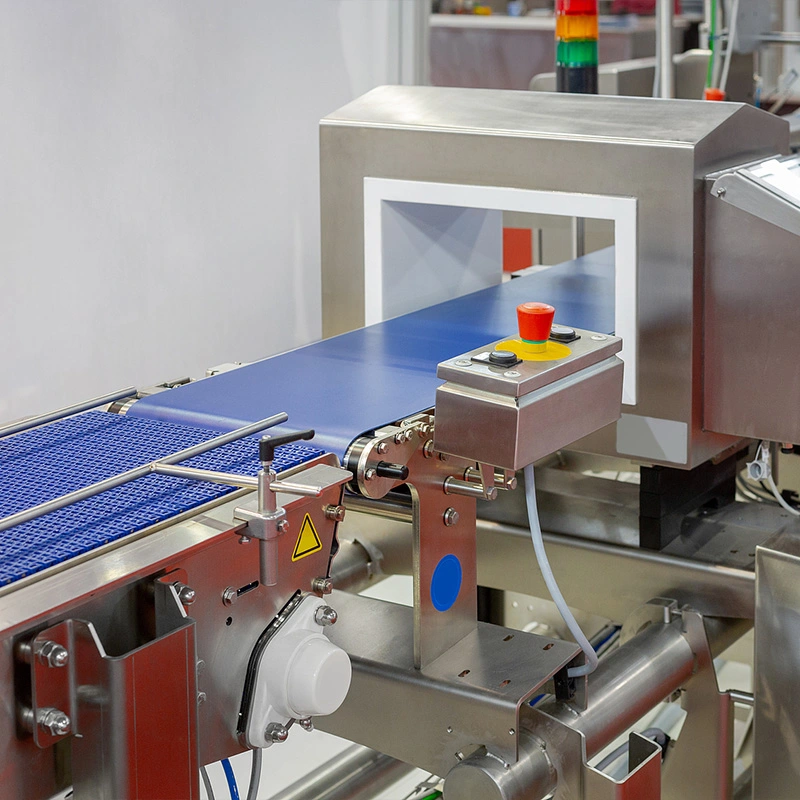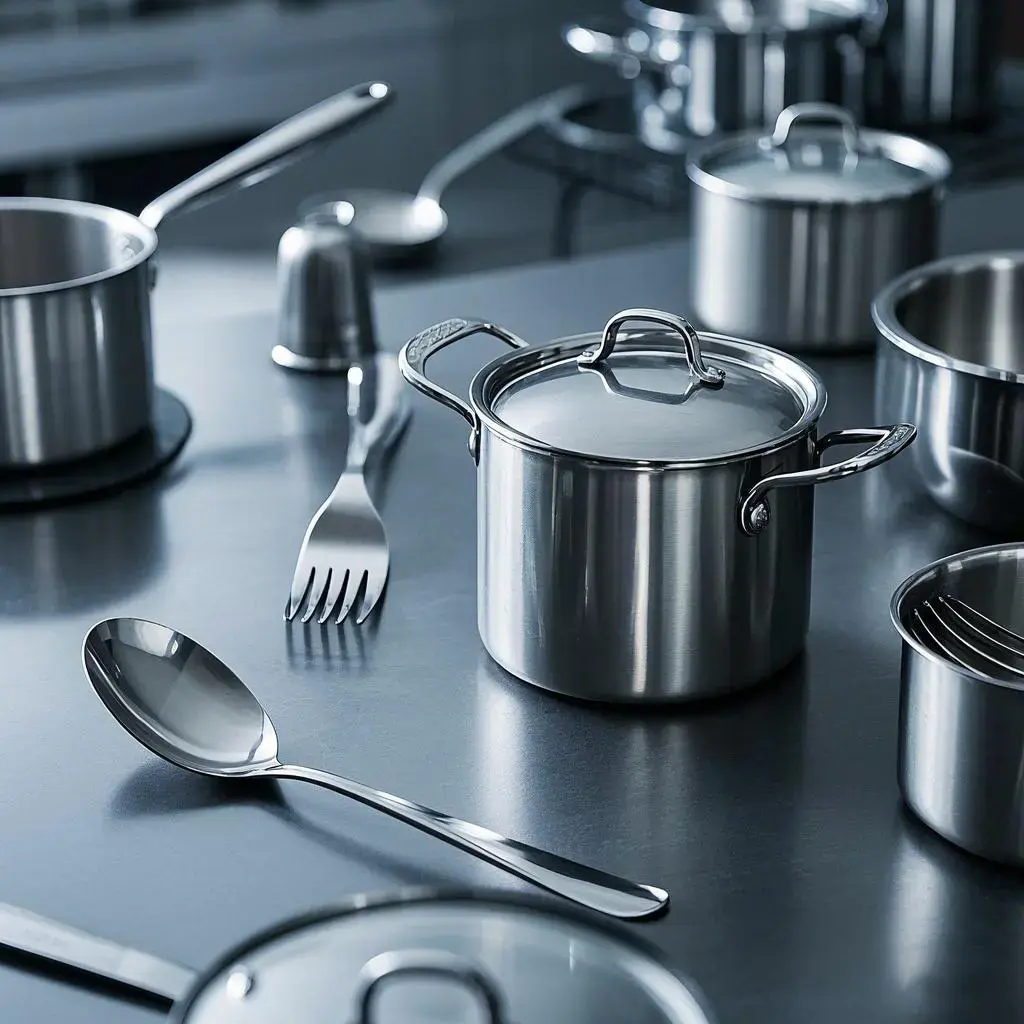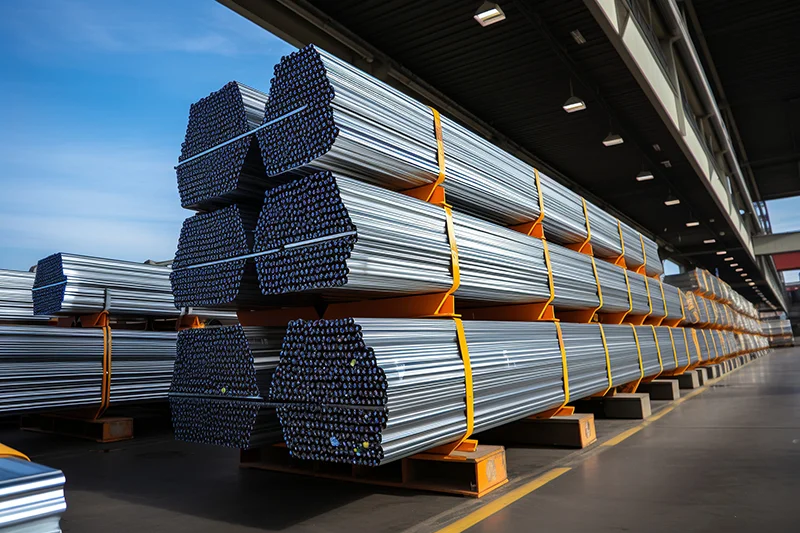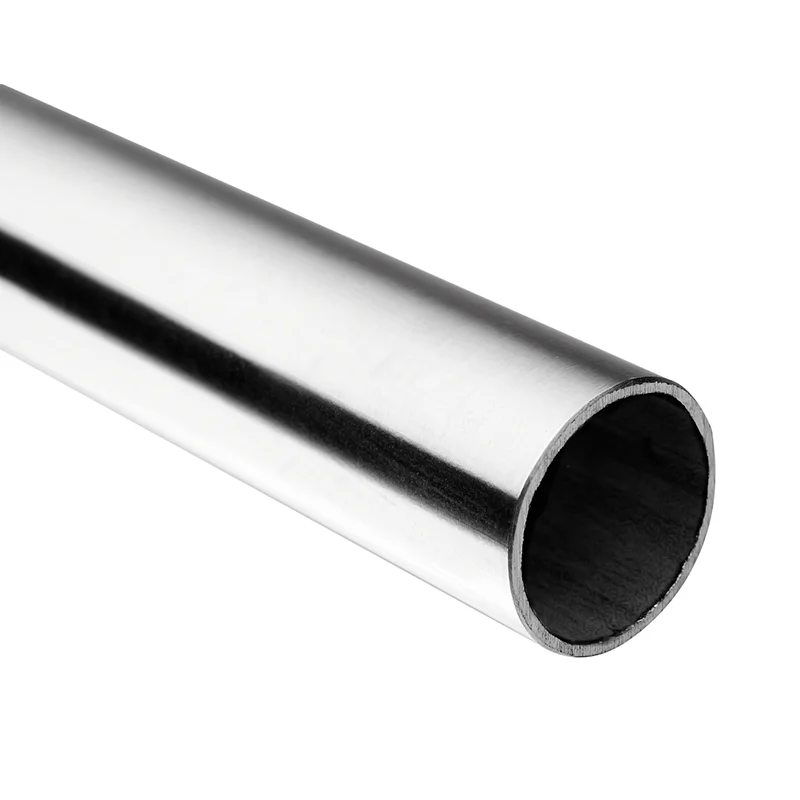


Kitchenware Stainless Steel Pipe has become an essential component in modern kitchen equipment production due to its excellent corrosion resistance, durability, hygiene performance, and attractive appearance. Shuangsen specializes in manufacturing high-quality stainless steel pipes for kitchenware applications, providing reliable solutions for cookware, kitchen appliances, food processing equipment, and customized stainless steel fabrication projects. As an experienced stainless steel pipe supplier, Shuangsen focuses on precision processing, strict quality control, and stable production capabilities to meet global purchasing requirements.
With increasing demand for safe, durable, and easy-to-clean kitchen products, stainless steel materials have replaced many traditional metals in commercial and household kitchen applications. This article explains the advantages, manufacturing process, specifications, applications, and selection considerations of Kitchenware Stainless Steel Pipe to help buyers understand why it is widely used in the global kitchenware industry.

Table of Contents
- Why Is Kitchenware Stainless Steel Pipe Important?
- What Are the Main Advantages of Stainless Steel Pipes for Kitchenware?
- How Are Kitchenware Stainless Steel Pipes Manufactured?
- Where Are Kitchenware Stainless Steel Pipes Used?
- How to Select the Right Stainless Steel Pipe for Kitchenware?
- Frequently Asked Questions About Kitchenware Stainless Steel Pipe
Why Is Kitchenware Stainless Steel Pipe Important?
The kitchen environment requires materials that can withstand moisture, heat, frequent cleaning, and food contact conditions. Kitchenware Stainless Steel Pipe provides a combination of strength and hygiene that makes it suitable for manufacturing various kitchen products.
Unlike ordinary steel pipes, stainless steel pipes contain chromium elements that create a protective oxide layer on the surface. This passive layer prevents corrosion and helps maintain a clean appearance even after long-term use.
For manufacturers, stainless steel pipes offer excellent processing flexibility. They can be cut, welded, polished, bent, and formed into different structures according to product design requirements. This makes them ideal for producing modern kitchen equipment with both functional and aesthetic advantages.
What Are the Main Advantages of Stainless Steel Pipes for Kitchenware?
High-quality stainless steel pipes provide multiple benefits for kitchenware manufacturers and end users. The major advantages include:
- Excellent corrosion resistance: Stainless steel maintains stable performance when exposed to water, steam, and cleaning chemicals.
- Food safety performance: Food-grade stainless steel surfaces are smooth, non-toxic, and easy to sanitize.
- High durability: Strong mechanical properties allow products to withstand daily impact and long-term usage.
- Easy maintenance: The smooth surface reduces dirt accumulation and simplifies cleaning procedures.
- Modern appearance: Polished stainless steel creates a premium visual effect suitable for high-end kitchen products.
| Feature | Benefit | Kitchen Application |
|---|---|---|
| Corrosion Resistance | Prevents rust and extends service life | Sinks, cookware frames, kitchen equipment |
| Food Grade Safety | Suitable for direct food-related environments | Food containers and processing equipment |
| High Strength | Improves structural stability | Kitchen racks and appliance components |
| Surface Finish Options | Enhances product appearance | Decorative kitchen accessories |
How Are Kitchenware Stainless Steel Pipes Manufactured?
The production quality of stainless steel pipes directly affects their final performance. Professional manufacturers usually follow strict processing procedures to ensure dimensional accuracy and surface quality.
1. Raw Material Selection
High-quality stainless steel grades such as 304 and 316 stainless steel are commonly selected for kitchenware applications because they provide excellent corrosion resistance and hygienic performance.
2. Tube Forming Process
During manufacturing, stainless steel sheets or strips are shaped into tubular structures through advanced forming technology. Precise control during this stage ensures consistent diameter, thickness, and strength.
3. Welding and Surface Treatment
After forming, professional welding technology is applied to create strong and stable joints. Surface polishing and finishing processes improve appearance while reducing surface roughness.
4. Quality Inspection
Reliable suppliers conduct inspections including dimensional measurement, surface inspection, mechanical testing, and corrosion resistance evaluation before shipment.
Where Are Kitchenware Stainless Steel Pipes Used?
Kitchenware Stainless Steel Pipe is widely applied in different industries because of its combination of performance and appearance.
- Commercial Kitchen Equipment: Used for restaurant equipment, cooking stations, storage structures, and professional kitchen systems.
- Household Kitchen Products: Applied in kitchen racks, cabinet accessories, handles, and decorative components.
- Food Processing Equipment: Suitable for equipment requiring hygienic surfaces and corrosion-resistant structures.
- Kitchen Appliance Manufacturing: Used in structural parts of refrigerators, ovens, dishwashers, and other appliances.
- Customized Stainless Steel Products: Supports OEM and customized fabrication projects according to customer requirements.
The flexibility of stainless steel processing allows manufacturers to develop different designs while maintaining durability and safety standards.
How to Select the Right Stainless Steel Pipe for Kitchenware?
Choosing the correct stainless steel pipe requires consideration of material grade, dimensions, surface requirements, and application environment.
| Selection Factor | Important Consideration |
|---|---|
| Material Grade | 304 stainless steel is commonly used for general kitchen applications, while 316 offers stronger corrosion resistance. |
| Pipe Size | Diameter and wall thickness should match product structure and strength requirements. |
| Surface Finish | Polished, brushed, or customized finishes can improve appearance and usability. |
| Supplier Capability | Manufacturing experience, quality inspection, and customization ability are important factors. |
When purchasing from a China stainless steel pipe manufacturer, buyers should evaluate production technology, quality management systems, delivery capability, and after-sales support to ensure long-term cooperation.
Why Choose Shuangsen for Kitchenware Stainless Steel Pipe Solutions?
Shuangsen focuses on stainless steel pipe manufacturing with professional production technology and strict quality management. The company provides stainless steel pipe solutions designed for kitchenware, pharmaceutical equipment, food machinery, and other precision applications.
- Professional stainless steel processing experience
- Strict control of raw materials and production procedures
- Support for customized sizes and surface finishes
- Reliable manufacturing capacity for global customers
- Commitment to stable quality and long-term cooperation
By combining advanced manufacturing methods with customer-oriented service, Shuangsen helps worldwide buyers obtain stainless steel pipes that meet demanding kitchenware production requirements.
Frequently Asked Questions About Kitchenware Stainless Steel Pipe
1. What stainless steel grade is commonly used for kitchenware pipes?
304 stainless steel is the most commonly used material for kitchenware applications because it provides excellent corrosion resistance, food safety, and cost efficiency. For more demanding environments, 316 stainless steel can provide enhanced protection.
2. Can stainless steel pipes be customized according to different kitchen designs?
Yes. Professional stainless steel pipe manufacturers can customize pipe diameter, thickness, length, surface treatment, and processing methods according to specific product requirements.
3. Why is stainless steel better than ordinary steel for kitchen applications?
Stainless steel offers better corrosion resistance, easier cleaning, improved hygiene performance, and longer service life compared with ordinary steel, making it more suitable for kitchen environments.
4. How can buyers ensure stainless steel pipe quality?
Buyers should select suppliers with professional production experience, strict inspection procedures, stable manufacturing capability, and the ability to provide customized solutions.
Conclusion
Kitchenware Stainless Steel Pipe plays an important role in modern kitchen manufacturing because of its durability, hygiene advantages, corrosion resistance, and design flexibility. From household kitchen products to commercial food equipment, stainless steel pipes provide reliable structural support and long-lasting performance. Working with an experienced manufacturer ensures consistent quality, customized solutions, and efficient supply capability. If you are looking for reliable stainless steel pipe solutions for kitchenware production, please contact us for professional support and customized manufacturing services.