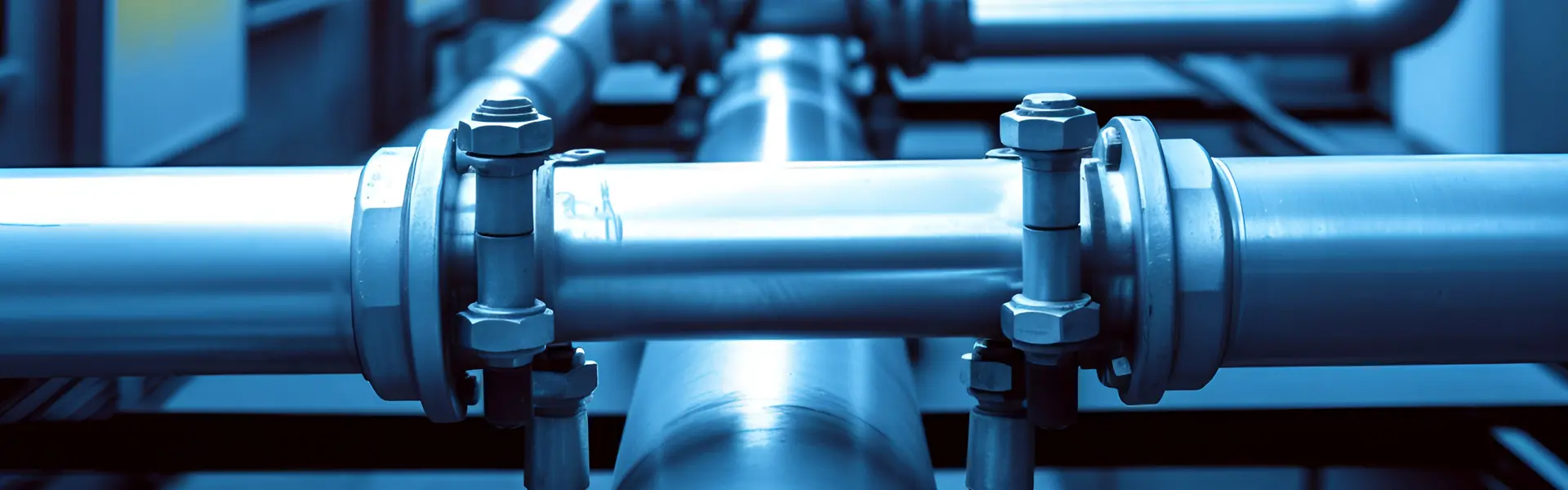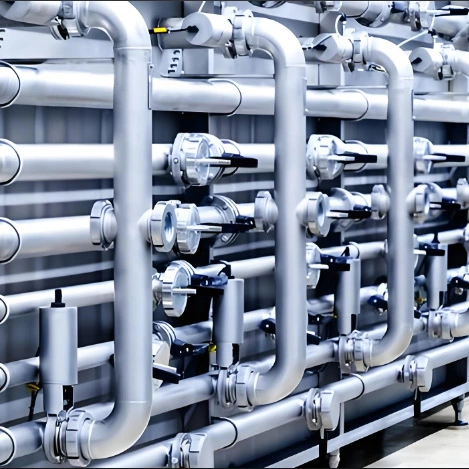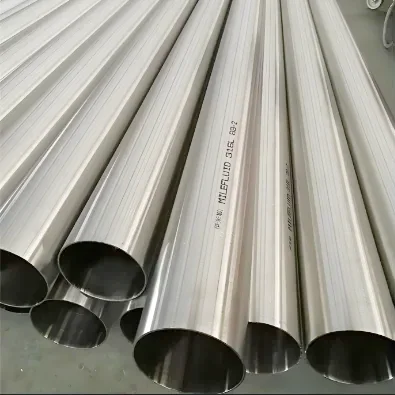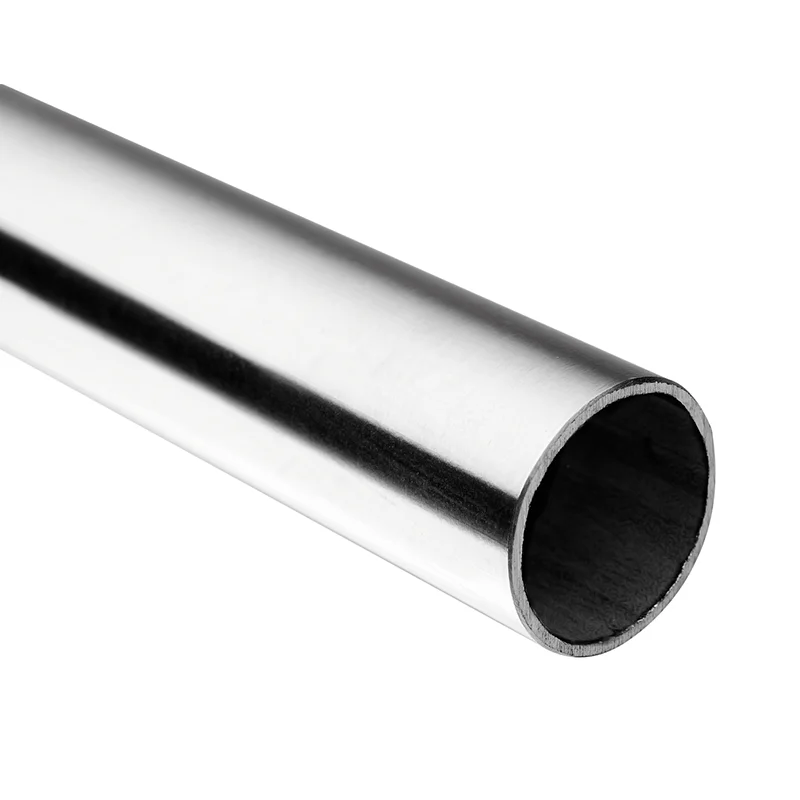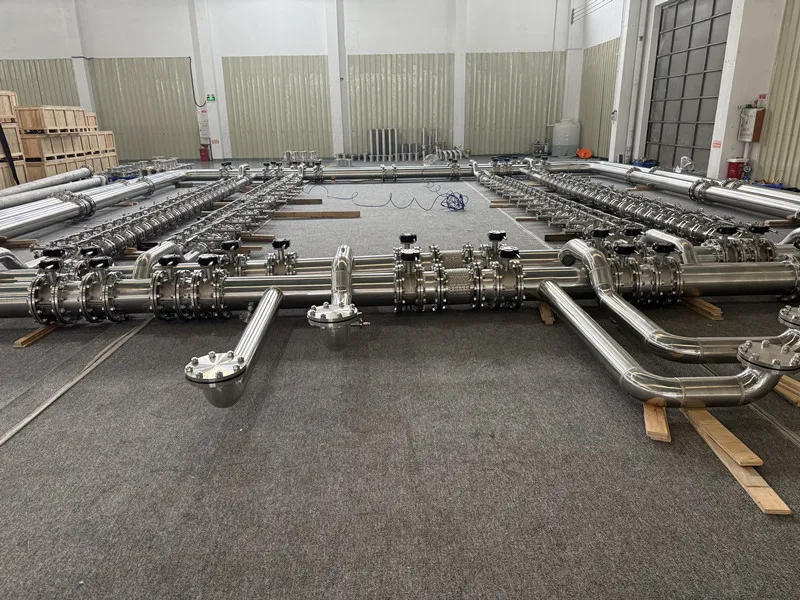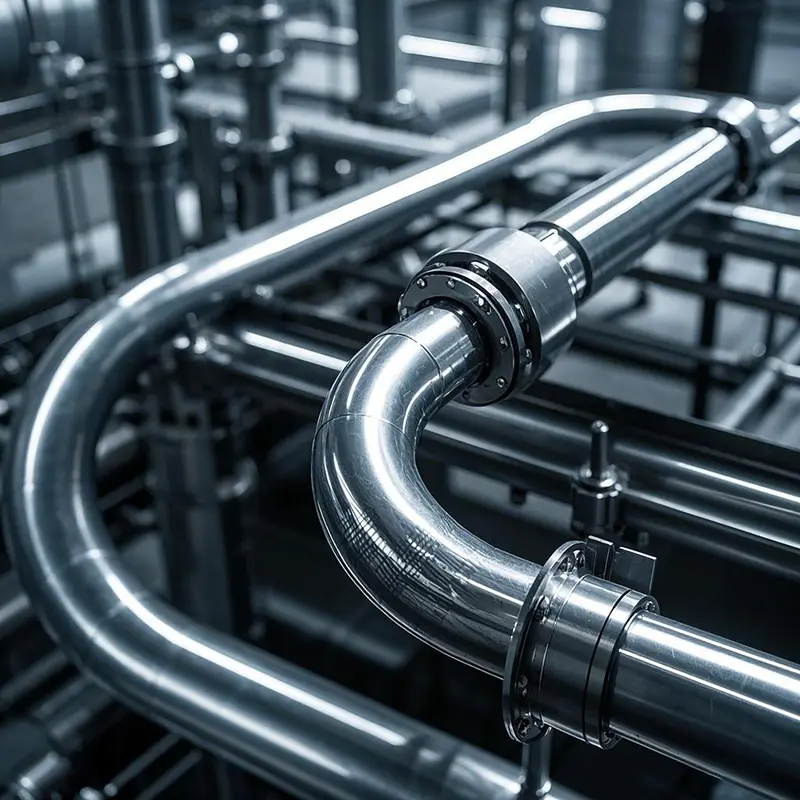
Stainless Steel Condenser Pipe refers to piping fabricated from high-quality stainless steel material designed specifically for use in condensers and heat exchanger systems, where efficient heat transfer and corrosion resistance are critical for long-term performance. These pipes are integral to various industries including HVAC (heating, ventilation & air conditioning), petrochemical, power generation, and refrigeration systems.
In this comprehensive guide, you’ll discover what a stainless steel condenser pipe is, how it operates in heat exchange systems, the benefits and limitations of using stainless steel over other materials, key applications, material standards and grades, and how to choose the right condenser piping solution. We’ll also explore practical tips, technical data tables, and conclude with a detailed FAQ related to condenser pipe technology.
A stainless steel condenser pipe is a tubular component made from stainless steel that’s specifically engineered to transfer heat in condenser systems. In heat exchange equipment, the condenser pipe facilitates the cooling of vapor or hot liquids, condensing them back into liquid form as part of a larger thermodynamic cycle. These pipes often adhere to international standards such as ASTM, ASME, DIN, and JIS for dimensions and performance.
The primary function of a condenser pipe in a condenser system is to transfer heat from a hot fluid or vapor to a cooling medium—often water or air—causing the fluid to condense. As the hot fluid travels through the pipe walls, heat is dissipated through conduction and convection processes. Stainless steel’s favorable thermal and material properties allow for consistent performance even under high pressure and temperature conditions.
The most common stainless steel grades for condenser pipes include:
| Grade | Key Features | Use Case |
|---|---|---|
| 304 | Excellent corrosion resistance, general-duty use | HVAC, refrigeration systems |
| 316 / 316L | Superior resistance to chloride and aggressive environments | Marine & chemical processing applications |
| 321 | Stabilized against high temperature creep | High-temperature industrial condensers |
These grades offer specific advantages depending on operating conditions such as pressure, temperature, and chemical exposure.
Stainless steel condenser pipes are widely applied in the following sectors:
Stainless steel condenser pipes’ versatility makes them suitable for applications involving high fluid velocities, corrosive environments, and long-term service life requirements.
Compared to alternatives such as copper or carbon steel:
Q: What distinguishes a stainless steel condenser pipe from standard stainless steel pipe?
A: A stainless steel condenser pipe is specifically designed and manufactured for heat exchange systems where phase change and thermal transfer efficiency are required. It often meets higher precision and surface finish standards which aren’t always necessary for general stainless steel piping used for fluid transport.
Q: How does material grade affect condenser pipe performance?
A: Material grade determines corrosion resistance, tolerance to chemicals like chlorides, and operating temperature/pressure capabilities. Higher grades like 316L are more suitable for aggressive or marine environments compared to basic grades like 304.
Q: Are stainless steel condenser pipes expensive?
A: While stainless steel may have a higher upfront cost than materials like carbon steel, its longevity, reduced maintenance needs, and superior corrosion resistance often result in a lower total cost of ownership over time.
Q: Can stainless steel condenser pipes be customized?
A: Yes. Manufacturers such as Zhejiang Shuangsen Metal Technology Co., Ltd. can tailor pipe dimensions, grades, finishing processes, and lengths to meet specific industrial requirements.
Q: What standards are stainless steel condenser pipes manufactured to?
A: Common industry standards include ASTM A213, A249, A269, and ASME specifications. These define expected performance, dimensional tolerances, and testing requirements for industrial condenser piping.
Understanding what stainless steel condenser pipes are and how they function in heat exchange systems is critical for selecting the right piping solution for your project. With excellent corrosion resistance, durability, and compliance with global industry standards, these pipes are an investment in long-term performance. Will you choose the right grade and specifications for your application? If you’re considering tailored solutions, Zhejiang Shuangsen Metal Technology Co., Ltd. offers expertise and custom manufacturing options.
Contact us today to learn more about stainless steel condenser pipe solutions, custom specifications, and how we can help optimize your system!