News

How to Choose the Right Water Pump Pipe for Long-Term Performance and Efficiency?

2025-12-01

Water pump pipes play a central role in residential, commercial, agricultural, and industrial fluid-transfer systems. They determine the stability, pressure consistency, flow capacity, and overall lifespan of a pumping system.

Water Pump Pipe

Comprehensive Overview of Water Pump Pipe Performance Requirements

Water pump pipes are designed to transport water under continuous or intermittent pressure generated by pump systems. Their structural strength, inner-wall smoothness, corrosion resistance, and connection compatibility directly affect operational efficiency. This section outlines key product specifications commonly requested in modern applications.

Product Specifications Overview

Parameter Description
Pipe Material PVC-U, HDPE, Stainless Steel 304/316, Rubber Reinforced Hose
Size Range ½ inch to 10 inches (customizable diameters available)
Pressure Rating PN6–PN25 or 60–250 PSI depending on application
Temperature Resistance -20°C to 80°C for plastic pipes; up to 120°C for stainless steel
Inner Surface Finish Smooth bore structure to reduce friction loss
Connection Type Threaded, flange, quick-coupling, or welding interfaces
Chemical Resistance Designed to resist rust, scale, UV exposure, and mineral buildup
Applications Agriculture irrigation, municipal pumping, construction water supply, drainage systems, industrial circulation

The core objective when selecting a water pump pipe is to ensure that the chosen material and structure match the pressure, flow rate, environment, and maintenance conditions of the system.

How to Evaluate Water Pump Pipe Efficiency and Longevity?

Efficiency is influenced by pipe diameter, internal friction, pump horsepower compatibility, environmental exposure, and whether the pipe is reinforced for high-pressure operations. This section explores the essential features that deliver best-in-class performance.

Pressure Strength and Burst Resistance

Pipes must withstand sudden pump startups, pressure surges, and long hours of operation. High-quality options include:

  • Reinforced HDPE for long-distance agricultural pumping

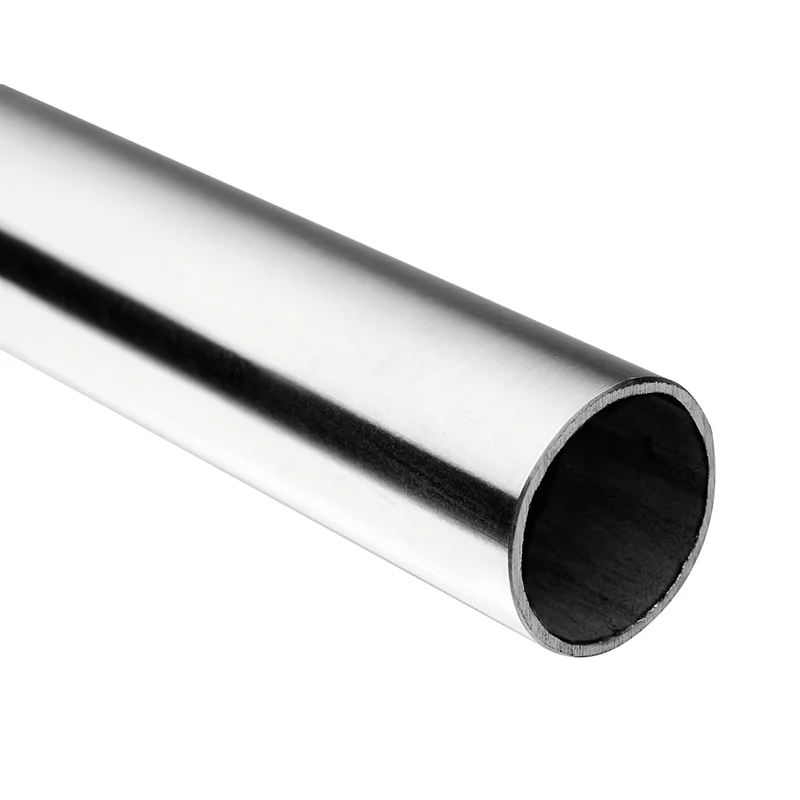
  • Stainless steel for high-temperature or corrosive fluid environments

  • PVC-U for residential and moderate-pressure systems

A properly rated pipe prevents ruptures, protects the pump from overload, and reduces replacement frequency.

Flow Efficiency and Reduced Energy Loss

A smooth interior is crucial for maintaining high flow rates. Reduced turbulence equals lower friction, allowing the pump to work with less energy consumption. This directly impacts electrical efficiency, operational cost, and water delivery speed.

Corrosion, UV, and Chemical Resistance

Outdoor and industrial environments require materials capable of withstanding UV exposure, acidic or alkaline water, sediment, or chemical contaminants. HDPE and stainless steel provide strong protective properties, ensuring longevity.

Installation, Maintenance, and Compatibility

Quick-coupling interfaces or threaded connections allow faster setup, easier disassembly, and reduced labor costs. Choosing a system-compatible pipe ensures seamless integration with existing pumps and fittings.

Water Pump Pipe vs. Traditional Steel Pipe: Which Is Better for Long-Term Use?

This comparison section addresses a frequently researched search topic, helping readers understand performance differences and choose suitable options.

Durability and Structure

  • Water Pump Pipes (HDPE/PVC/Stainless Hybrid): Lightweight, corrosion-resistant, flexible in long-distance applications.

  • Traditional Steel Pipe: High rigidity and high-pressure tolerance but prone to corrosion and requires heavy installation equipment.

Cost and Maintenance

  • Modern Water Pump Pipe: Lower maintenance, minimal rust, easy replacement.

  • Steel Pipe: Requires anti-rust coating, welding labor, and higher maintenance over time.

Application Suitability

  • Flexible Pipes: Ideal for irrigation, drainage, construction supply, and temporary setups.

  • Steel Pipes: Suitable for extremely high pressure or high-temperature industrial settings.

Energy Efficiency

Smooth-bore polymer pipes reduce pump load more effectively than older steel-pipe systems that develop scale over time.

Conclusion: For most water-transfer applications, modern water pump pipes provide better value, greater versatility, and longer service life with lower operating costs.

Best Water Pump Pipes for Agricultural, Residential, and Industrial Applications

Search trends show high interest in “Best X for Y” topics. This segment ranks pipe options based on real-world performance factors.

Best for Agriculture Irrigation

HDPE Reinforced Pipe

  • High flexibility for uneven terrain

  • Strong UV resistance

  • Lightweight and easy to reposition

  • Supports long water-delivery distances

Best for Residential Water Systems

PVC-U Pump Pipe

  • Cost-effective

  • Smooth, noise-reducing internal bore

  • Safe for clean-water transfer

  • Compatible with most household pump fittings

Best for Industrial Pumping and Drainage

Stainless Steel 304/316 Pipe

  • Withstands high temperatures

  • Excellent chemical resistance

  • Suitable for chemical plants, factories, and water-treatment facilities

Best for Temporary Construction Pumping

Rubber-Reinforced Hose

  • High pressure absorption

  • Excellent mobility

  • Ideal for construction sites requiring frequent movement

These categories help users quickly identify which pipe matches their operational needs while aligning with trending search patterns.

Future Trends in Water Pump Pipe Technology

Industry innovation is advancing toward higher strength, improved sustainability, and smarter monitoring systems.

Smart Monitoring Integration

New pipes may come with embedded sensors for:

  • Pressure tracking

  • Leak detection

  • Real-time flow rate monitoring

This reduces downtime and prevents failures.

Eco-Friendly and Recyclable Materials

Sustainable HDPE and stainless steel options are emerging, reducing environmental impact and supporting long-term resource strategies.

High-Performance Composite Materials

Future pipes may integrate:

  • Multi-layer reinforcement

  • Advanced polymer blends

  • Self-cleaning internal surfaces to prevent scaling

These improvements enhance stability and reduce energy waste.

Extended Service-Life Engineering

Manufacturers are developing pipes capable of maintaining structural integrity under:

  • Extreme UV

  • Chemical exposure

  • Heavy sediment transport

  • High-cycle pump operation

Water Pump Pipe Common Questions (FAQ)

Q1: How long does a water pump pipe typically last?

A high-quality water pump pipe can last between 10 and 25 years depending on material, pressure levels, water quality, and environmental conditions. HDPE and stainless steel generally last the longest while maintaining optimal performance.

Q2: What diameter pipe should be used for a water pump system?

The diameter depends on pump horsepower, required flow rate, and pipeline distance. Larger diameters reduce friction loss and improve efficiency for long-distance or high-volume applications. Undersized pipes can strain the pump and decrease efficiency.

Conclusion: Why Shuangsen Water Pump Pipes Deliver Long-Term Value

Water pump pipes play an indispensable role in every pumping system, and selecting the right material ensures efficiency, durability, and cost savings. By understanding performance needs, pressure requirements, and environmental factors, users can significantly extend system lifespan. From agricultural irrigation to industrial water transfer, high-quality pipes support stable, low-maintenance operations and long-term reliability.

Shuangsen offers a full range of water pump pipes engineered with advanced materials, reinforced structures, and strict quality standards to meet demanding global applications. For detailed specifications, custom solutions, or expert guidance, contact us to receive professional support tailored to your project needs.

Related News
X
We use cookies to offer you a better browsing experience, analyze site traffic and personalize content. By using this site, you agree to our use of cookies. Privacy Policy
Reject Accept