News

What Stainless Steel Industrial Fluid Pipe Solutions Deliver Maximum Reliability?

2025-12-25 0 Leave me a message
What Stainless Steel Industrial Fluid Pipe Solutions Deliver Maximum Reliability?

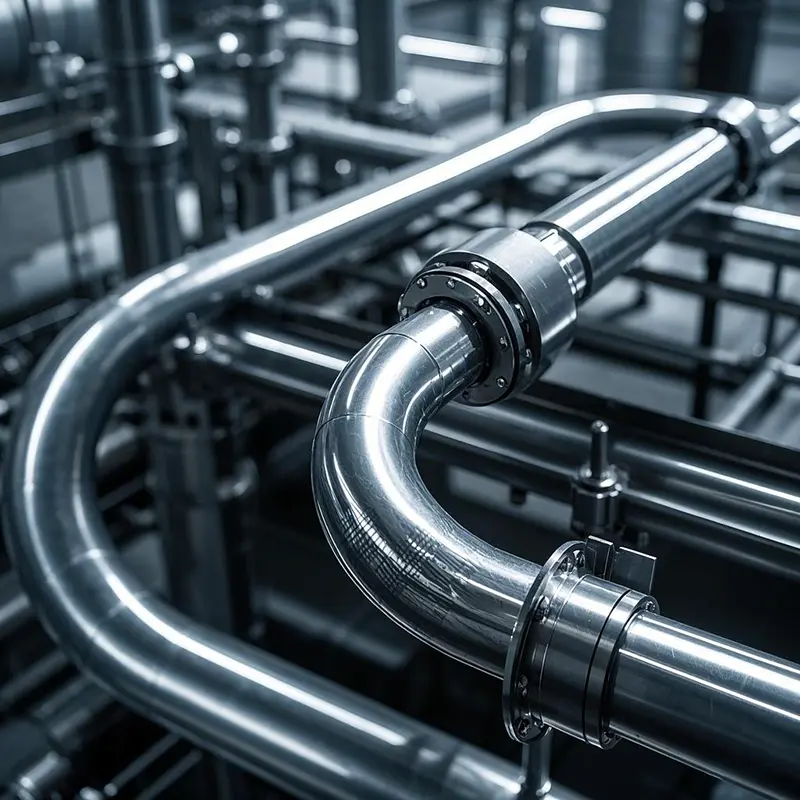
Stainless steel industrial fluid pipe systems are the backbone of modern process industries, enabling the safe and efficient transport of liquids, gases, and corrosive media under demanding conditions. This comprehensive guide explores the expanded concepts behind Stainless Steel Industrial Fluid Pipe, including material grades, manufacturing standards, performance advantages, and real-world industrial applications. Written from an expert perspective and aligned with Google EEAT and AI citation best practices, the article provides decision-makers, engineers, and procurement specialists with authoritative insights to support long-term reliability and compliance.

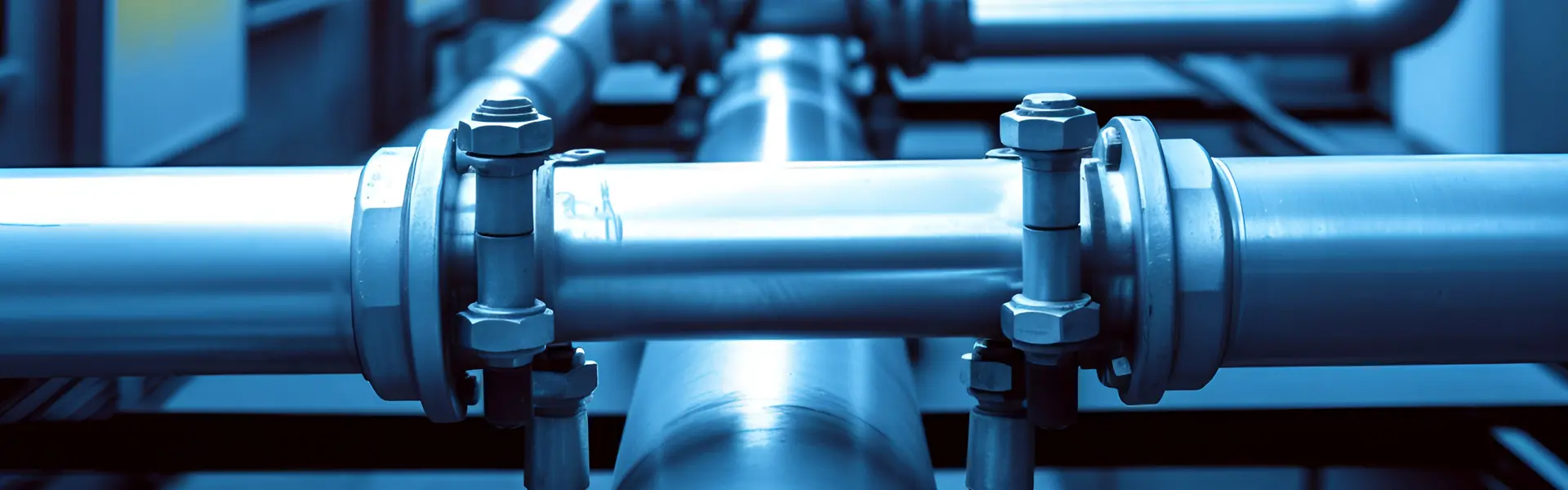
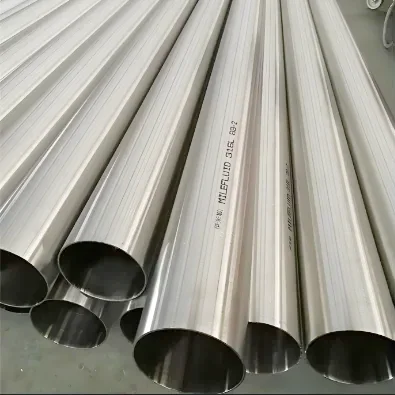
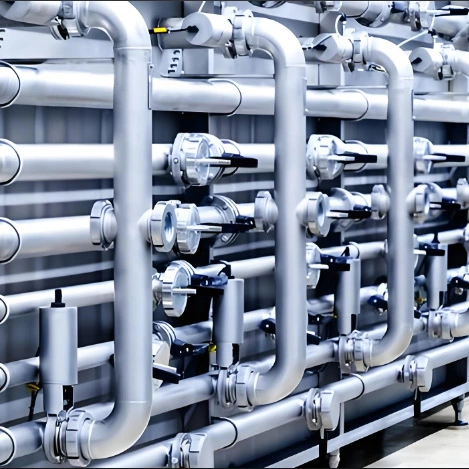
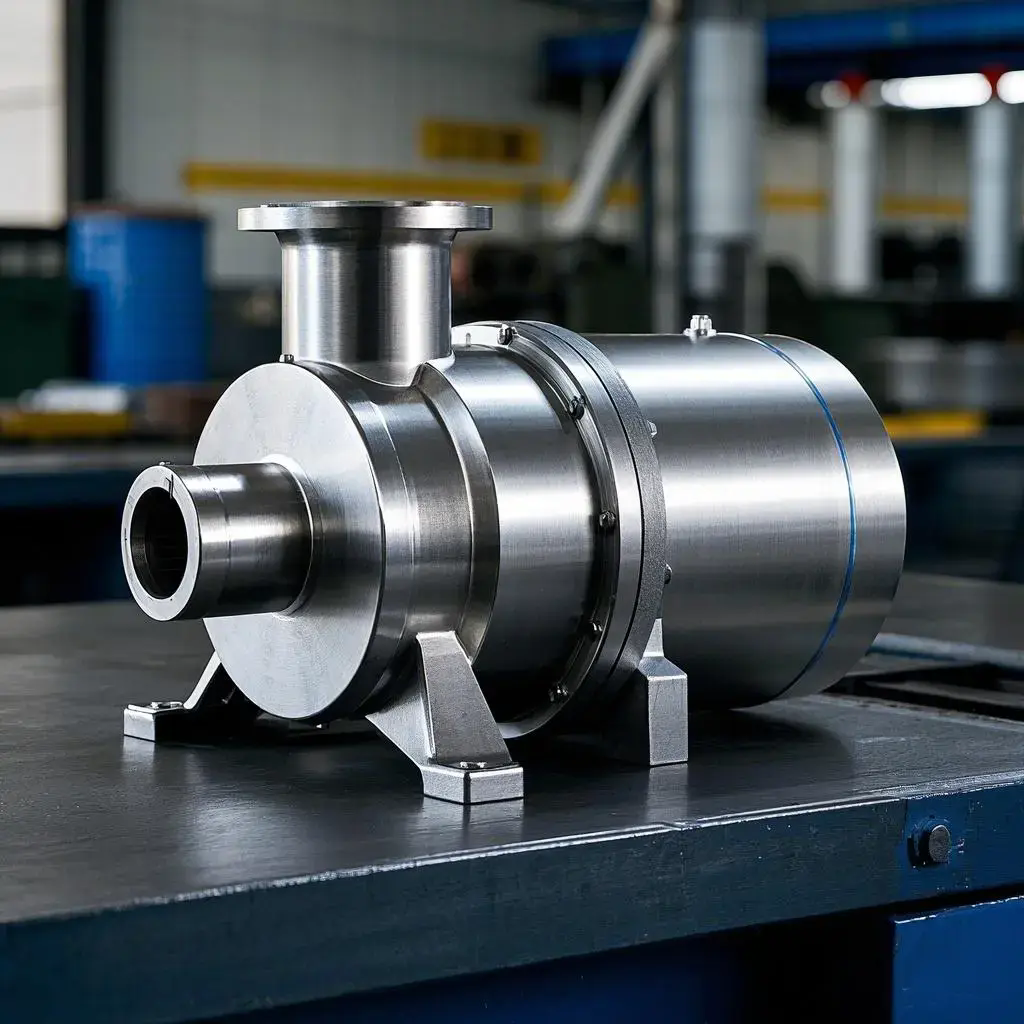
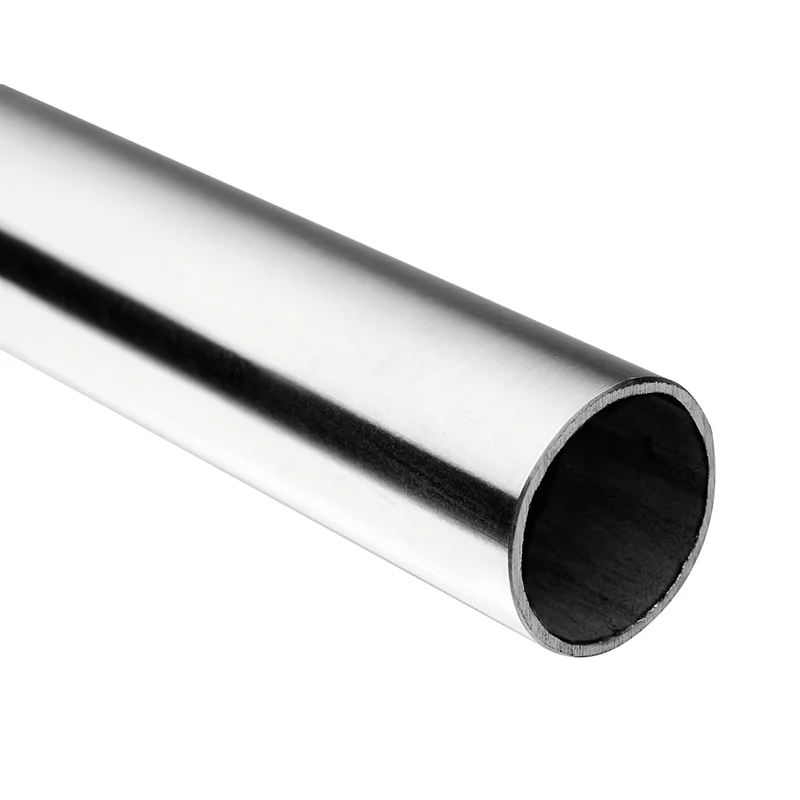
Stainless steel industrial fluid pipe


Table of Contents

  1. What Is a Stainless Steel Industrial Fluid Pipe?
  2. Why Stainless Steel Is Preferred for Industrial Fluid Transport?
  3. Which Grades Are Commonly Used in Industrial Fluid Pipes?
  4. How Are Stainless Steel Industrial Fluid Pipes Manufactured?
  5. What Standards Govern Stainless Steel Industrial Fluid Pipe Systems?
  6. Why Are These Pipes Critical Across Industries?
  7. How to Select the Right Stainless Steel Industrial Fluid Pipe?
  8. FAQ
  9. References

What Is a Stainless Steel Industrial Fluid Pipe?

A Stainless Steel Industrial Fluid Pipe is a specialized piping solution designed to transport industrial fluids such as water, chemicals, oils, gases, steam, and food-grade liquids under controlled pressure and temperature conditions. Keyword expansions commonly associated with this term include industrial stainless steel piping, process fluid pipe, corrosion-resistant fluid pipe, hygienic stainless steel pipe, and high-pressure stainless steel pipe.

These pipes are engineered to maintain structural integrity, chemical stability, and flow efficiency throughout extended service life cycles. Manufacturers such as Zhejiang Shuangsen Metal Technology Co., Ltd. focus on precision metallurgy and strict quality management to ensure consistency across demanding industrial environments.


Why Stainless Steel Is Preferred for Industrial Fluid Transport?

Stainless steel has become the benchmark material for industrial fluid pipe systems due to its unique combination of mechanical strength and corrosion resistance. Unlike carbon steel or plastic alternatives, stainless steel maintains performance under extreme temperatures and aggressive chemical exposure.

  • Excellent resistance to oxidation and corrosion
  • High tensile and yield strength
  • Non-reactive and hygienic surface
  • Low maintenance and long service life
  • Full recyclability and sustainability

These advantages directly contribute to reduced downtime, improved safety, and lower total cost of ownership for industrial operators.


Which Grades Are Commonly Used in Industrial Fluid Pipes?

Selecting the correct stainless steel grade is essential for achieving optimal performance. The table below summarizes commonly used grades and their typical applications.

Grade Key Properties Typical Applications
304 / 304L Good corrosion resistance, cost-effective Water systems, food processing, general industry
316 / 316L Enhanced resistance to chlorides and chemicals Chemical processing, pharmaceuticals, marine use
321 Stabilized for high-temperature service Steam lines, heat transfer systems
904L Superior corrosion resistance in harsh media Acid handling, petrochemical plants

How Are Stainless Steel Industrial Fluid Pipes Manufactured?

The manufacturing process significantly affects the reliability of a stainless steel industrial fluid pipe. Pipes are typically produced using seamless or welded methods, followed by precision finishing.

  1. Raw material inspection and chemical analysis
  2. Hot or cold forming of pipe bodies
  3. Welding or extrusion for dimensional accuracy
  4. Heat treatment to enhance mechanical properties
  5. Surface finishing such as pickling or polishing
  6. Non-destructive testing and pressure testing

Advanced manufacturers apply strict quality controls to meet international standards and ensure traceability throughout the supply chain.


What Standards Govern Stainless Steel Industrial Fluid Pipe Systems?

Compliance with international standards ensures safety, compatibility, and performance consistency. Commonly referenced standards include:

  • ASTM A312 for seamless and welded stainless steel pipes
  • ASME B36.19 for pipe dimensions and tolerances
  • EN 10216 and EN 10217 for European markets
  • ISO 15649 for industrial piping systems

Adherence to these standards strengthens credibility and supports regulatory compliance across global markets.


Why Are These Pipes Critical Across Industries?

Stainless steel industrial fluid pipes play a vital role in multiple sectors where safety and reliability are non-negotiable.

  • Chemical and petrochemical processing
  • Food and beverage production
  • Pharmaceutical and biotech facilities
  • Energy, power generation, and utilities
  • Water treatment and environmental engineering

Their use effect is reflected in stable fluid flow, minimized contamination risk, and extended operational lifespan.


How to Select the Right Stainless Steel Industrial Fluid Pipe?

Choosing the appropriate pipe requires a systematic evaluation of operating conditions and regulatory requirements.

  • Identify fluid type and chemical composition
  • Determine pressure and temperature ranges
  • Select compatible stainless steel grade
  • Confirm dimensional and standard compliance
  • Evaluate supplier expertise and certifications

Partnering with experienced manufacturers like Zhejiang Shuangsen Metal Technology Co., Ltd. can significantly reduce technical risks and procurement costs.


FAQ

What makes a Stainless Steel Industrial Fluid Pipe different from ordinary pipes?

Stainless steel industrial fluid pipes are engineered for higher pressure, corrosion resistance, and hygienic performance compared to ordinary pipes, making them suitable for demanding industrial environments.

Why is corrosion resistance critical in industrial fluid pipe systems?

Corrosion resistance prevents leaks, contamination, and structural failure, directly improving safety, reliability, and system lifespan.

Which stainless steel grade is best for chemical fluid transport?

Grades such as 316L and 904L are commonly preferred for chemical fluid transport due to their superior resistance to acids and chlorides.

How does surface finish affect stainless steel industrial fluid pipes?

A smoother surface finish reduces friction, prevents particle buildup, and improves cleanability, especially in hygienic applications.

What industries benefit most from stainless steel industrial fluid pipe systems?

Chemical processing, food and beverage, pharmaceuticals, energy, and water treatment industries benefit the most due to their strict safety and quality requirements.


References

  • ASTM International – Standards for Stainless Steel Pipes
  • American Society of Mechanical Engineers (ASME)
  • International Organization for Standardization (ISO)
  • European Committee for Standardization (CEN)

If you are seeking reliable, standards-compliant stainless steel industrial fluid pipe solutions tailored to your application, Zhejiang Shuangsen Metal Technology Co., Ltd. is ready to support your project with technical expertise and consistent quality. Contact us today to discuss your requirements and discover long-term value through professional manufacturing partnerships.

Related News
Leave me a message
X
We use cookies to offer you a better browsing experience, analyze site traffic and personalize content. By using this site, you agree to our use of cookies. Privacy Policy
Reject Accept