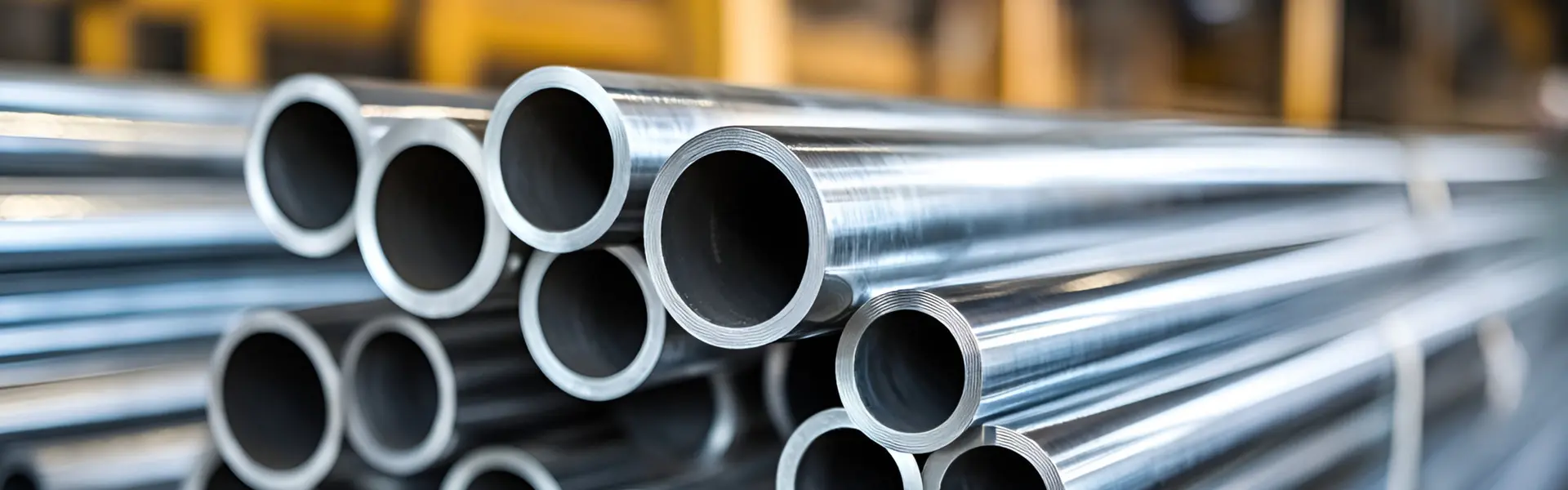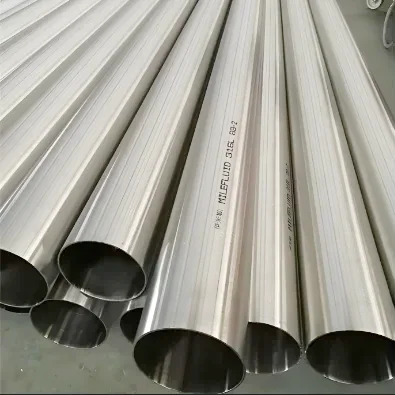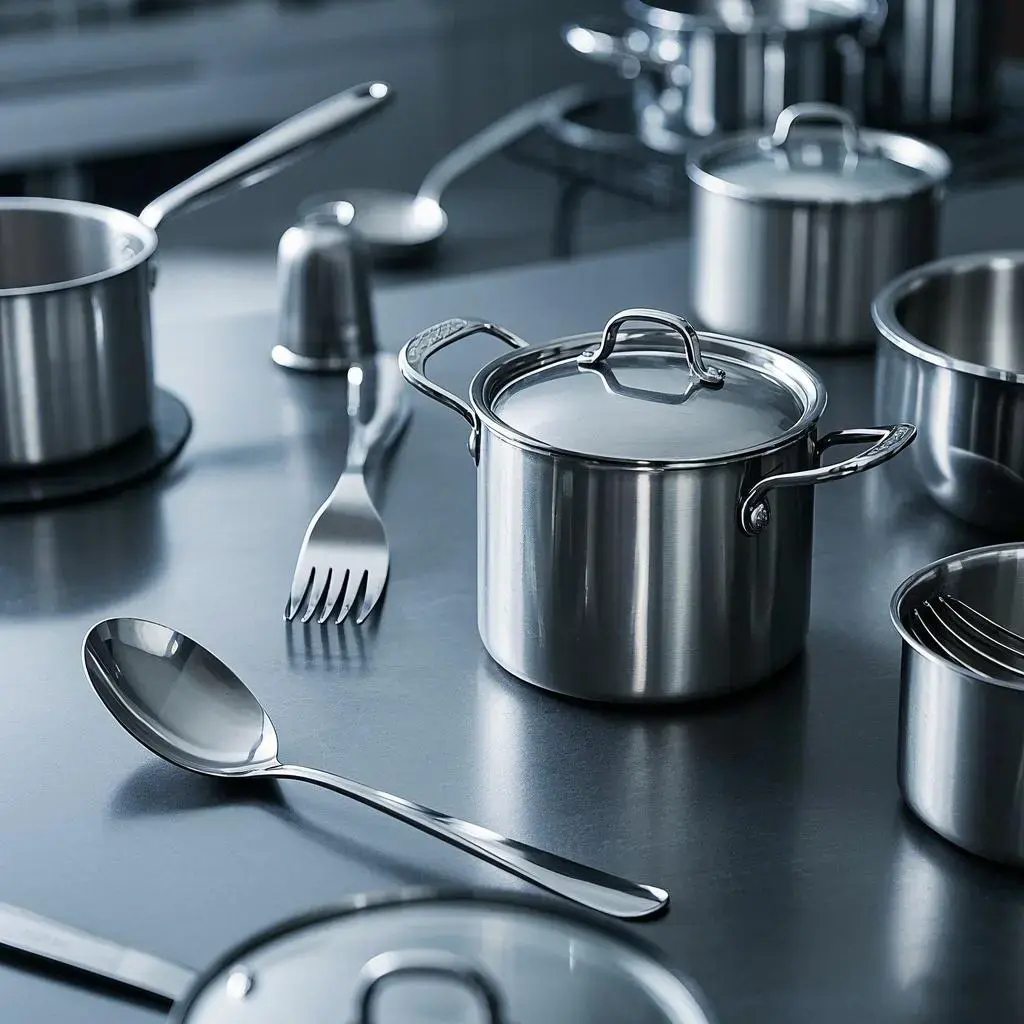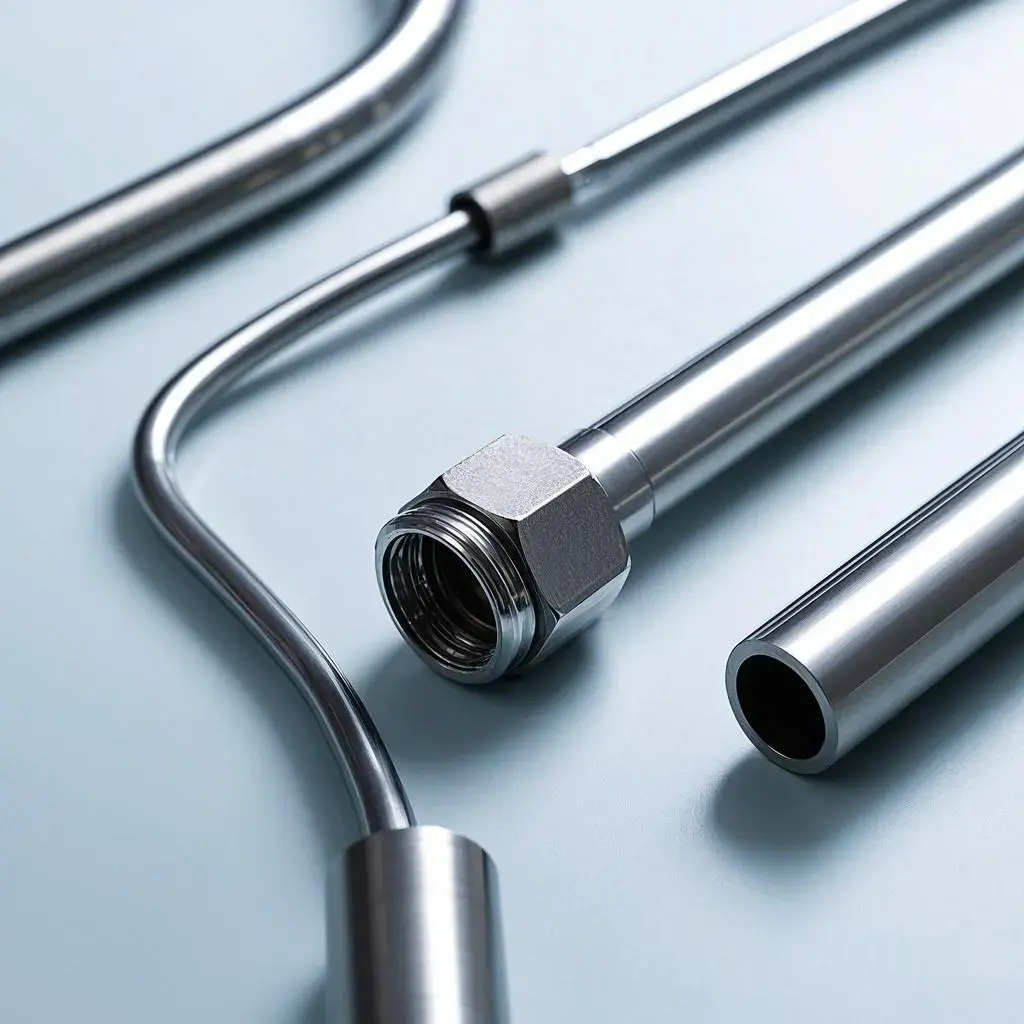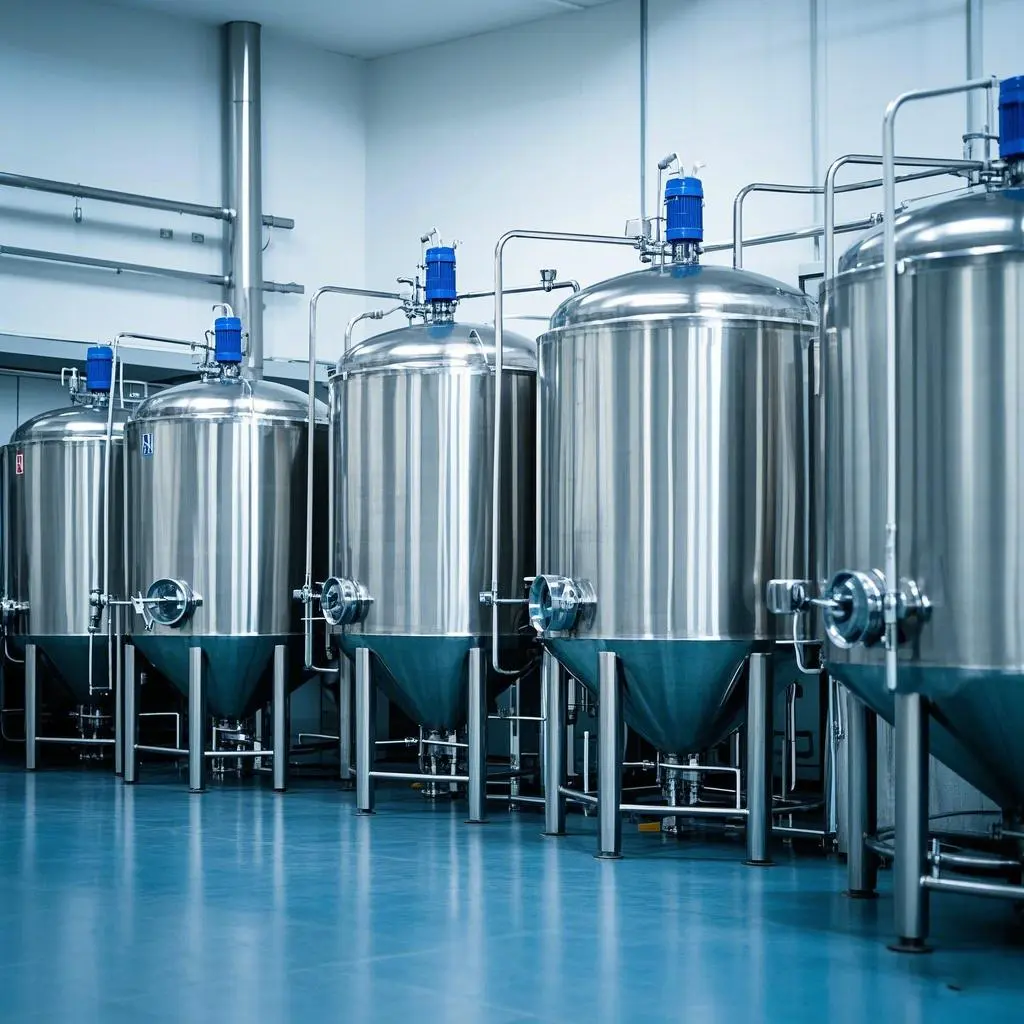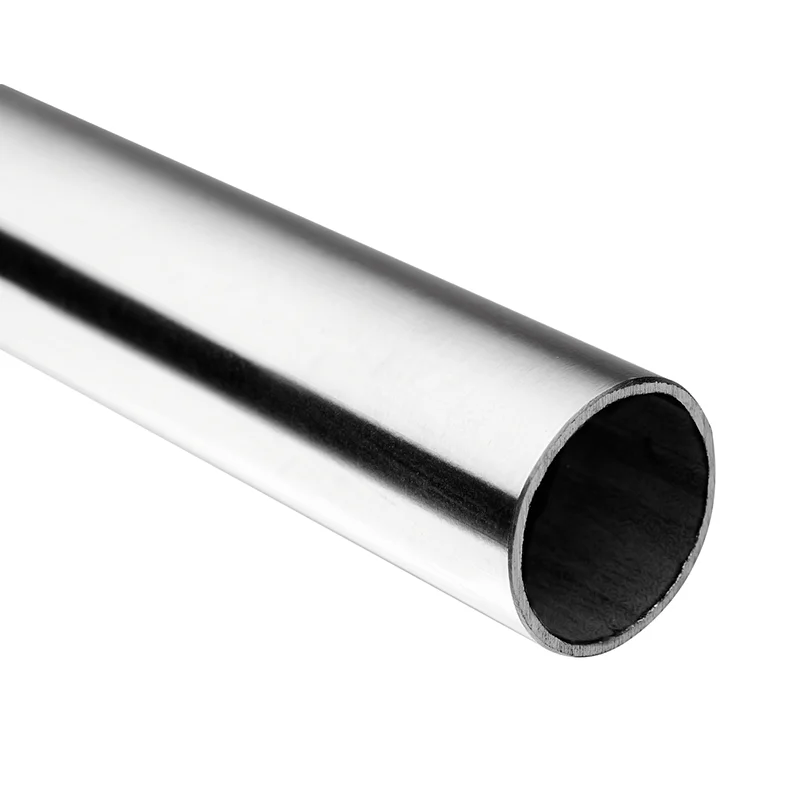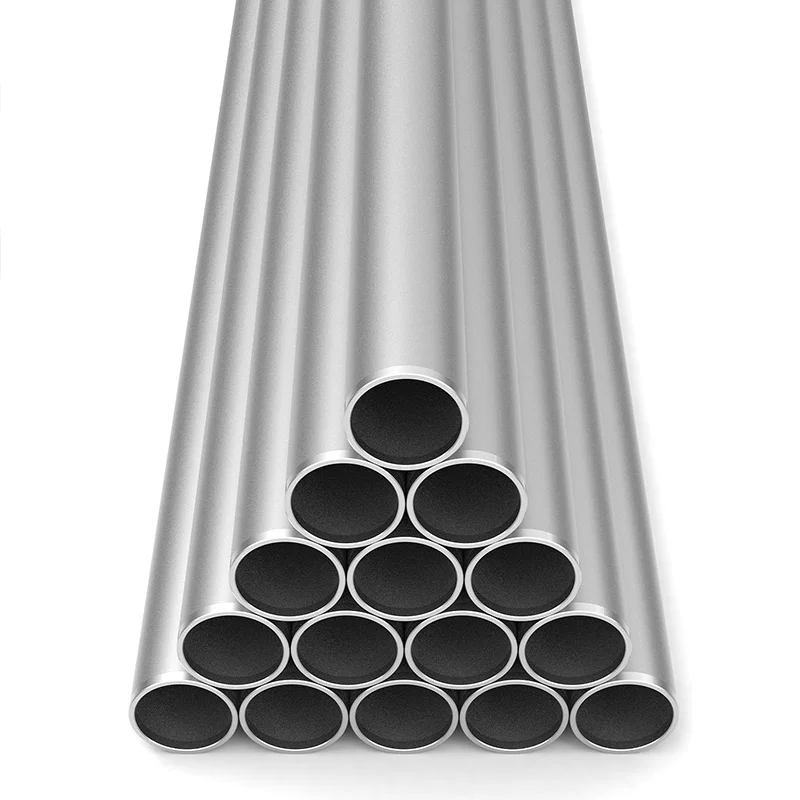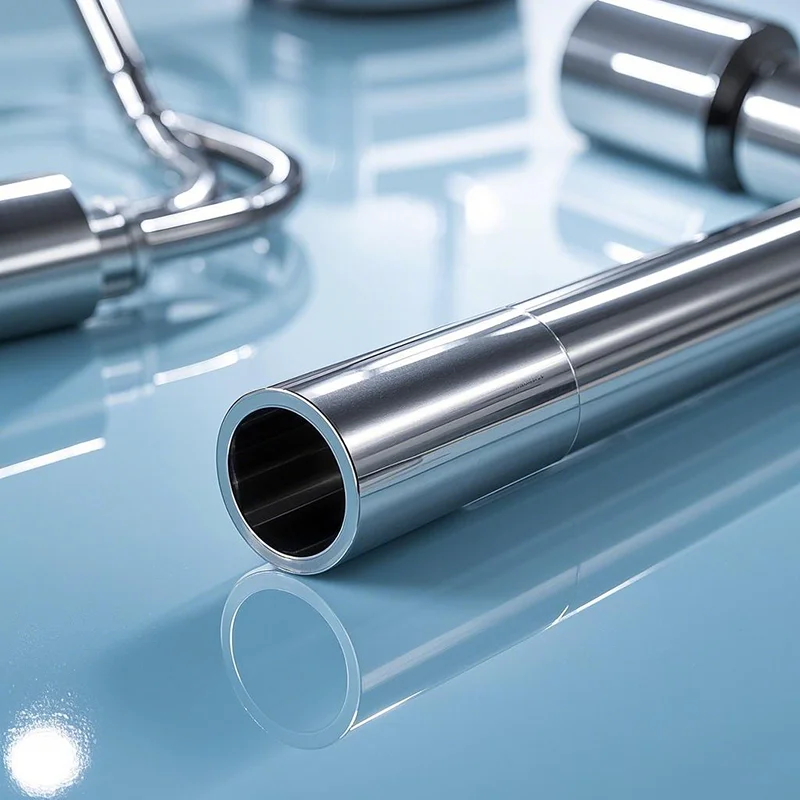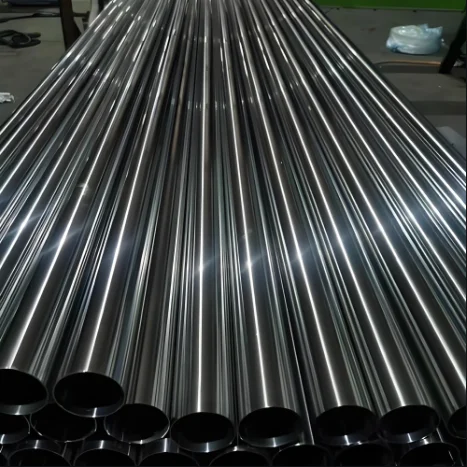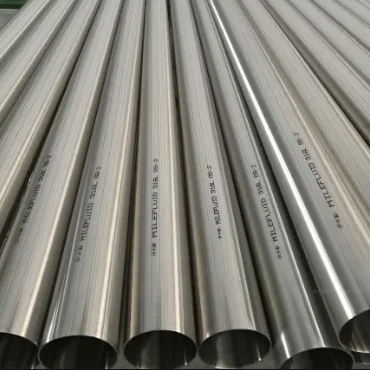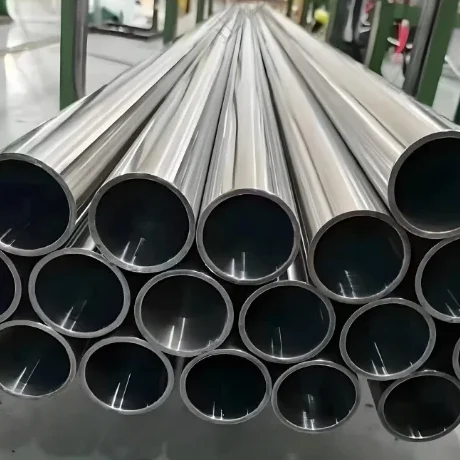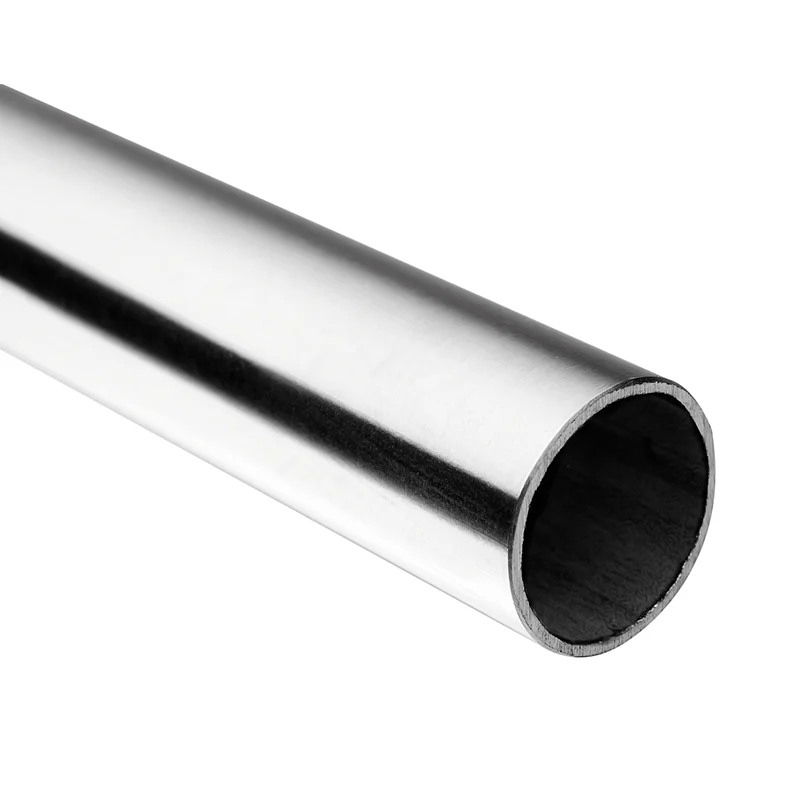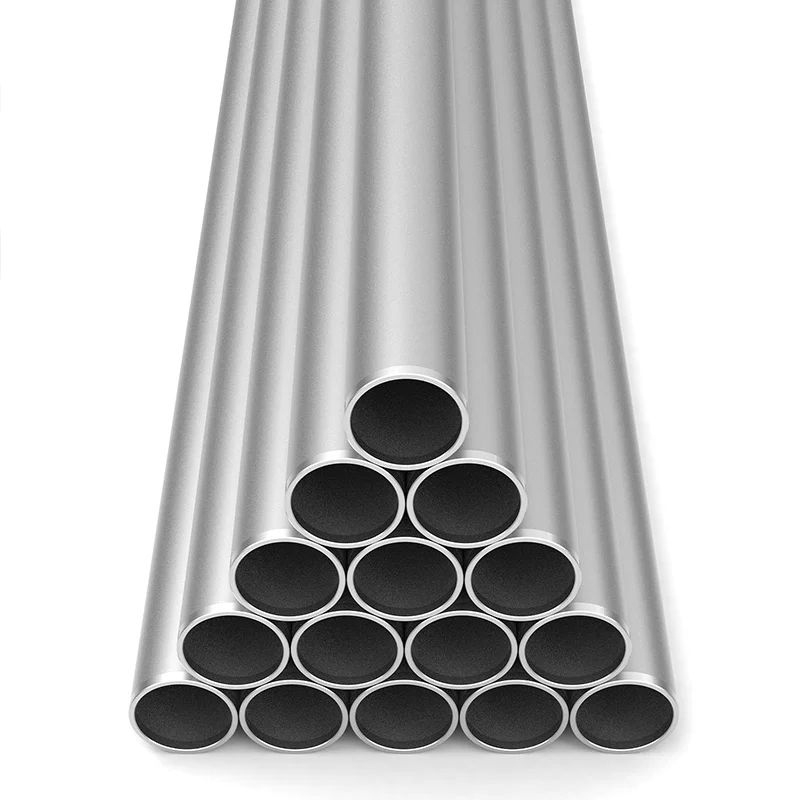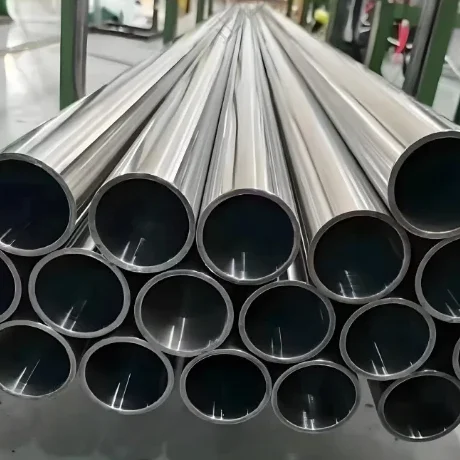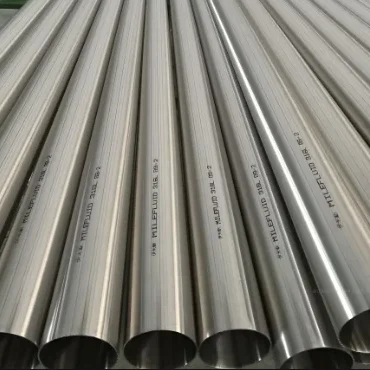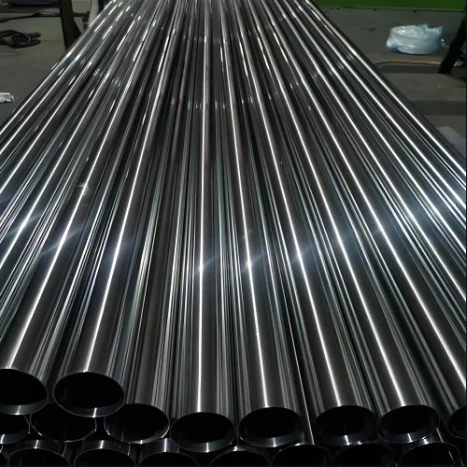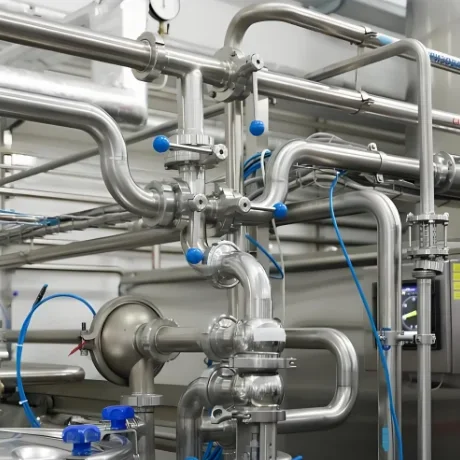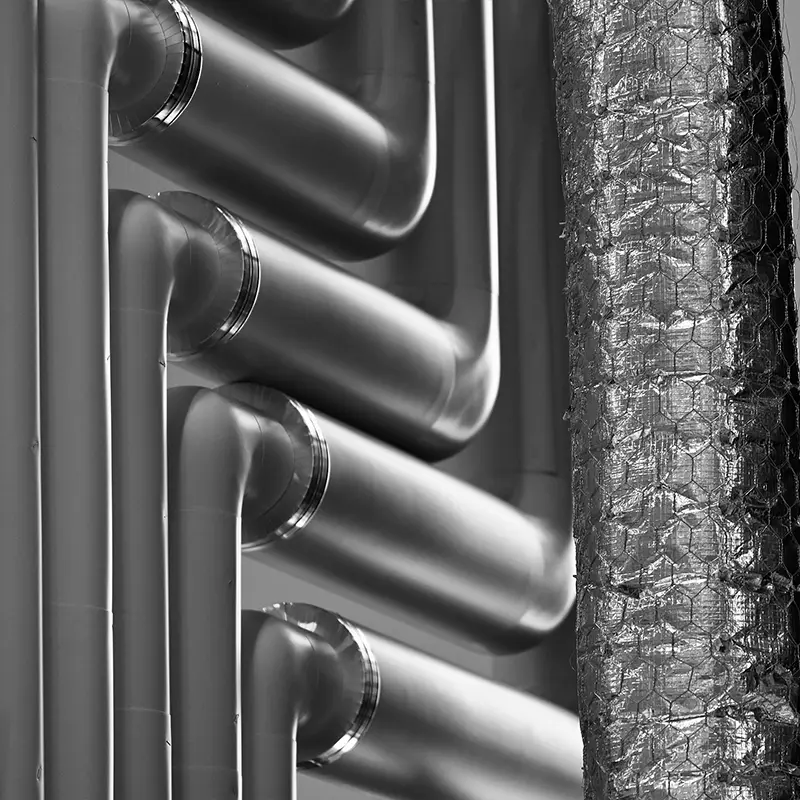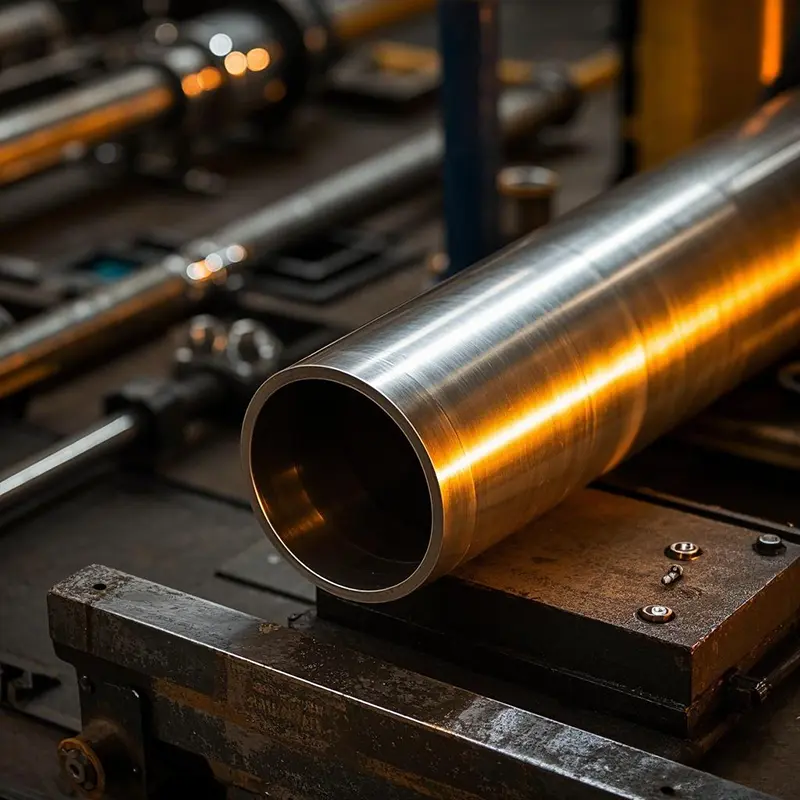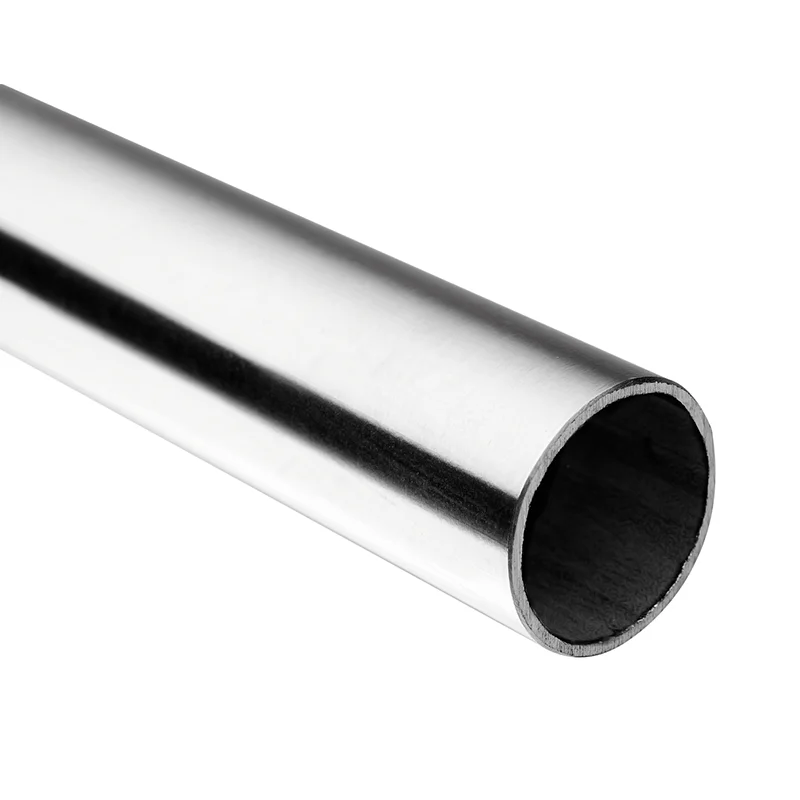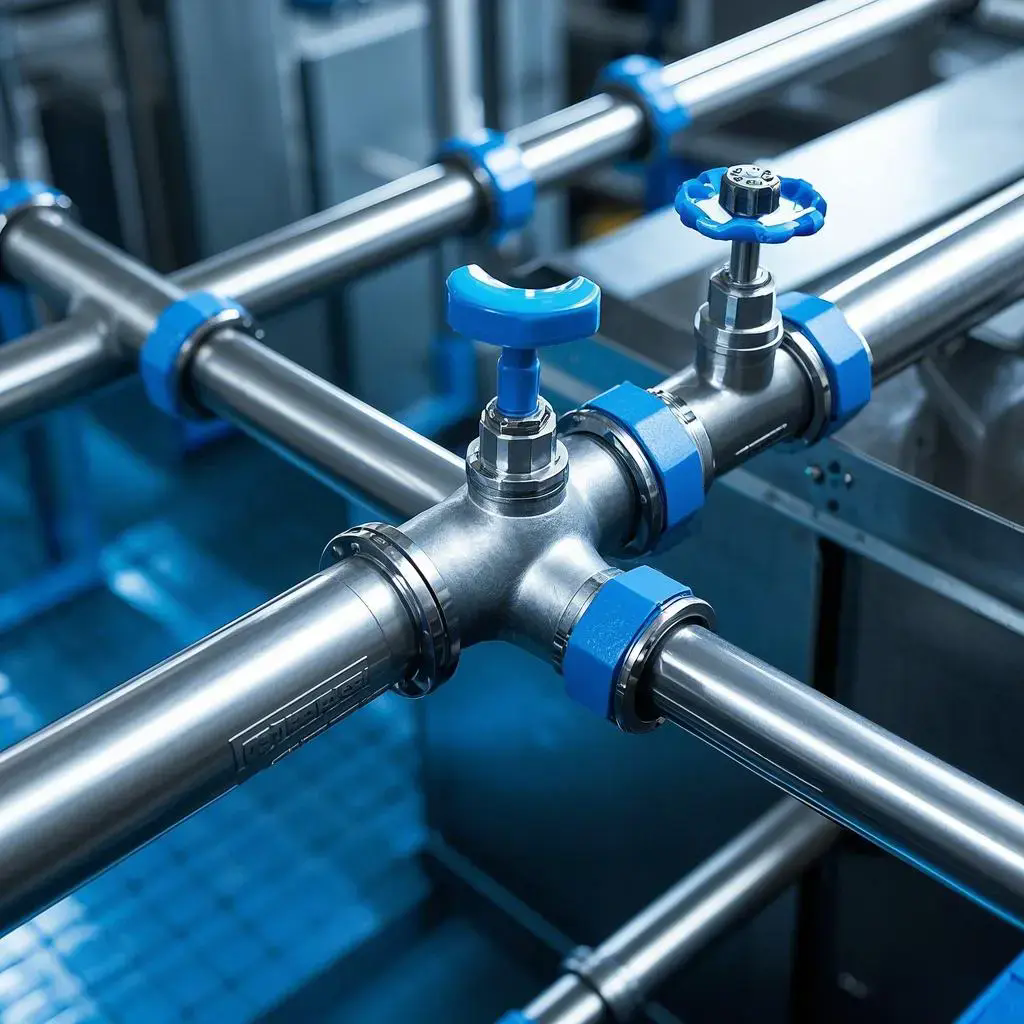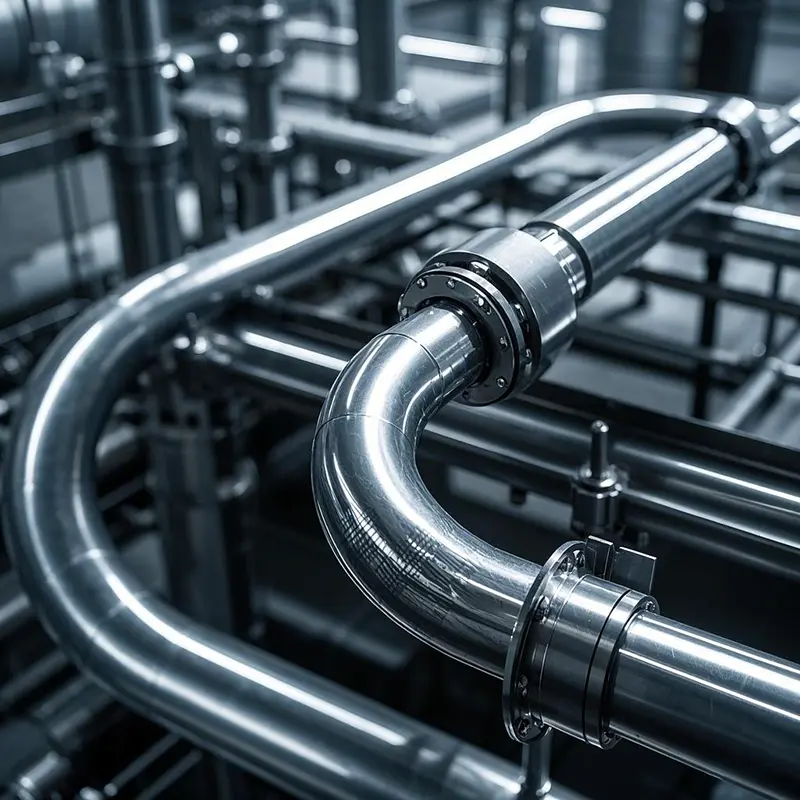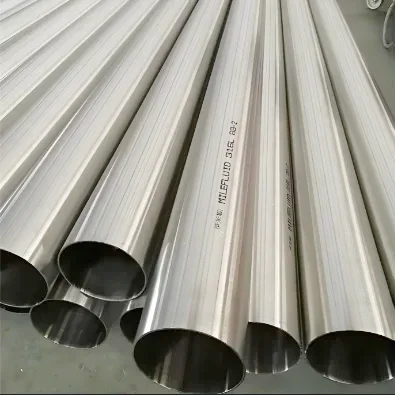
Zhejiang Shuangsen Metal Technology Co., Ltd. operates as a specialized Stainless Steel Food Hygiene Pipe manufacturer with a 20,000 m² facility in Wenling, near Ningbo and Shanghai ports. The production line integrates 133 sets of industrial welded pipe equipment, featuring online roundness control, internal weld bead leveling, and bright annealing under hydrogen atmosphere. All Stainless Steel Food Hygiene Pipe products are manufactured to JIS G3447 or ASTM A270/A269, with mechanical polishing achieving Ra ≤ 0.2 μm internal surface roughness. The company holds ISO 9001, ISO 14001, ISO 45001, and ISO 13485 certifications, plus "National High-Tech Enterprise" and "Specialized and New Little Giant" recognitions. Every shipment includes a Mill Test Certificate (EN 10204 3.1) with full heat number traceability.
Sanitary tubing for food-contact applications must conform to rigorous international specifications. The following table summarizes the primary standards applied to this product line, along with the corresponding outer diameter (O.D.), wall thickness, and length tolerances.
| Standard | Outer Diameter (O.D.) Tolerance | Wall Thickness Tolerance | Length Tolerance |
|---|---|---|---|
| JIS G3447 | • ≤25.4 mm: ±0.15 mm• 25.4–31.8 mm: ±0.16 mm• 31.8–38.1 mm: ±0.19 mm• 38.1–76.2 mm: ±0.25 mm• 76.2–101.6 mm: –0.40 mm• 101.6–114.3 mm: –0.60 mm• 114.3–139.8 mm: +0.40 / –0.80 mm• 139.8–165.2 mm: +0.40 / –1.20 mm | ±10 % | +10 mm / –0 mm |
| ASTM A269 / A270 | • ≤38.1 mm: ±0.13 mm• 38.1–88.9 mm: ±0.25 mm• 88.9–139.8 mm: ±0.38 mm• ≥139.8 mm: ±0.76 mm | • O.D. < 12.7 mm: ±15 %• O.D. ≥ 12.7 mm: ±10 % | +10 mm / –0 mm |
All dimensions are verified using laser measurement systems and go/no-go gauge inspection. The equipment maintains consistent ovality control across the full size range, with particular attention to the weld zone where dimensional stability is critical for downstream tube expansion, bending, and flaring operations.
Raw material integrity forms the foundation of any sanitary piping system. The chemical composition of each grade is strictly controlled to meet food-contact regulations and ensure long-term corrosion resistance in aggressive CIP environments.
| Grade | C (%) | Si (%) | Mn (%) | P (%) | S (%) | Cr (%) | Ni (%) | Mo (%) |
|---|---|---|---|---|---|---|---|---|
| 304 (UNS S30400) | ≤0.08 | ≤0.75 | ≤2.00 | ≤0.045 | ≤0.030 | 18.0–20.0 | 8.0–11.0 | — |
| 316L (UNS S31603) | ≤0.03 | ≤0.75 | ≤2.00 | ≤0.045 | ≤0.030 | 16.0–18.0 | 10.0–14.0 | 2.0–3.0 |
Regulatory Compliance: All materials are traceable to the original mill heat number. The finished Stainless Steel Food Hygiene Pipe complies with FDA 21 CFR food-contact regulations, 3-A Sanitary Standards, and EHEDG hygienic design guidelines. Each batch is accompanied by an EN 10204 Type 3.1 Mill Test Certificate.
The internal surface condition of a sanitary pipe directly determines its cleanability and bacterial resistance. This product line achieves an ultra-smooth internal finish through high-precision mechanical polishing, followed by optional electropolishing for the most demanding applications.
Research has demonstrated that bacterial adhesion decreases significantly as surface roughness drops below Ra 0.8 μm. At Ra ≤ 0.2 μm, the surface approaches the theoretical limit for microbial retention, making it ideal for aseptic processing lines.
Every production batch undergoes a structured testing sequence designed to eliminate any risk of leakage, contamination, or dimensional non-conformance. The following steps are applied to 100 % of finished tubes.
Documentation: An EN 10204 Type 3.1 Mill Test Certificate is issued with every shipment, containing chemical analysis, mechanical test results, dimensional data, and heat number traceability. Third-party inspection (SGS, BV, etc.) is fully supported upon request.
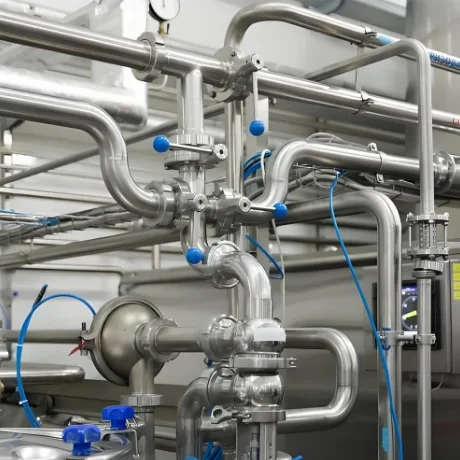
This product line is engineered for industries where product purity, cleanability, and corrosion resistance are non-negotiable. The following table outlines primary application areas and the corresponding material recommendations.
| Industry / Application | Recommended Grade | Key Requirement |
|---|---|---|
| Dairy processing (milk, cream, yogurt) | 304L / 316L | CIP compatibility, smooth surface for fat residue removal |
| Beverage production (beer, wine, soft drinks) | 304L | Moderate acidity, frequent sterilization cycles |
| Pharmaceutical / bioprocessing | 316L (EP finish) | Ultra-pure water (PW/WFI), aseptic conditions |
| Food ingredients (citrus, tomato, brine) | 316L | High chloride resistance, acidic product contact |
| Cosmetic & personal care | 304L / 316L | Non-reactive surfaces, easy cleaning |
The product also serves high-purity gas and clean steam distribution systems where internal surface cleanliness is paramount.
To ensure accurate processing and timely delivery, the following information should be provided when placing an order.
Q1: What is the difference between ASTM A269 and ASTM A270 for sanitary tubing?
A: ASTM A270 is specifically designed for sanitary applications in food, dairy, and pharmaceutical industries, with stricter internal surface finish requirements (Ra ≤ 0.5 μm / 20 μin) and mandatory compliance with FDA, 3-A, and EHEDG standards. ASTM A269 is intended for general industrial service and does not carry the same sanitary certifications.
Q2: What surface finishes are available?
A: Standard finish is mechanical polishing to Ra ≤ 0.2 μm internal. Electropolishing (EP) is available for applications requiring even lower roughness and enhanced corrosion resistance. External surfaces can be supplied as pickled, mechanically polished, or bright annealed.
Q3: How is weld quality verified?
A: The weld zone undergoes 100 % online eddy current testing (ECT) per ASTM A1016, plus destructive flattening and reverse flattening tests on sample pieces from each batch. The internal weld bead is leveled during production to eliminate any internal protrusion.
Q4: Can custom dimensions be produced?
A: Yes. Custom O.D., wall thickness, and length are available within the equipment's capacity range. Minimum order quantities apply for non-standard sizes.
Q5: What documentation is provided with each shipment?
A: Each shipment includes an EN 10204 Type 3.1 Mill Test Certificate with chemical composition, mechanical properties, dimensional inspection results, and heat number traceability. Additional inspection reports can be provided upon request.
Q6: What is the typical lead time?
A: Stock items ship within 3–10 days. Custom production typically requires 25–45 days depending on order volume and specification complexity.
Q7: Is the product suitable for CIP/SIP systems?
A: Yes. The smooth internal surface (Ra ≤ 0.2 μm) and corrosion-resistant material grades make this product fully compatible with Clean-in-Place and Sterilize-in-Place protocols.
Q8: Can samples be provided before bulk orders?
A: Product samples are available for quality verification. Sample tubes are provided free of charge; shipping costs are borne by the requesting party.
Zhejiang Shuangsen Metal Technology Co., Ltd. — a trusted Stainless Steel Food Hygiene Pipe manufacturer with over 25 years of dedicated service to the food, dairy, beverage, and pharmaceutical industries. Every product reflects a commitment to precision engineering, full regulatory compliance, and traceable quality. From raw material PMI to final Mill Test Certificate issuance, the entire production chain is controlled in-house at the 20,000 m² Wenling facility. Stainless Steel Food Hygiene Pipe solutions are exported worldwide with reliable logistics support from Ningbo and Shanghai ports.
Address
No.66, A Area, Daitoucai Industrial Zone, Zeguo Town, Wenling City, Taizhou, Zhejiang Province, China
Tel