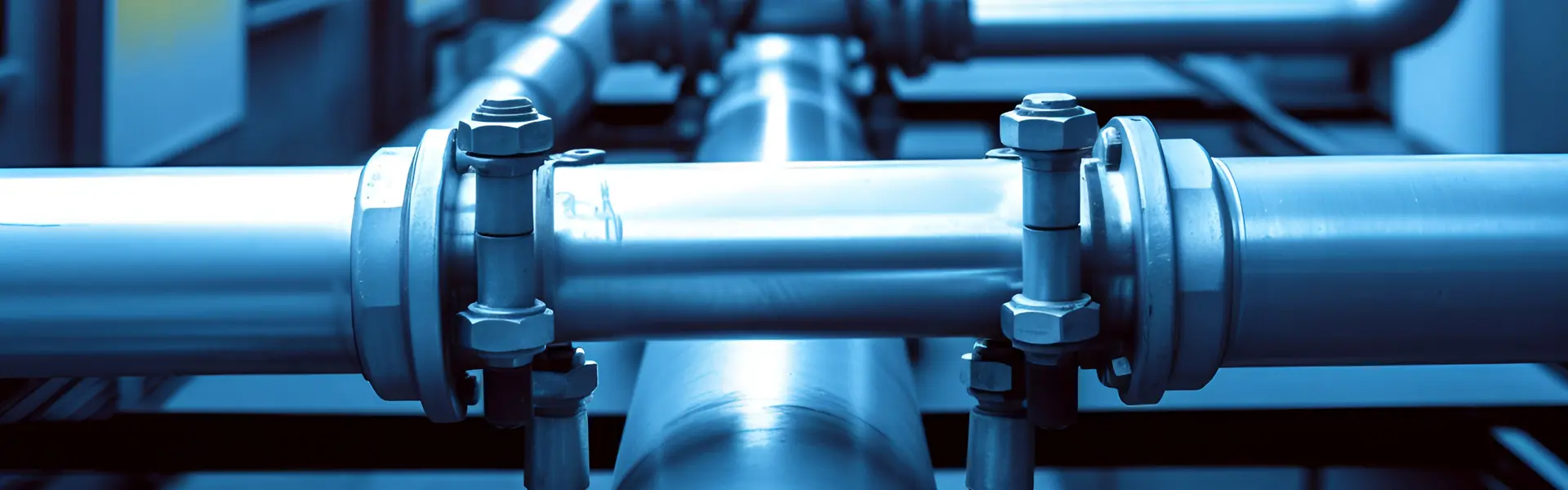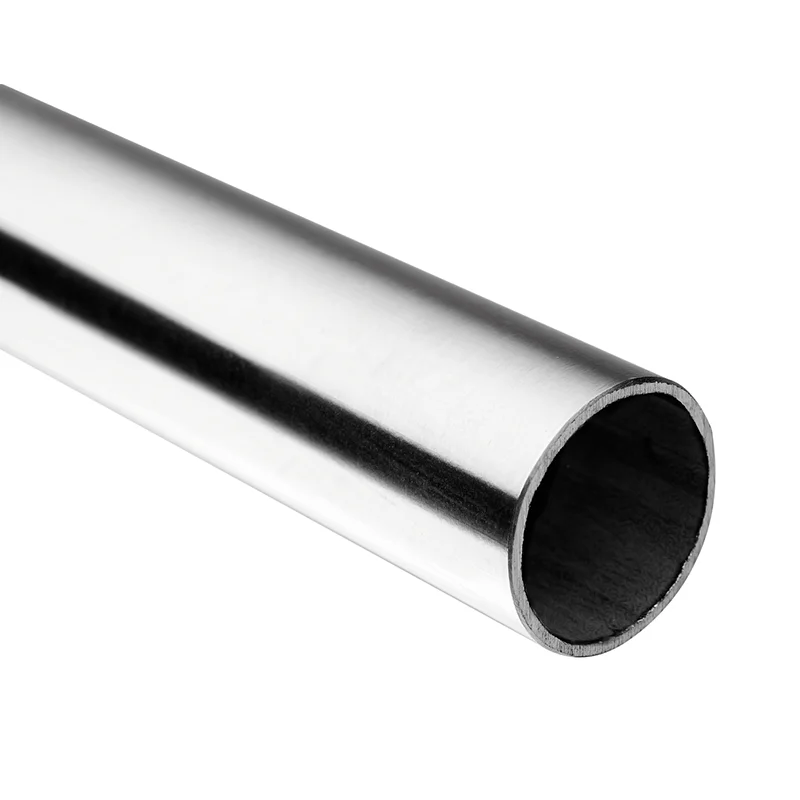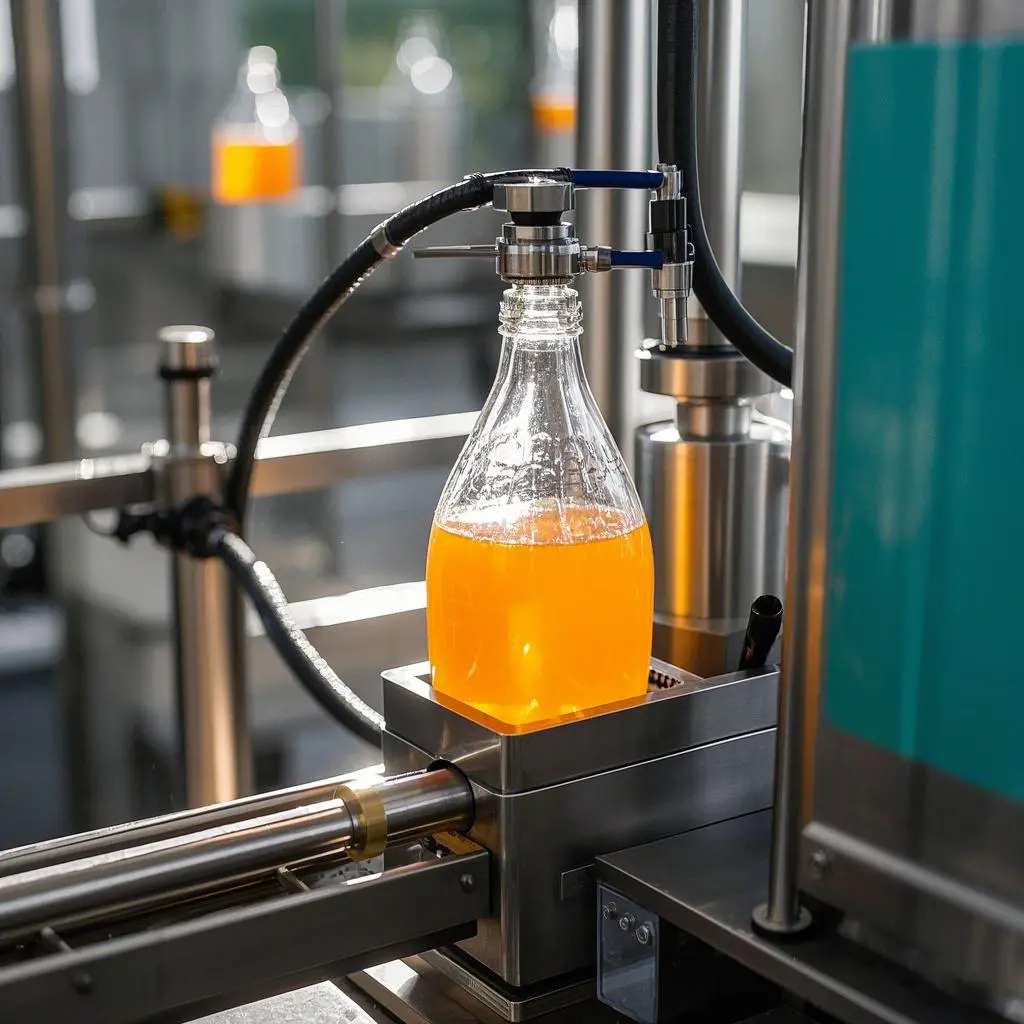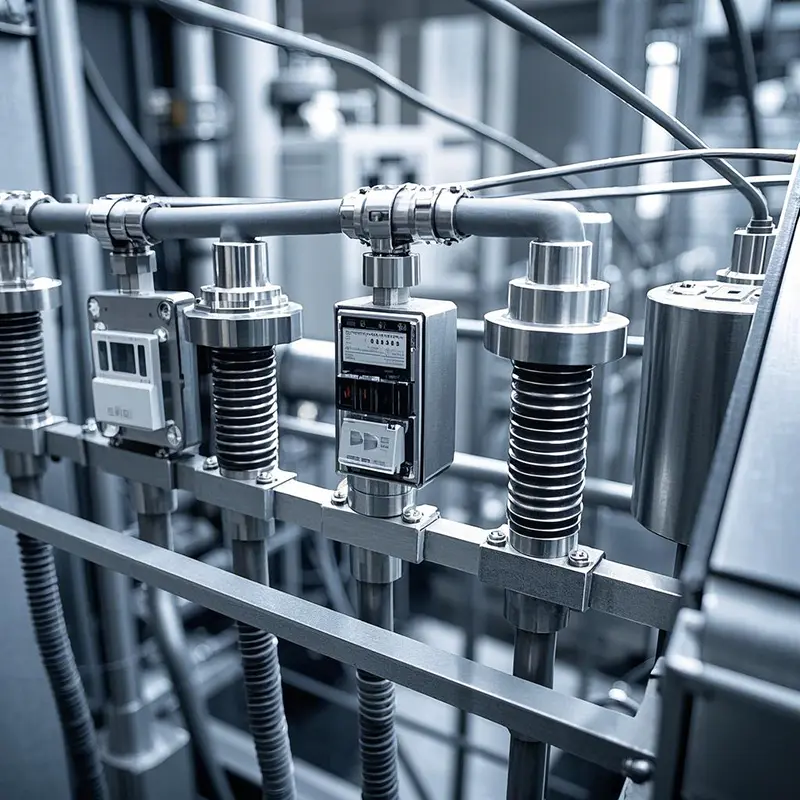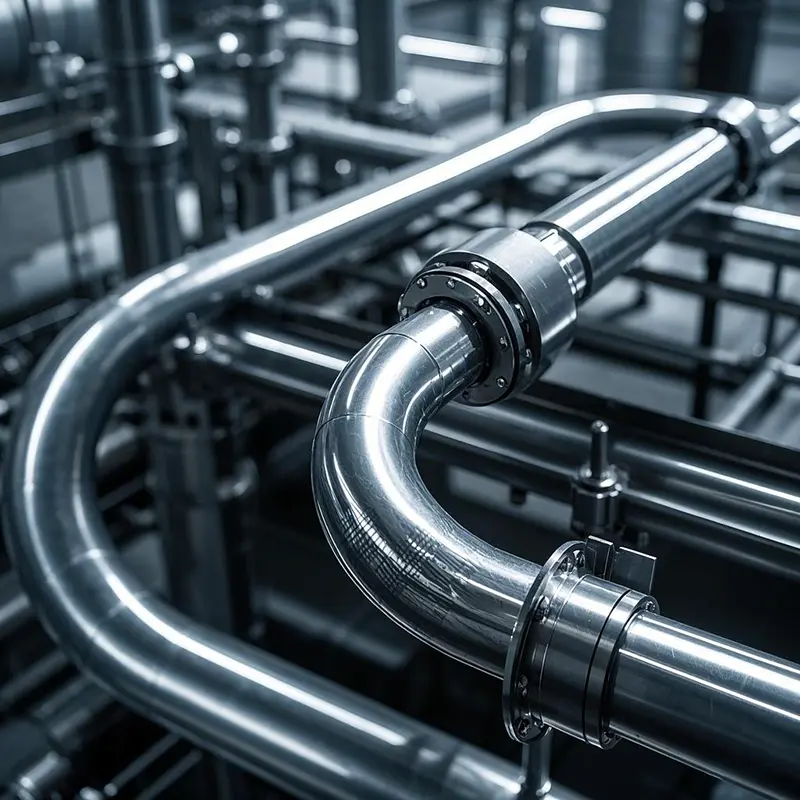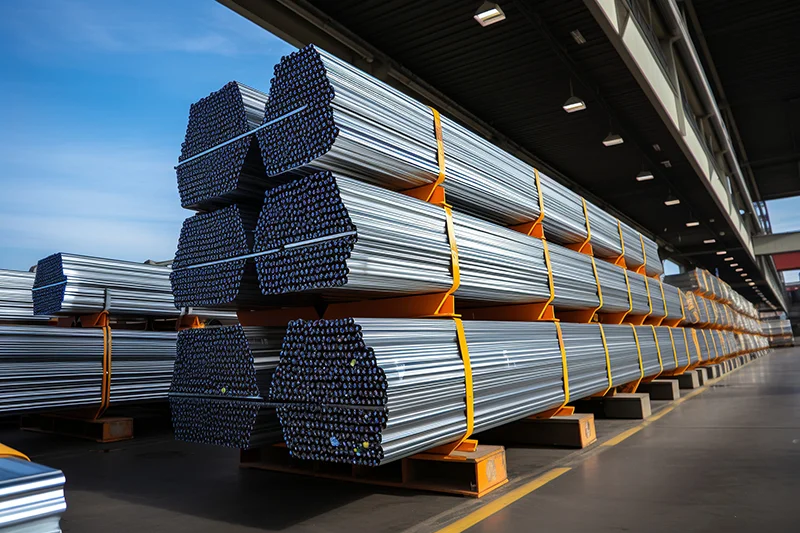
Stainless Steel Food Hygiene Pipe is a critical infrastructure component used across food, beverage, dairy, pharmaceutical, and biotechnology industries where hygiene, safety, and regulatory compliance are non-negotiable. These pipes are specifically engineered to transport liquids, semi-liquids, gases, and cleaning media without contaminating the product or compromising process integrity.
In food and beverage processing systems, piping is not merely a transport medium; it is an integral part of product safety management. Stainless Steel Food Hygiene Pipes are designed to support cleanability, corrosion resistance, pressure stability, and long service life under repeated sanitation cycles.
Food hygiene pipes are typically manufactured from austenitic stainless steels, most commonly AISI 304, 304L, 316, and 316L. These materials are selected due to their stable chromium oxide passive layer, which provides resistance to oxidation, pitting, and chemical corrosion. For applications involving acidic products, chlorides, or aggressive cleaning agents, 316L is often specified due to its molybdenum content and lower carbon level.
The chemical composition is tightly controlled to ensure uniform grain structure and consistent mechanical behavior. This is essential for preventing micro-cracks, stress corrosion, or metal ion migration that could compromise food safety.
Surface roughness is one of the most critical performance indicators for Stainless Steel Food Hygiene Pipe. Internal surface finishes are engineered to minimize bacterial adhesion and residue buildup. Typical finishes include:
Pickled and passivated (Ra ≤ 0.8 μm)
Mechanically polished (Ra ≤ 0.6 μm)
Electropolished (Ra ≤ 0.4 μm)
A smoother internal surface reduces clean-in-place (CIP) time, lowers chemical consumption, and improves sanitation reliability. In high-risk food applications, electropolished pipes are preferred due to their enhanced corrosion resistance and reduced surface energy.
Food hygiene pipes must maintain strict dimensional tolerances to ensure compatibility with hygienic fittings, valves, and automated welding systems. Ovality, wall thickness consistency, and straightness directly affect sealing performance and pressure resistance.
Below is a representative overview of common technical parameters used in food-grade piping systems:
| Parameter | Typical Specification Range |
|---|---|
| Outer Diameter | 12.7 mm – 219 mm |
| Wall Thickness | 1.0 mm – 3.0 mm |
| Material Grades | 304 / 304L / 316 / 316L |
| Surface Roughness (Ra) | 0.4 – 0.8 μm |
| Manufacturing Method | Seamless / Welded (Orbital Weld Compatible) |
| Standards Compliance | ASTM A270, EN 10357, DIN 11850 |
| Operating Temperature | -20°C to 180°C |
| Pressure Rating | Application-dependent, typically up to 25 bar |
These parameters ensure that Stainless Steel Food Hygiene Pipes can withstand thermal cycling, pressure fluctuations, and frequent cleaning without deformation or degradation.
The application scope of Stainless Steel Food Hygiene Pipes extends beyond simple fluid transport. Their design enables integration into complex processing architectures where contamination control, automation, and traceability are essential.
In dairy production, pipes transport raw milk, pasteurized milk, cream, whey, and cleaning solutions. Any surface imperfection can become a microbial growth point, making hygienic piping indispensable. Beverage systems, including juice, beer, wine, and bottled water production, rely on stainless steel hygiene pipes to maintain flavor neutrality and prevent oxygen ingress.
In facilities producing syrups, oils, flavorings, or nutritional supplements, hygiene pipes must handle varying viscosities and temperatures. Stainless steel provides a non-reactive transport path, ensuring that ingredients retain their chemical stability and sensory characteristics.
Many food-grade piping systems overlap with pharmaceutical-grade environments, especially in nutraceutical and functional food production. Stainless Steel Food Hygiene Pipes are used where sterile or near-sterile conditions are required, supporting validation protocols and documentation standards.
One of the defining applications of these pipes is their compatibility with CIP and SIP operations. High-temperature water, steam, and chemical detergents circulate through the piping network to remove residues and microorganisms. The pipes must tolerate repeated exposure without surface degradation or dimensional distortion.
Selecting the appropriate Stainless Steel Food Hygiene Pipe requires a systematic evaluation process that aligns technical performance with regulatory expectations and operational realities.
Food hygiene pipes are often required to comply with international and regional standards, including FDA, EU food contact regulations, and 3-A Sanitary Standards. Compliance documentation typically includes material certificates, surface finish reports, and dimensional inspection records.
Traceability is increasingly important, with heat numbers and batch records allowing end users to track material origin and production history.
Quality evaluation extends beyond raw material selection. Manufacturing processes such as cold drawing, laser welding, and solution annealing influence the final pipe performance. Post-production treatments, including pickling, passivation, and polishing, further enhance corrosion resistance and hygienic properties.
Inspection methods may include:
Visual and dimensional inspection
Eddy current or ultrasonic testing
Surface roughness measurement
Pressure and leak testing
These controls ensure consistency across production batches and reduce the risk of system failures during operation.
Beyond initial installation, Stainless Steel Food Hygiene Pipes are assessed based on lifecycle performance. Factors such as ease of maintenance, resistance to scaling, and adaptability to system modifications influence total cost of ownership.
Pipes designed for orbital welding and standardized fittings simplify installation and reduce downtime during expansion or reconfiguration of processing lines.
Q: How is a Stainless Steel Food Hygiene Pipe different from standard industrial stainless steel pipe?
A: Food hygiene pipes are manufactured with stricter material controls, smoother internal surface finishes, and tighter dimensional tolerances. These characteristics are essential for preventing contamination, supporting CIP/SIP processes, and meeting food-contact regulatory requirements, which standard industrial pipes are not designed to address.
Q: How should Stainless Steel Food Hygiene Pipes be maintained to ensure long-term performance?
A: Proper maintenance includes regular CIP cycles using compatible cleaning agents, avoidance of chloride-rich environments where possible, periodic inspection of weld seams, and re-passivation if surface damage occurs. When maintained correctly, these pipes offer decades of reliable service in food-grade systems.
As food safety standards continue to evolve, Stainless Steel Food Hygiene Pipes remain a foundational element in hygienic processing systems. Their role in ensuring clean transport, regulatory compliance, and operational stability makes them indispensable across food, beverage, and related industries. Manufacturers with deep technical expertise and consistent quality control contribute significantly to system reliability and long-term value.
Shuangsen Pipes has established itself as a specialized supplier of Stainless Steel Food Hygiene Pipe solutions, focusing on material integrity, precision manufacturing, and compliance with international food-grade standards. For project consultation, technical specifications, or application guidance tailored to specific processing environments, interested parties are encouraged to contact us to discuss requirements and explore suitable piping solutions.