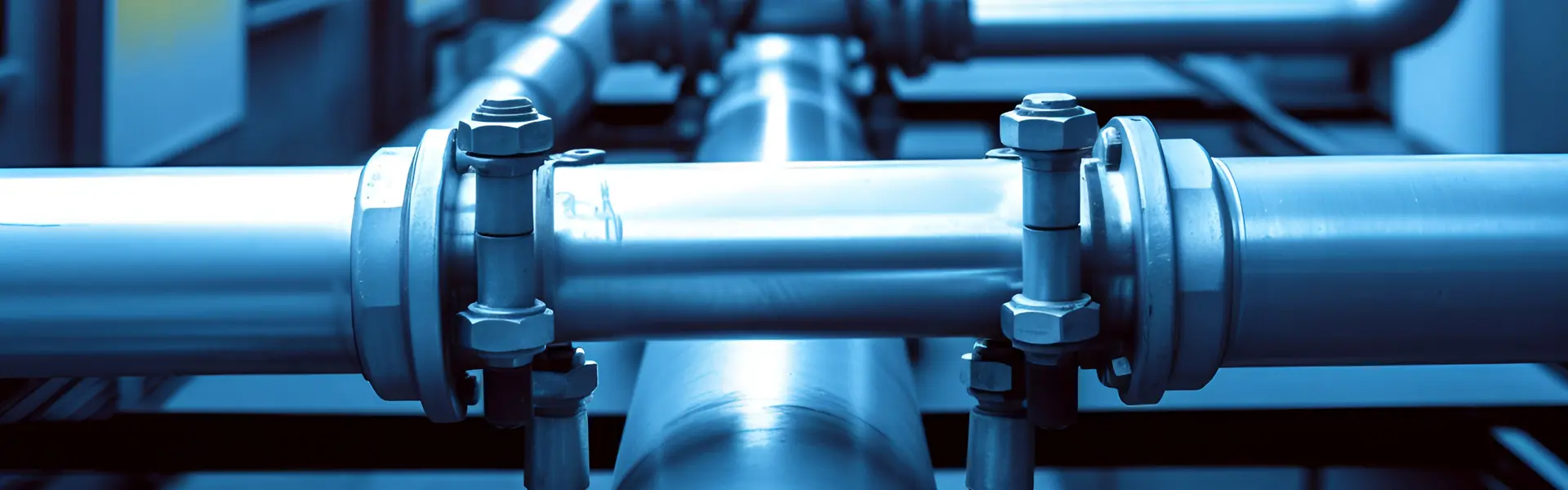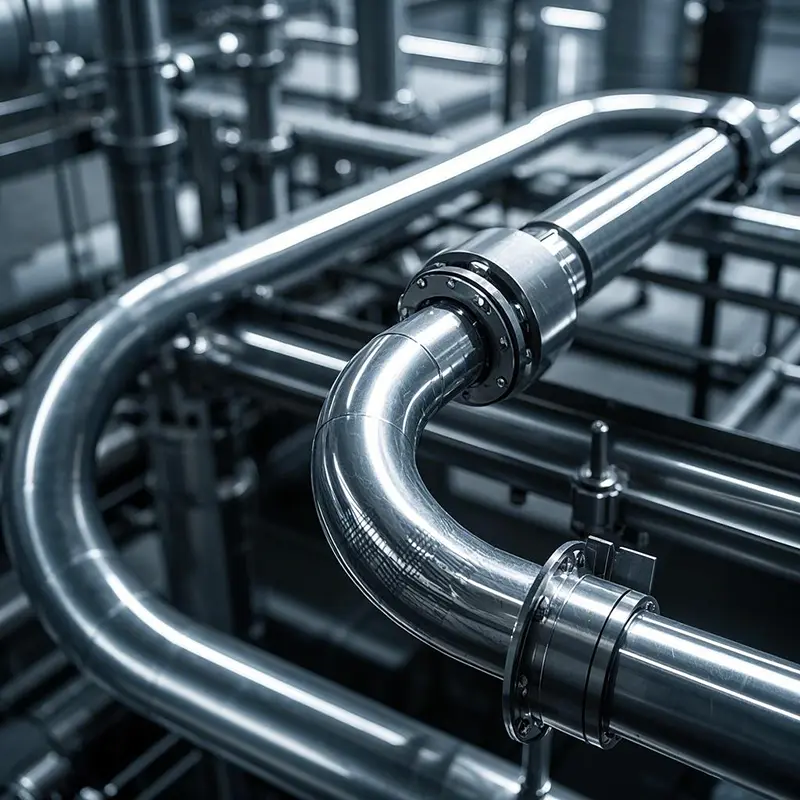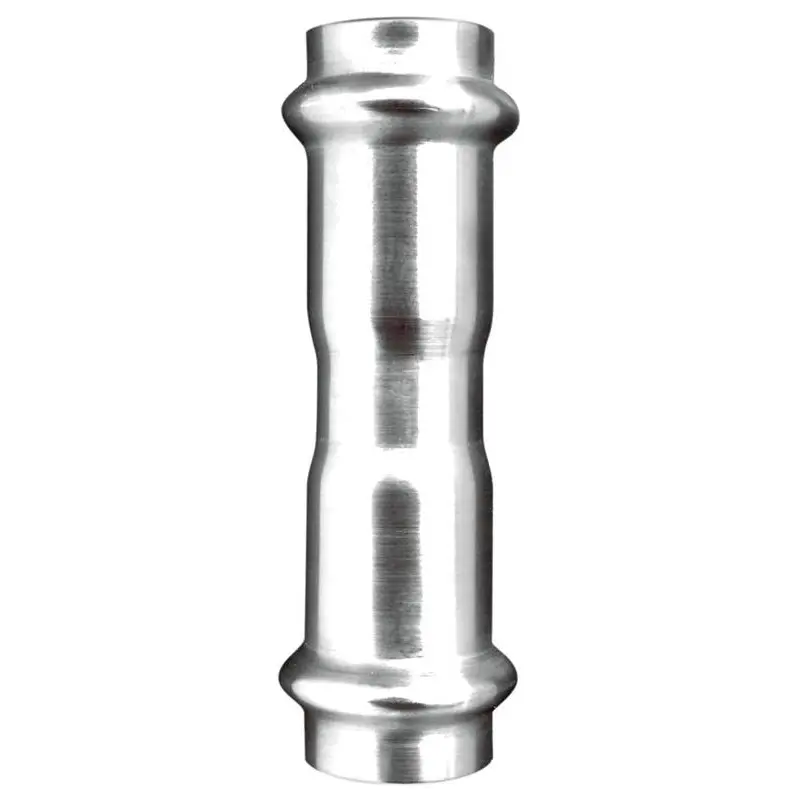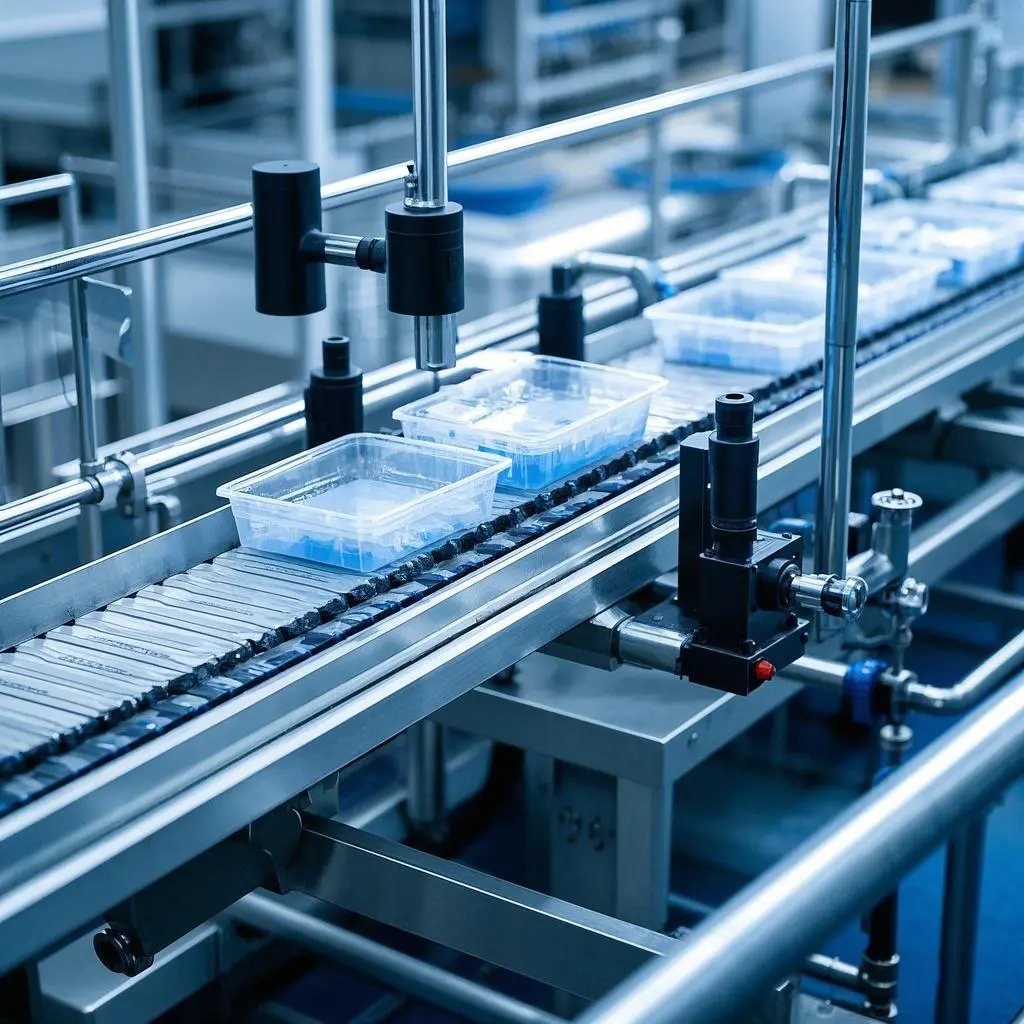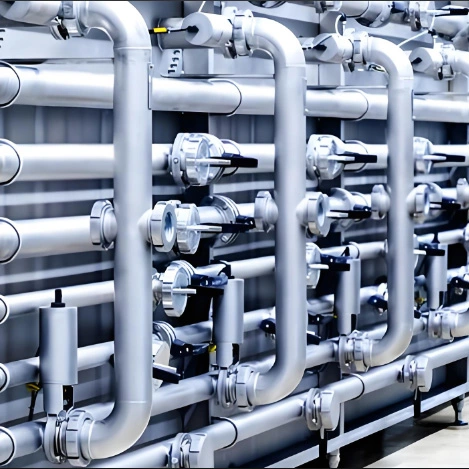
Stainless Steel Electronic Clean Pipe is a high-grade hygienic piping solution designed for industries where sanitation, corrosion-resistance, and precision fluid control are critical. It is widely used in electronics manufacturing, pharmaceutical production, food processing, biotechnology, and ultra-pure water systems.
The product’s structural design features seamless stainless steel tubing, polished interior surfaces, and electronic-grade purity control. It minimizes particle shedding, metal ion precipitation, and microbial residue. With high temperature resistance, chemical stability, and long-term durability, Stainless Steel Electronic Clean Pipe ensures strict compliance with cleanliness levels required in cleanrooms and advanced manufacturing lines.
Below is a technical parameter overview to demonstrate system-level professionalism:
| Parameter Category | Specification |
|---|---|
| Material Grade | SUS304 / SUS316L high-purity stainless steel |
| Surface Roughness (Inner) | ≤0.4 μm Ra polished finish |
| Wall Thickness | 0.8–3.0 mm depending on system requirement |
| Operating Pressure | 0.6–1.6 MPa standard; customizable up to 2.5 MPa |
| Temperature Range | -40°C to 300°C |
| Purity Level | Electronic grade; low carbon; minimal ion precipitation |
| Production Standard | Conforms to DIN, ASTM, and pharmaceutical sanitary standards |
| Joint Type | Orbital welding, clamp connections, clean plumbing fittings |
| Application Fields | Electronics, semiconductor, pharmaceutical, food, medical fluid systems |
| Corrosion Resistance | Superior protection against acids, alkalis, and cleaning agents |
The real value of Stainless Steel Electronic Clean Pipe comes from its ability to handle sensitive fluids without compromising purity or system integrity. Clean manufacturing requires materials that prevent contamination and maintain stable chemical properties over long service periods. This piping system addresses these issues with several core capabilities.
High-Purity Surface Treatment
The ultra-smooth inner wall finish reduces turbulence and minimizes areas where particles or microbes can accumulate. This feature significantly lowers cleaning time and contamination risk.
Corrosion-Resistant Alloy
The use of SUS316L stainless steel with low-carbon content enhances resistance to chemical cleaning agents, acids, solvents, and high-temperature steam sterilization.
Particle Control and Ion Suppression
The pipe releases extremely low levels of metal ions, ensuring purity in semiconductor and pharmaceutical processes. By preventing microscopic contamination, it supports consistent quality in precision manufacturing.
Leak-Proof Welding Options
Orbital welding creates uniform, high-strength joints suitable for cleanrooms and electronic-grade fluid distribution. It avoids human welding inconsistencies and ensures long-term system stability.
Compatibility with Clean-Processing Protocols
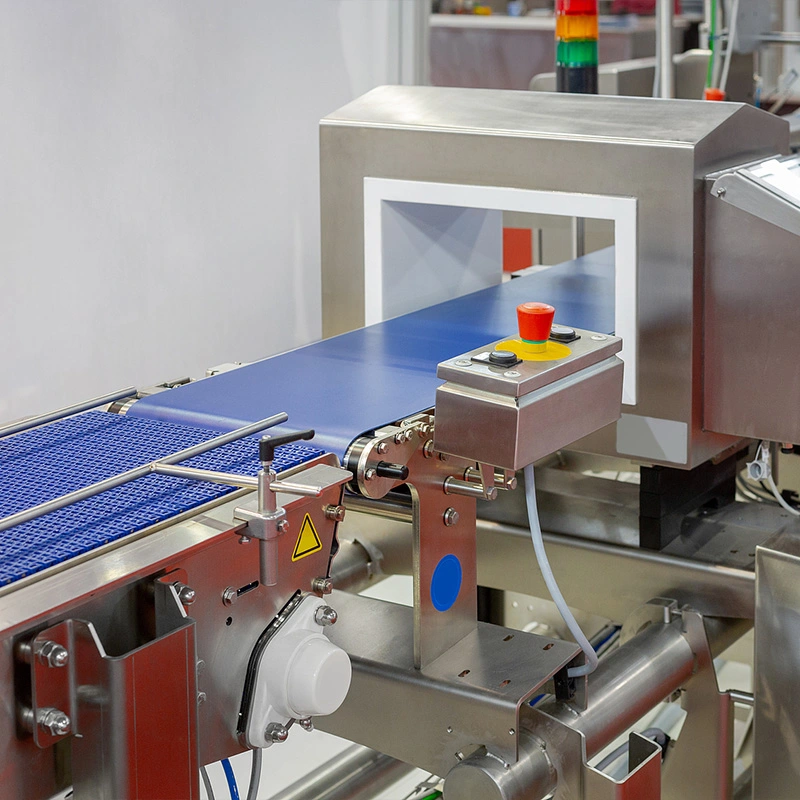
It is engineered to integrate seamlessly with CIP (Clean-in-Place) and SIP (Sterilize-in-Place) procedures, improving sanitation efficiency and reducing downtime.
Traditional industrial pipes made from basic stainless steel, plastic, or composite materials often fail to meet hygienic requirements in sectors where purity is crucial. Stainless Steel Electronic Clean Pipe surpasses conventional materials in several performance metrics:
Lower microbial adhesion due to polished internal surfaces
Reduced particle generation compared to plastic or PVC pipes
Higher temperature endurance, enabling steam sterilization
Outstanding mechanical strength and long-term fatigue resistance
Minimal corrosion, even with repeated exposure to disinfectants
Higher pressure ratings, making it suitable for complex fluid systems
Faster cleaning and reduced downtime
More stable system pressure, maintaining flow accuracy
Better compatibility with sensors, valves, and automated controls
When evaluated from a lifecycle cost perspective, Stainless Steel Electronic Clean Pipe ultimately lowers total maintenance spending, improves production stability, and enhances overall system safety.
As clean manufacturing evolves, choosing the right piping solution becomes increasingly important. Several factors influence system performance and regulatory compliance:
Electronics and Semiconductor: require SUS316L for ultra-low ion release
Food and Beverage: both SUS304 and SUS316L are suitable depending on acidity level
Pharmaceutical and Biotech: preference for high-purity electronic-grade stainless steel
A lower Ra value (surface roughness) enhances cleanability and reduces microbial growth potential. Systems demanding maximum purity typically require Ra ≤0.4 μm.
Orbital welding for high-cleanliness systems
Clamp connections for easy maintenance
Custom fittings based on design layout
Ensure the pipe meets:
Pharmaceutical sanitary standards
Semiconductor environmental regulations
International pressure vessel safety requirements
Food-grade safety protocols
By selecting the correct specifications, industries can achieve optimal hygiene, reduced contamination risk, and high operational reliability.
The trajectory of clean-processing systems suggests several future trends:
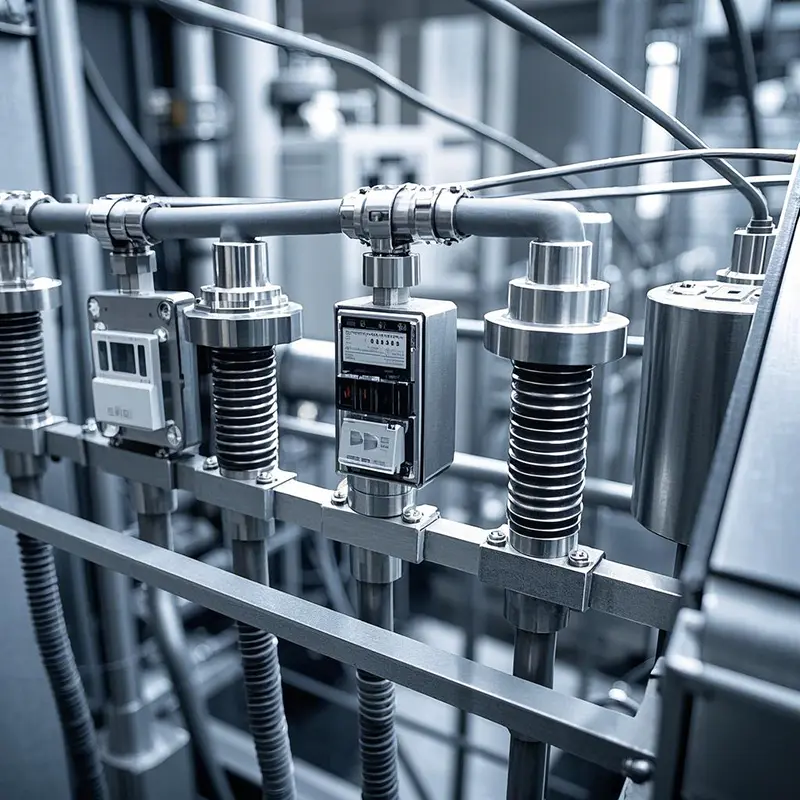
New systems will likely include sensors that:
Track ion levels
Monitor temperature and pressure
Detect contaminants in real time
Provide automated maintenance alerts
These advancements will help manufacturers achieve predictive maintenance and higher efficiency.
Future stainless steel materials may deliver:
Higher resistance to extreme chemicals
Greater temperature tolerance
Even lower particle shedding
As semiconductor geometries shrink and pharmaceutical purity requirements increase, pipes must support ultra-clean environments with nearly zero contamination output.
Optimized internal flow design can reduce friction, minimize energy consumption, and improve sustainability across industries.
Clean and aseptic environments are essential for electronics, biotechnology, and advanced medical technologies. This increasing demand means Stainless Steel Electronic Clean Pipe will remain a crucial component of next-generation processing infrastructure.
Q1: How long is the typical service life of Stainless Steel Electronic Clean Pipe in high-purity systems?
A1: The service life depends on operating conditions, but in most controlled environments the pipe can last more than 15–25 years. Its resistance to corrosion, temperature fluctuations, and repeated sterilization allows it to maintain structural integrity far longer than conventional piping materials. Regular inspection and proper CIP/SIP maintenance can further extend its usable lifespan.
Q2: Can Stainless Steel Electronic Clean Pipe be customized for specific cleanroom layouts or industry requirements?
A2: Yes. It can be produced in customized lengths, diameters, wall thicknesses, surface finishes, and fitting structures. Orbital welding, clamp fittings, and clean-in-place integration can also be tailored based on the complexity of the production environment. Customization ensures compliance with regulatory standards and optimizes system efficiency.
Stainless Steel Electronic Clean Pipe brings measurable advantages to industries requiring strict hygiene control, corrosion-resistant materials, and precision fluid management. With advanced alloy composition, polished internal surfaces, high mechanical durability, and compatibility with cleanroom procedures, this piping system is engineered for long-term reliability and consistent product quality. As future manufacturing shifts toward higher purity, smarter monitoring, and energy-efficient designs, the role of electronic-grade stainless steel pipes will continue to grow.
Shuangsen specializes in producing high-purity Stainless Steel Electronic Clean Pipe with strict quality control, modern fabrication technology, and a commitment to global sanitation standards. For businesses seeking dependable solutions for electronics, pharmaceutical, biotech, or food processing systems, Shuangsen provides professional guidance, comprehensive technical support, and customized product configurations.
For project consultation or product inquiries, contact us to explore clean-processing solutions that meet the highest industry expectations.