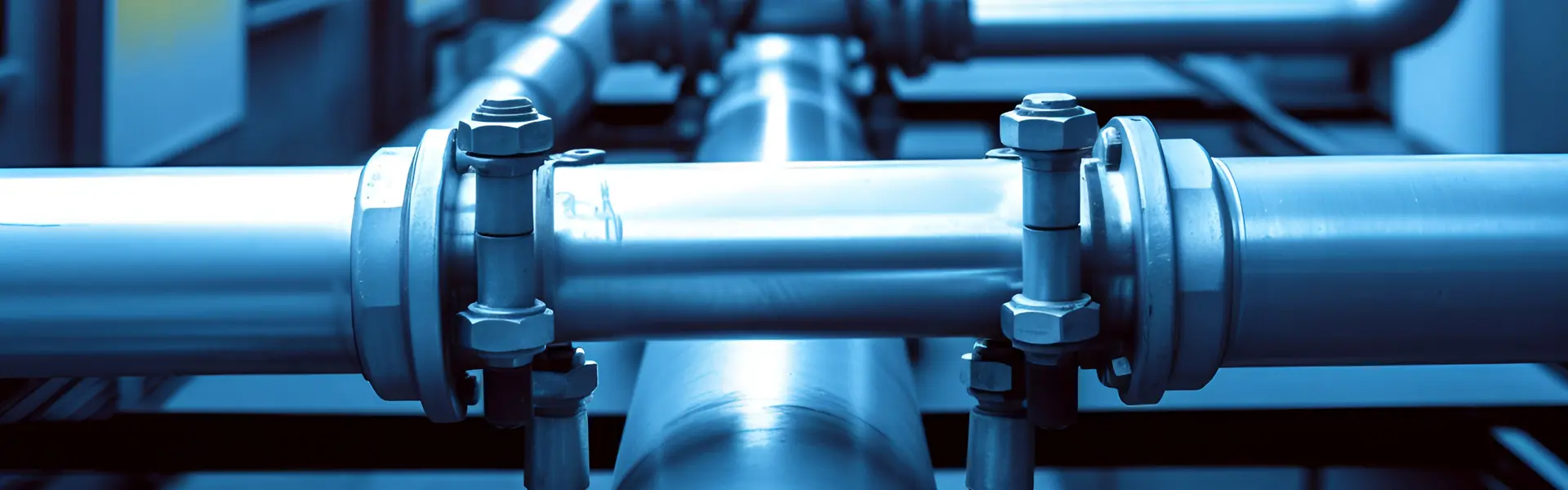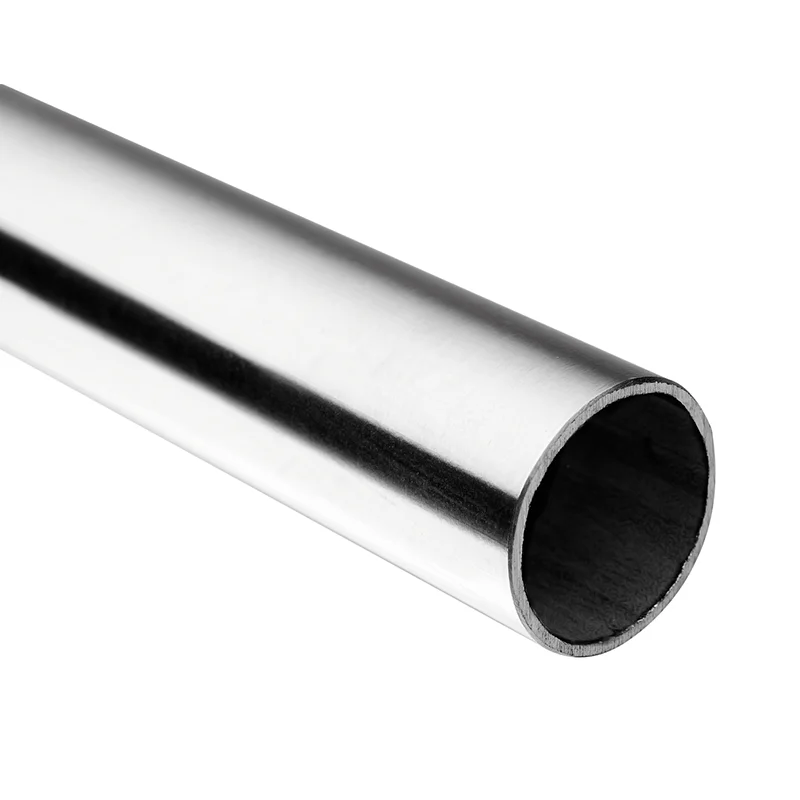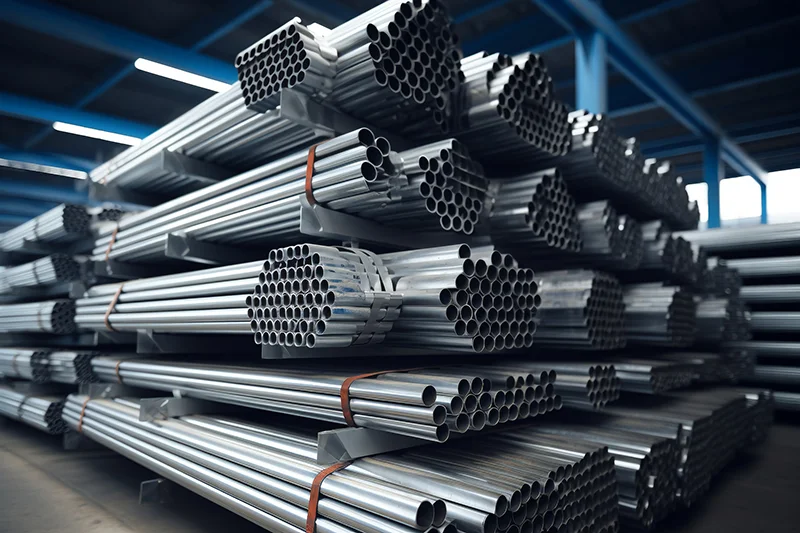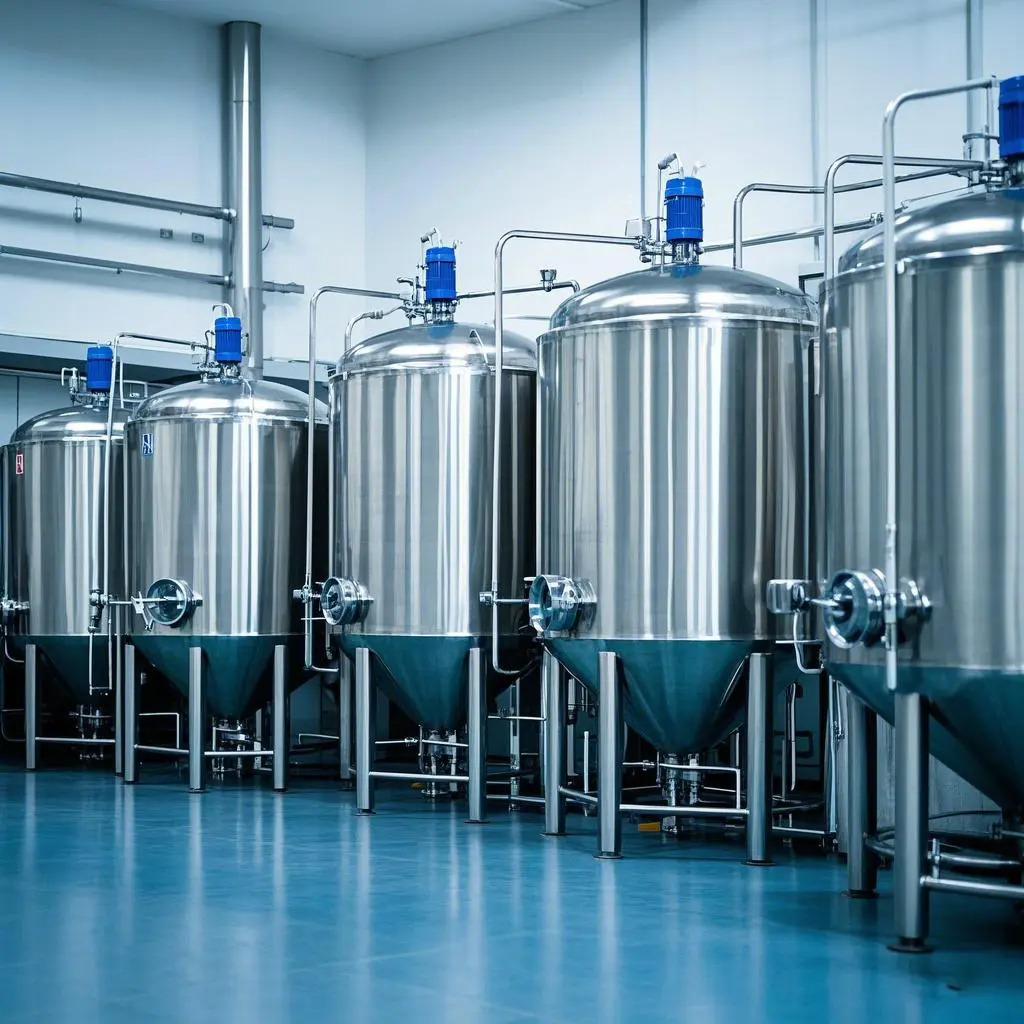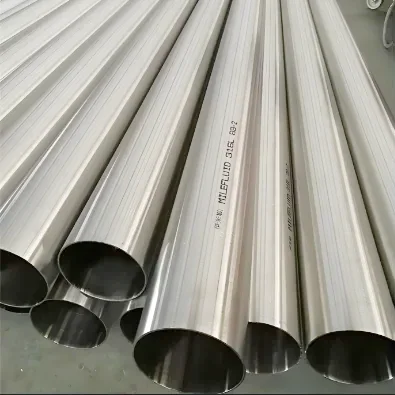
Stainless Steel Industrial Welded Pipe with Shuangsen Metal Technology are increasingly discussed in high-temperature pipeline applications where heat stability and corrosion resistance determine system safety.
High-temperature environments are not just "hot conditions"—they are long-term stress tests for any piping system. When temperature rises, metals expand, weld seams experience micro-stress, and corrosion reactions can accelerate depending on the medium inside the pipe.
For systems in chemical processing, thermal energy transfer, food sterilization lines, or cooling circuits in data centers, even small performance weaknesses can turn into long-term maintenance risks.
This is where Welded Pipe becomes a central material of discussion. Its balance between cost efficiency, structural strength, and corrosion resistance makes it widely used, but its behavior under heat depends on more than just the stainless steel grade itself.
Unlike seamless pipes, welded pipes have a distinct joint line formed during manufacturing. Modern production techniques—such as internal weld leveling and online heat treatment—have significantly improved performance stability.
However, under high temperatures, three key factors determine reliability:
- Base material grade (304, 316, or higher alloy content)
- Weld zone integrity and treatment quality
- Wall thickness consistency
In practical use, the weld area is no longer a weakness when controlled processes are applied correctly. In fact, advanced systems used in modern production lines can make the weld zone behave similarly to the base metal under moderate and high thermal loads.
| Concern Area | What Happens Under Heat | Practical Impact |
| Thermal expansion | Pipe length increases | Stress at joints |
| Oxidation | Surface reacts with oxygen | Gradual weakening |
| Weld fatigue | Repeated heating cycles | Micro-cracks risk |
| Pressure fluctuation | Combined heat + pressure | Structural strain |
These factors do not mean welded pipes are unsuitable—they simply highlight why material selection and process quality matter so much.
Not all stainless steel behaves the same at elevated temperatures. For example:
- 304 stainless steel performs well in general heat conditions but may show limitations in aggressive chemical environments.
- 316 stainless steel offers improved resistance to corrosion and better stability in higher-temperature and chloride-rich environments.
- Specialized alloys can extend performance further, but cost and application need careful balance.
In many industrial systems, Stainless Steel Industrial Welded Pipe made from 316-grade material is often chosen when temperature and corrosion act together as dual stress factors.
Modern production has significantly improved the reliability of welded stainless steel pipes. Advanced systems used in facilities such as those operated by Zhejiang Shuangsen Metal Technology Co., Ltd. integrate multiple precision technologies:
- Online roundness control systems to maintain geometric stability
- Internal weld leveling technology to smooth internal flow paths
- Online bright solid melting heat treatment to improve metallurgical uniformity
These technologies reduce structural inconsistencies that traditionally limited welded pipes in high-temperature scenarios.
| Process Step | Function | Benefit in High Temperature |
| Weld leveling | Smooth internal seam | Reduces stress concentration |
| Heat treatment | Stabilizes metal structure | Improves thermal endurance |
| Roundness control | Maintains shape accuracy | Prevents deformation under heat |
High-temperature piping systems appear in many unexpected places beyond heavy industry. Today, applications include:
- Chemical reaction pipelines
- Oil and gas transport systems
- Food sterilization and pasteurization lines
- Hot water supply systems
- Cooling systems in high-performance computing environments
In data center cooling systems, for instance, stable temperature cycling requires pipes that do not deform or corrode over long operating periods.
This is where Stainless Steel Industrial Welded Pipe becomes a practical choice due to its balance of performance and structural stability.
One of the most overlooked facts is that temperature alone is not the only challenge. The combination of heat, pressure, and chemical exposure creates the real test condition.
For example:
- Hot acidic fluids increase corrosion speed
- Steam systems introduce cyclic thermal shock
- Chloride-rich environments accelerate pitting corrosion
Therefore, performance is not defined by a single property, but by how all conditions interact.
Before selecting piping materials for heat-intensive systems, engineers typically evaluate:
- Maximum continuous operating temperature
- Short-term peak temperature exposure
- Fluid composition and chemical activity
- Expected service life cycle
- Welding quality consistency
These parameters help determine whether a standard or enhanced Industrial Welded Pipe is appropriate.
With improved welding and heat treatment technologies, the performance gap between welded and seamless stainless steel pipes is narrowing.
In many modern systems, welded pipes are no longer considered a compromise option. Instead, they are chosen for their efficiency, stable performance, and adaptability in customized engineering environments.
The key shift is not in the material itself, but in the precision of manufacturing control.
Whether a Stainless Steel Industrial Welded Pipe is suitable for high-temperature service depends on a combination of material grade, weld integrity, and manufacturing precision rather than a single factor.
When properly designed and produced with controlled processes, welded stainless steel pipes can perform reliably across a wide range of thermal environments, from industrial processing lines to advanced cooling systems.
With its continuous investment in production technology and quality systems, Zhejiang Shuangsen Metal Technology Co., Ltd. demonstrates how modern Industrial Welded Pipe solutions can meet evolving high-temperature application demands while maintaining structural stability and long-term durability.