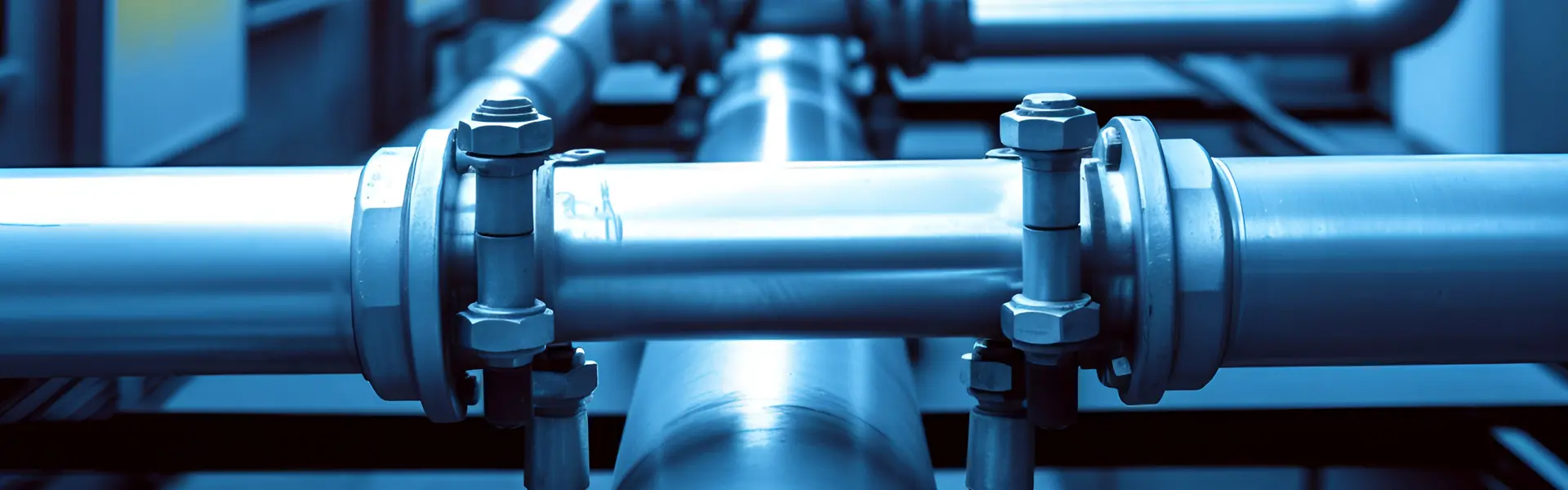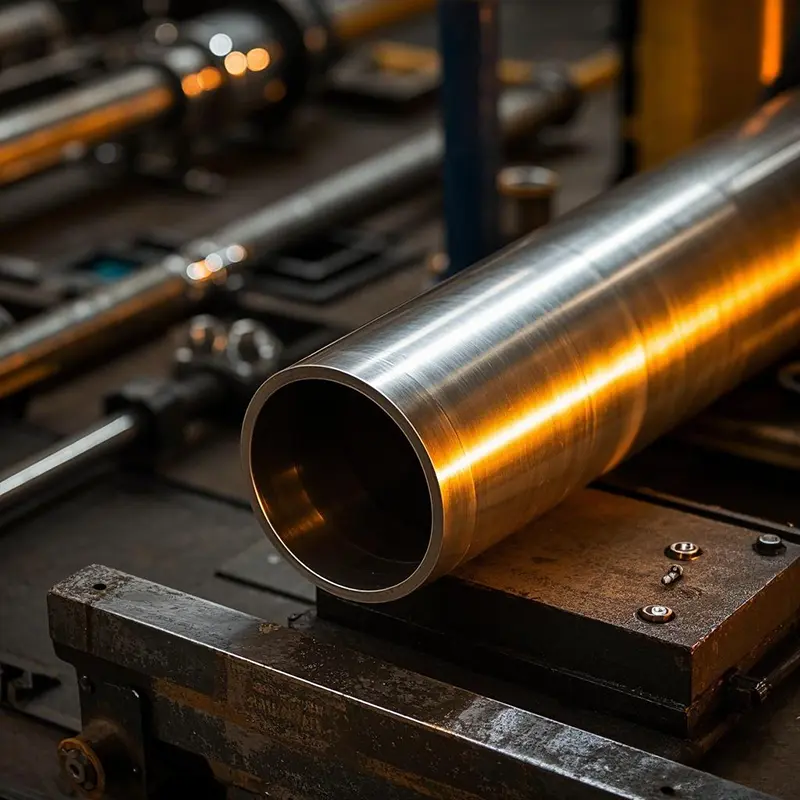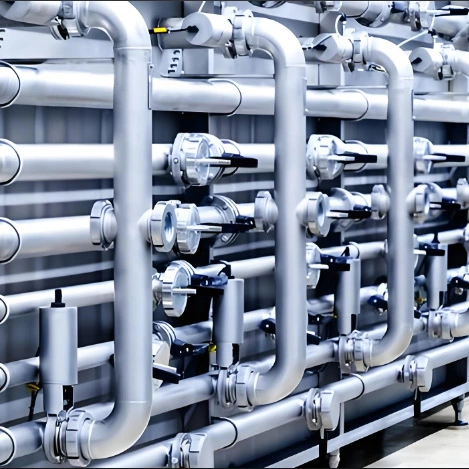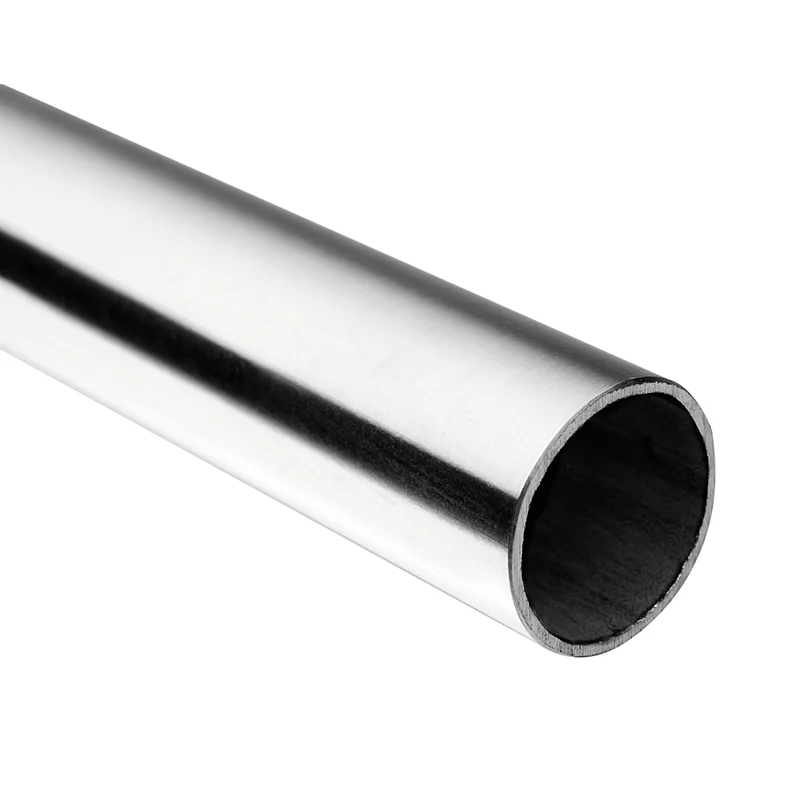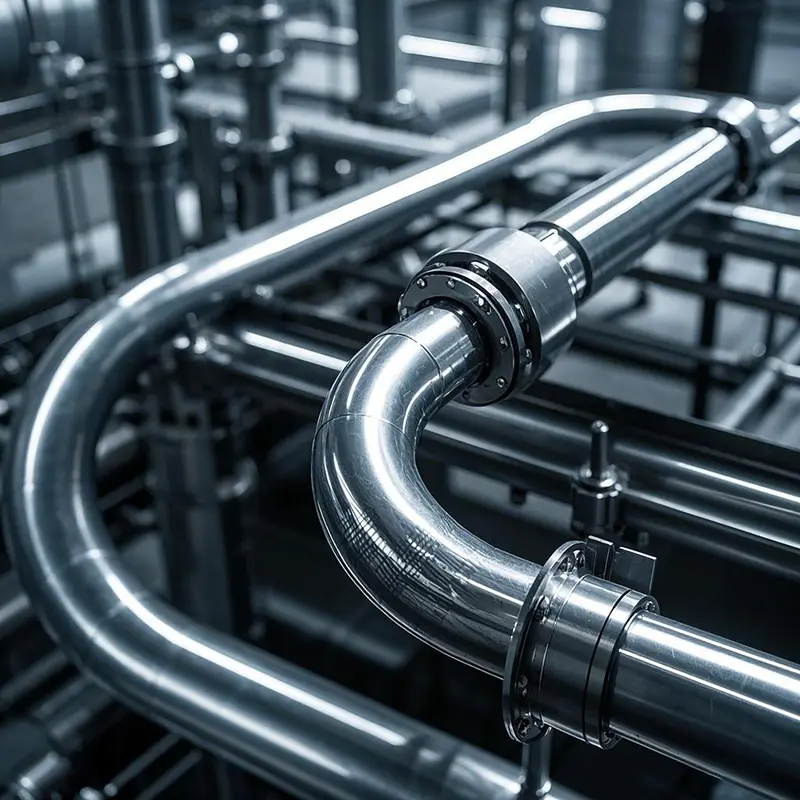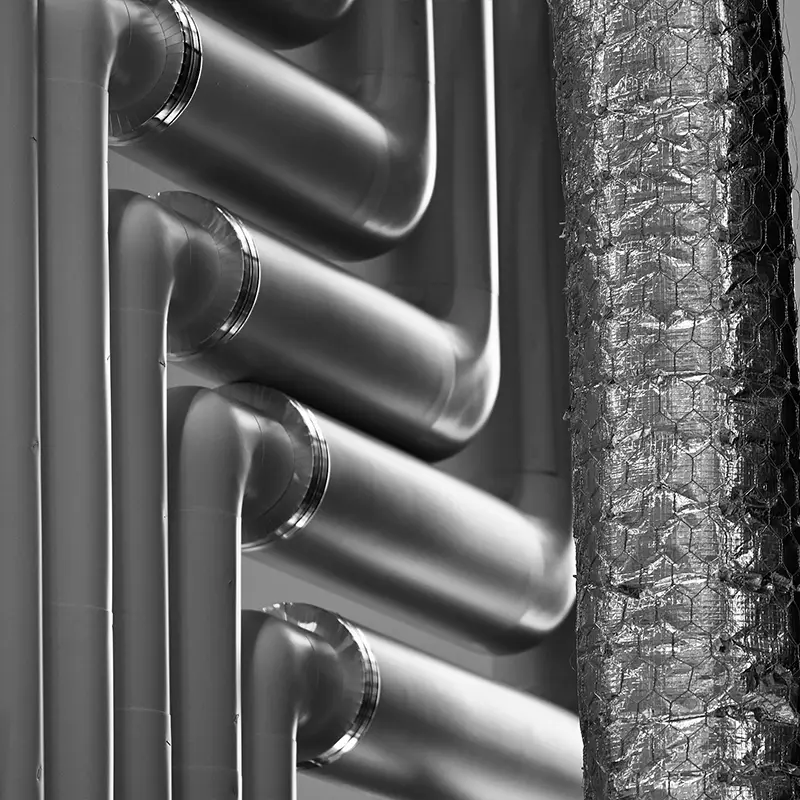
From offshore engineering to petrochemical transportation systems, stainless steel large diameter thick-wall pipe plays a critical role in demanding industrial environments. This comprehensive guide explores material selection, manufacturing methods, corrosion resistance, applications, performance advantages, maintenance strategies, and purchasing considerations to help buyers and engineers make informed decisions.
Industrial infrastructure continues to evolve toward larger capacities, higher pressures, and more extreme operating environments. As a result, manufacturers and project contractors increasingly rely on stainless steel large diameter thick-wall pipe for structural reliability and long-term performance.
Unlike conventional piping systems, thick-wall stainless steel pipes are engineered to withstand elevated pressure, mechanical stress, temperature fluctuations, and corrosive substances. Their larger diameter allows higher flow rates while maintaining structural integrity across long-distance transportation systems.
Industries such as oil and gas, chemical processing, marine engineering, desalination, nuclear energy, and heavy construction all require piping solutions that minimize failure risk and maintenance costs. This is where premium stainless steel pipe systems become indispensable.
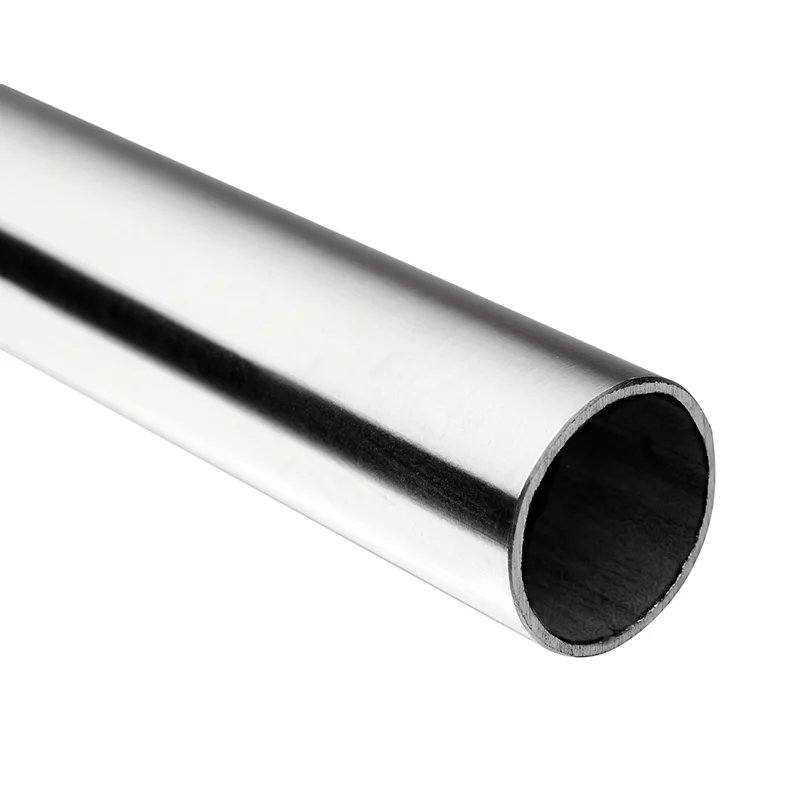
A stainless steel large diameter thick-wall pipe refers to a pipe with a comparatively large outer diameter and significant wall thickness designed for high-pressure or heavy-duty industrial applications.
These pipes are typically manufactured using advanced welding or seamless forming techniques and are available in multiple stainless steel grades depending on operational requirements.
| Parameter | Typical Range |
|---|---|
| Outer Diameter | 219mm – 3000mm+ |
| Wall Thickness | 10mm – 100mm+ |
| Pipe Length | 6m – 18m |
| Manufacturing Method | Seamless / Welded |
| Surface Finish | Pickled, Polished, Sandblasted |
Stainless steel contains chromium that forms a passive oxide layer protecting the pipe from rust and chemical attack.
The thick-wall structure allows the pipe to withstand extreme internal pressure without deformation.
Properly manufactured stainless steel pipes can remain operational for decades with minimal maintenance.
Suitable for cryogenic systems and high-temperature industrial processes.
Selecting the appropriate material grade is critical for performance and durability. Different stainless steel compositions offer unique advantages depending on the operating environment.
| Grade | Features | Applications |
|---|---|---|
| 304 | General corrosion resistance | Food processing, water systems |
| 316L | Superior chloride resistance | Marine and chemical industries |
| 321 | High temperature stability | Heat exchangers |
| Duplex 2205 | High strength and corrosion resistance | Offshore platforms |
The manufacturing process directly impacts the pipe’s mechanical properties, dimensional accuracy, and operational lifespan.
Leading manufacturers such as Zhejiang Shuangsen Metal Technology Co., Ltd. invest heavily in precision forming technology and strict inspection procedures to ensure consistent pipe quality for demanding industrial applications.
Large diameter thick-wall stainless steel pipes are widely used across industries where safety and durability are essential.
Many buyers face challenges when selecting industrial stainless steel pipes because improper choices can result in costly failures and maintenance issues.
| Factor | Importance |
|---|---|
| Operating Pressure | Determines required wall thickness |
| Temperature | Impacts material stability |
| Corrosive Environment | Influences grade selection |
| Flow Capacity | Determines pipe diameter |
| Industry Standards | Ensures compliance and safety |
Corrosion is one of the primary causes of industrial pipeline failure. Stainless steel thick-wall pipes are specifically engineered to minimize corrosion-related risks.
The chromium-rich surface layer automatically repairs itself when damaged, providing continuous protection in humid or chemically aggressive environments.
For chloride-rich environments such as offshore engineering, molybdenum-containing grades like 316L or duplex stainless steels are often preferred because of their enhanced pitting resistance.
Thick-wall stainless steel pipes offer exceptional structural strength, making them suitable for high-load and high-pressure systems.
Maintains dimensional stability under intense pressure.
Suitable for harsh operational environments with vibration or mechanical impact.
Capable of handling repeated stress cycles over long periods.
| Material | Corrosion Resistance | Strength | Maintenance | Service Life |
|---|---|---|---|---|
| Carbon Steel | Low | High | Frequent | Moderate |
| Plastic Pipe | Moderate | Low | Low | Short |
| Stainless Steel | Excellent | Excellent | Minimal | Very Long |
Reliable quality control is essential for industrial safety and operational consistency.
International standards commonly followed include ASTM, ASME, EN, JIS, and GB standards depending on project requirements.
Even though stainless steel offers excellent durability, proper handling and storage significantly extend service life.
Many project delays and maintenance problems originate from improper procurement decisions.
The demand for large diameter thick-wall stainless steel pipe continues to grow due to global industrial expansion and infrastructure modernization.
Emerging trends include:
As industries push toward more extreme operating conditions, high-performance stainless steel piping solutions will become even more essential.
Oil and gas, marine engineering, petrochemical processing, power generation, and water treatment industries frequently use these pipes because of their durability and pressure resistance.
316L offers excellent resistance to chloride corrosion, making it suitable for marine and chemical environments.
With proper installation and maintenance, stainless steel thick-wall pipes can remain operational for several decades.
Seamless pipes are manufactured without weld seams and typically offer higher pressure resistance, while welded pipes are more cost-effective for larger diameters.
Buyers should request material certificates, inspection reports, and compliance documentation from reputable manufacturers.
Stainless steel large diameter thick-wall pipe has become an indispensable component in modern industrial infrastructure. Its ability to withstand pressure, corrosion, temperature extremes, and mechanical stress makes it ideal for demanding applications across multiple sectors.
By understanding material grades, manufacturing methods, inspection standards, and application requirements, buyers can make better procurement decisions that improve operational efficiency and reduce long-term maintenance costs.
Zhejiang Shuangsen Metal Technology Co., Ltd. specializes in high-quality stainless steel large diameter thick-wall pipe solutions for demanding industrial projects worldwide. Our experienced team is committed to delivering precision manufacturing, strict quality control, and customized solutions tailored to your project requirements.
Contact us today to discuss your project needs and receive professional support from our technical experts.