News

What Makes Single Clamping Pipe Fittings Essential for Secure Piping Systems?

2026-05-06 0 Leave me a message

In modern industrial piping systems, stability, leak prevention, and installation efficiency are critical concerns. Single Clamping Pipe Fittings have emerged as a reliable solution for engineers and project managers seeking durable and easy-to-install connections. This article explores their structure, working principles, advantages, applications, installation practices, and common troubleshooting methods. It is designed to help readers understand how these fittings reduce maintenance costs, improve safety, and enhance overall system performance in demanding environments.

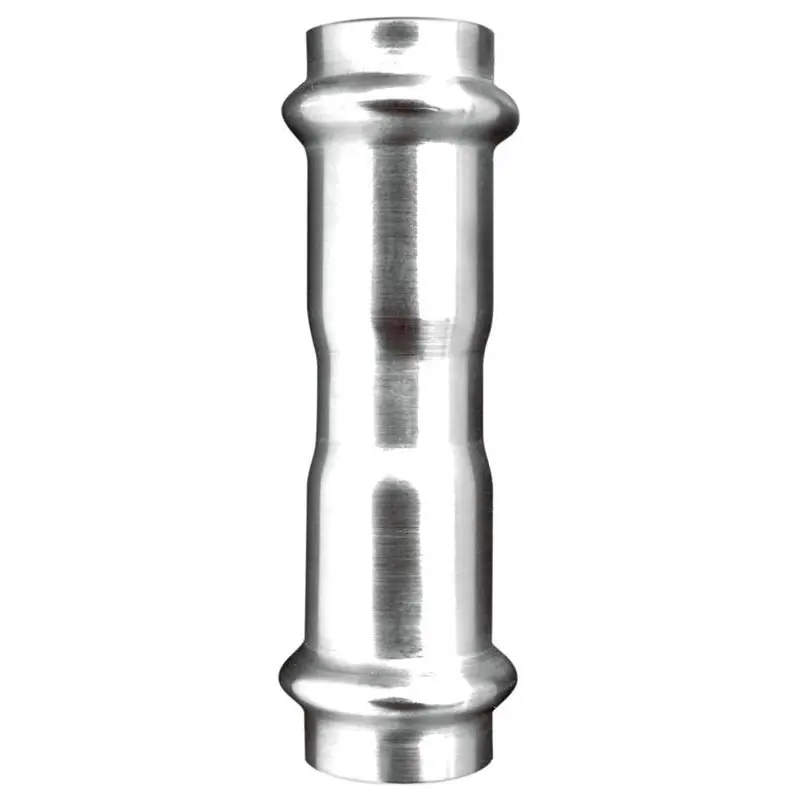
Single Clamping Pipe Fittings


Table of Contents


Why Piping Systems Need Better Connections

Industrial piping systems are used in almost every sector, including oil and gas, chemical processing, water treatment, construction, and manufacturing. One of the most frequent challenges in these systems is maintaining a secure, leak-free connection under pressure, vibration, and temperature variation. Traditional pipe connections often rely on welding, threading, or multi-component fittings. While effective in some situations, they can be time-consuming, labor-intensive, and prone to maintenance issues. This is where Single Clamping Pipe Fittings provide a modern alternative. Designed for simplicity and strength, they allow fast assembly while ensuring long-term sealing performance. Their growing popularity is driven by efficiency demands in modern industrial environments.

Structure and Working Principle of Single Clamping Pipe Fittings

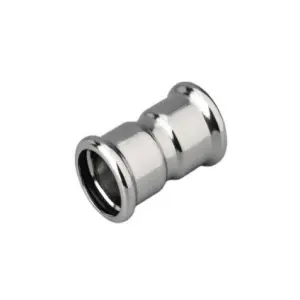
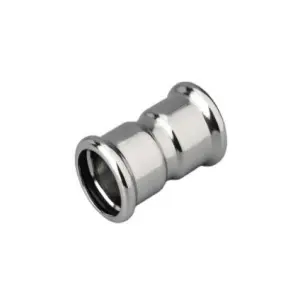
Single clamping pipe fittings are engineered with a compact yet highly effective design. They typically consist of:
  • A precision-machined body
  • A single clamp ring mechanism
  • Sealing elements (often rubber or elastomer-based)
  • A locking system for pressure distribution
The working principle is straightforward. When the clamp is tightened, it compresses the sealing element uniformly around the pipe surface. This creates a secure seal that prevents leakage even under high pressure or vibration conditions. Unlike multi-bolt systems, the single clamping mechanism reduces uneven stress distribution, which significantly improves reliability.

Key Features and Technical Advantages

Single clamping pipe fittings are widely preferred due to their engineering advantages. Below are some of their most important features:
  • Quick Installation: Reduces assembly time significantly compared to welded or threaded systems.
  • Leak Prevention: Uniform pressure ensures consistent sealing performance.
  • Vibration Resistance: Suitable for dynamic industrial environments.
  • Compact Design: Saves space in complex piping layouts.
  • Reusable Structure: Can often be disassembled and reused.
These features make them ideal for systems where downtime must be minimized.

Installation Process Explained Step-by-Step

One of the biggest advantages of single clamping pipe fittings is their simple installation process.
  1. Pipe Preparation: Ensure the pipe ends are clean, smooth, and free from debris.
  2. Alignment: Position the pipes correctly to avoid misalignment stress.
  3. Insert Fitting: Slide the fitting over the pipe ends.
  4. Clamp Tightening: Tighten the single clamp mechanism evenly.
  5. Inspection: Check for proper sealing and alignment.
This streamlined process reduces the need for specialized tools or highly skilled labor, making it cost-effective for large-scale projects.

Benefits of Using Single Clamping Pipe Fittings

The adoption of these fittings provides several long-term advantages:
  • Reduced Maintenance Costs: Fewer leak-related repairs.
  • Faster Project Completion: Shorter installation time accelerates construction schedules.
  • Improved Safety: Minimizes risk of fluid or gas leakage.
  • Operational Efficiency: Stable flow performance under pressure.
  • Flexibility: Suitable for temporary or permanent systems.
These benefits are especially valuable in industries where system downtime leads to financial loss.

Comparison with Traditional Pipe Fittings

Feature Single Clamping Pipe Fittings Traditional Fittings
Installation Time Fast Slow
Leak Resistance High Moderate to High (depends on type)
Maintenance Low High
Flexibility High Limited
Reusability Often Reusable Limited
From the comparison, it is clear that single clamping systems provide better efficiency and adaptability in modern applications.

Industrial Applications and Use Cases

Single clamping pipe fittings are widely used across multiple industries:
  • Oil and Gas: High-pressure pipeline systems
  • Chemical Industry: Corrosive fluid transport
  • Water Treatment: Filtration and distribution networks
  • Construction: Temporary piping setups
  • Manufacturing: Machinery fluid systems
Their versatility makes them suitable for both permanent infrastructure and temporary installations.

Common Problems and Practical Solutions

Even though single clamping pipe fittings are highly reliable, certain issues may arise:
  • Improper Tightening: Can cause minor leaks. Solution: Use calibrated tools.
  • Seal Wear: Occurs over long-term use. Solution: Replace sealing components periodically.
  • Misalignment: Leads to stress on fittings. Solution: Ensure proper pipe alignment before tightening.
Preventive maintenance can significantly extend service life.

Maintenance and Service Life Extension

To ensure long-lasting performance:
  • Inspect fittings regularly for signs of wear
  • Avoid over-tightening during installation
  • Keep sealing surfaces clean
  • Replace worn sealing components promptly
Proper maintenance ensures consistent performance and reduces unexpected downtime.

Buying Guide: How to Choose the Right Fittings

When selecting single clamping pipe fittings, consider the following:
  • Pipe material compatibility
  • Pressure rating requirements
  • Temperature resistance
  • Corrosion resistance
  • Application environment
Choosing the correct specification ensures optimal system performance and safety.

Frequently Asked Questions (FAQ)

Q1: Are single clamping pipe fittings suitable for high-pressure systems?
Yes, they are designed to handle moderate to high-pressure applications depending on material and design specifications.

Q2: Can they be reused after disassembly?
In most cases, yes. However, sealing elements should be inspected and replaced if necessary.

Q3: Do they require special tools for installation?
No, basic tightening tools are usually sufficient.

Q4: What industries benefit most from these fittings?
Industries such as oil and gas, chemical processing, water treatment, and manufacturing benefit significantly.

Q5: How long is their service life?
Service life depends on operating conditions, but with proper maintenance, they can last for many years.


Conclusion

Single clamping pipe fittings represent a significant advancement in piping technology. Their ability to combine speed, safety, and durability makes them a preferred choice in modern engineering projects. From reducing installation time to improving leak resistance, they solve many traditional piping challenges effectively. For industries seeking dependable and efficient piping solutions, these fittings offer a practical and long-lasting answer.

Zhejiang Shuangsen Metal Technology Co., Ltd. is committed to providing high-quality piping components designed for industrial reliability and performance. Our expertise ensures that every product meets demanding engineering standards.

Contact us today to learn more about our Single Clamping Pipe Fittings and discover how we can support your next project with reliable and cost-effective solutions.

Related News
Leave me a message
X
We use cookies to offer you a better browsing experience, analyze site traffic and personalize content. By using this site, you agree to our use of cookies. Privacy Policy
Reject Accept