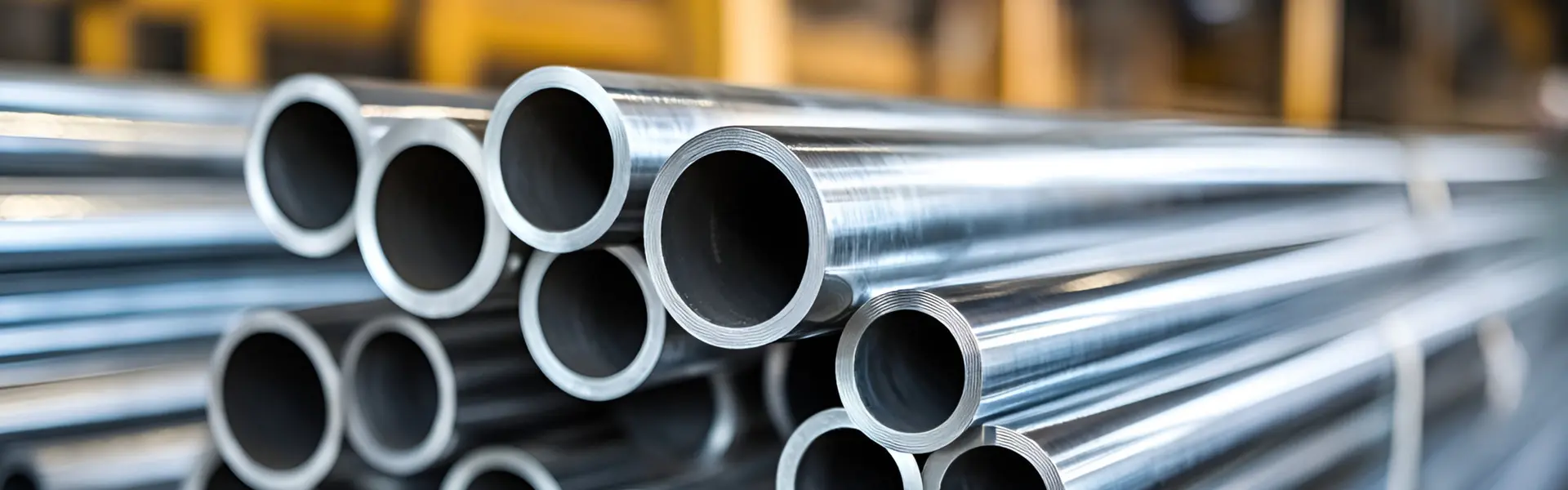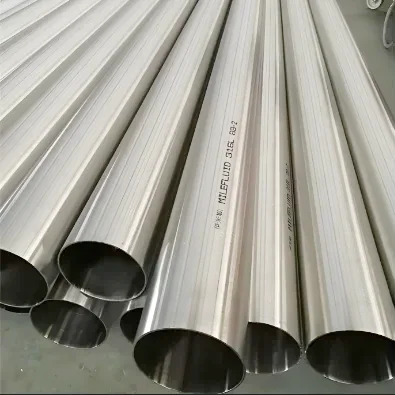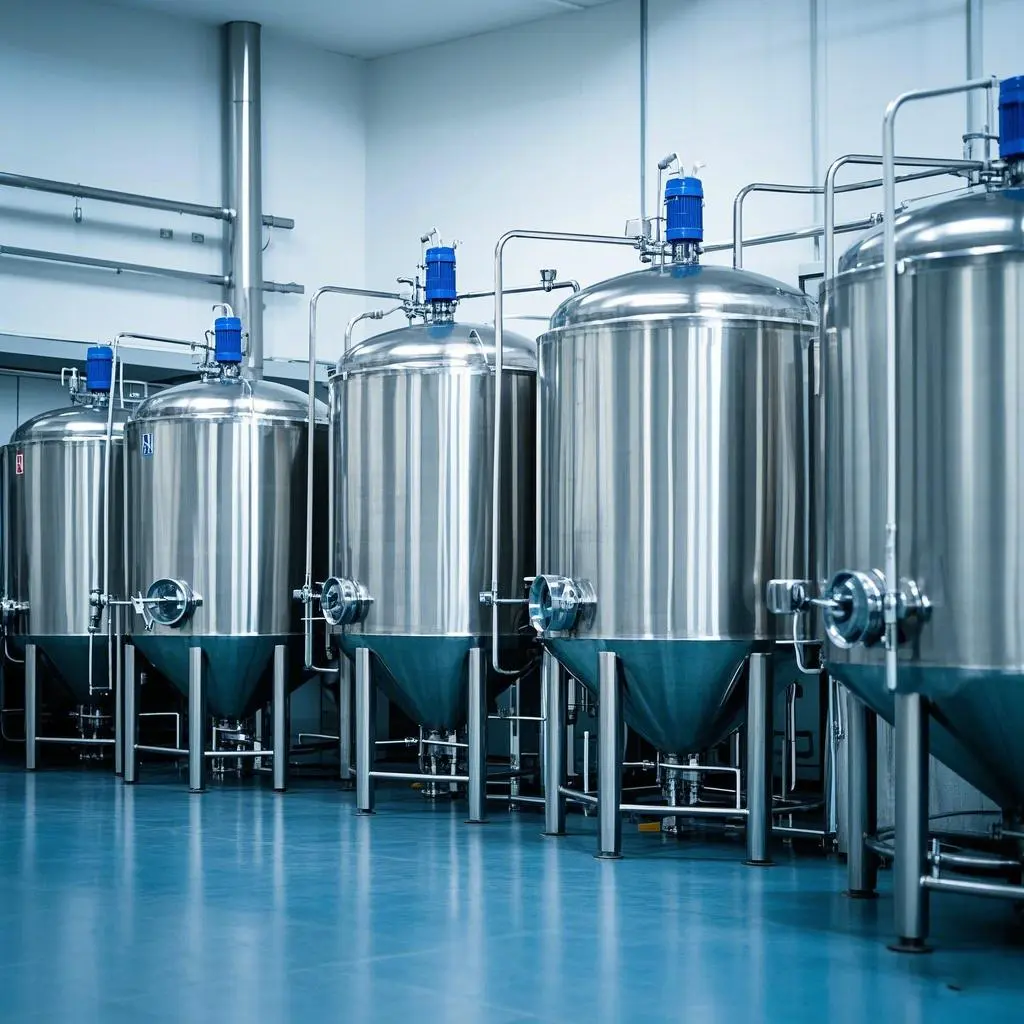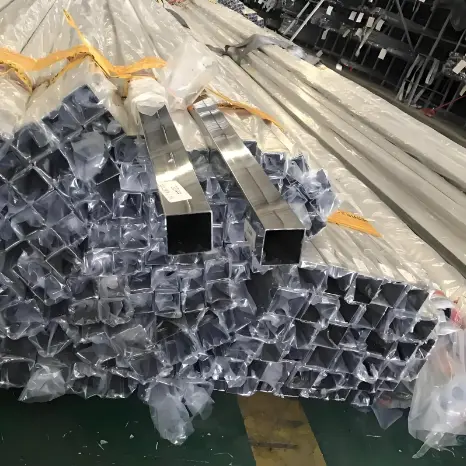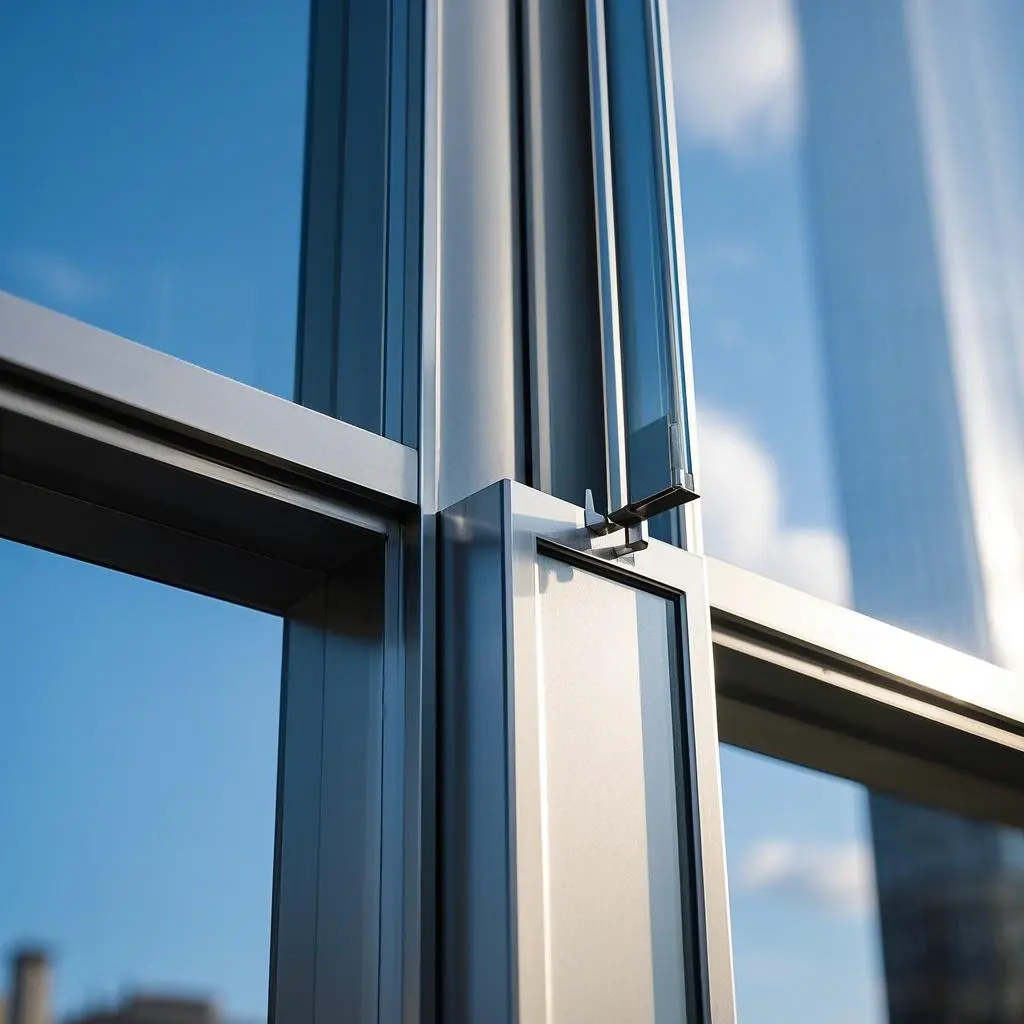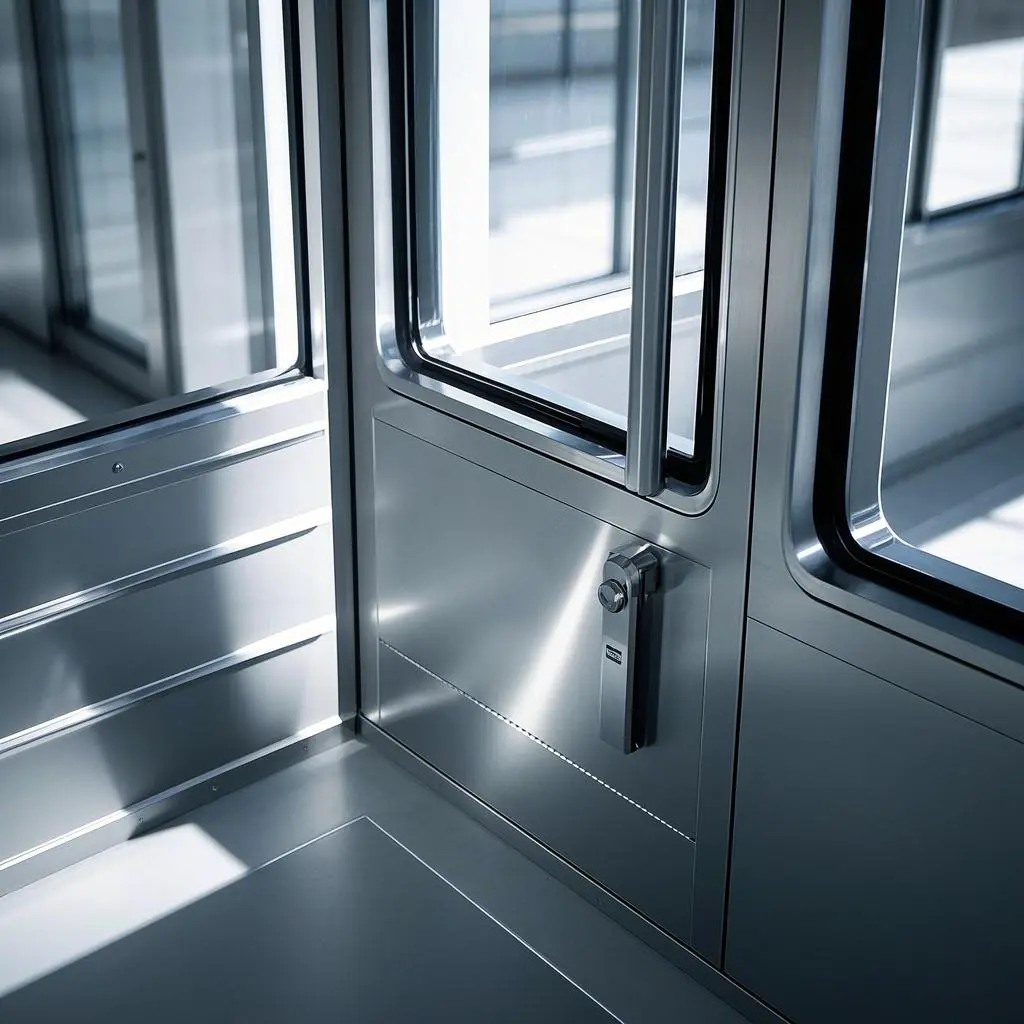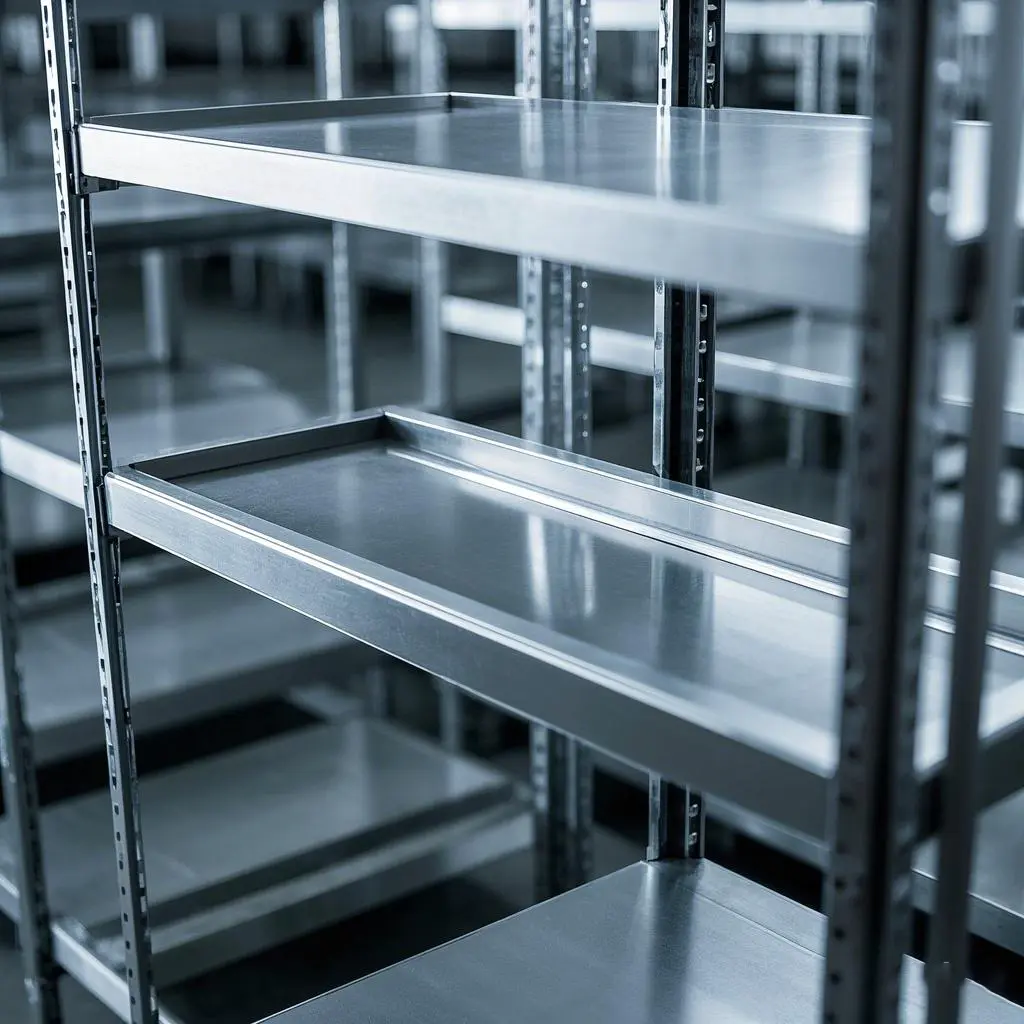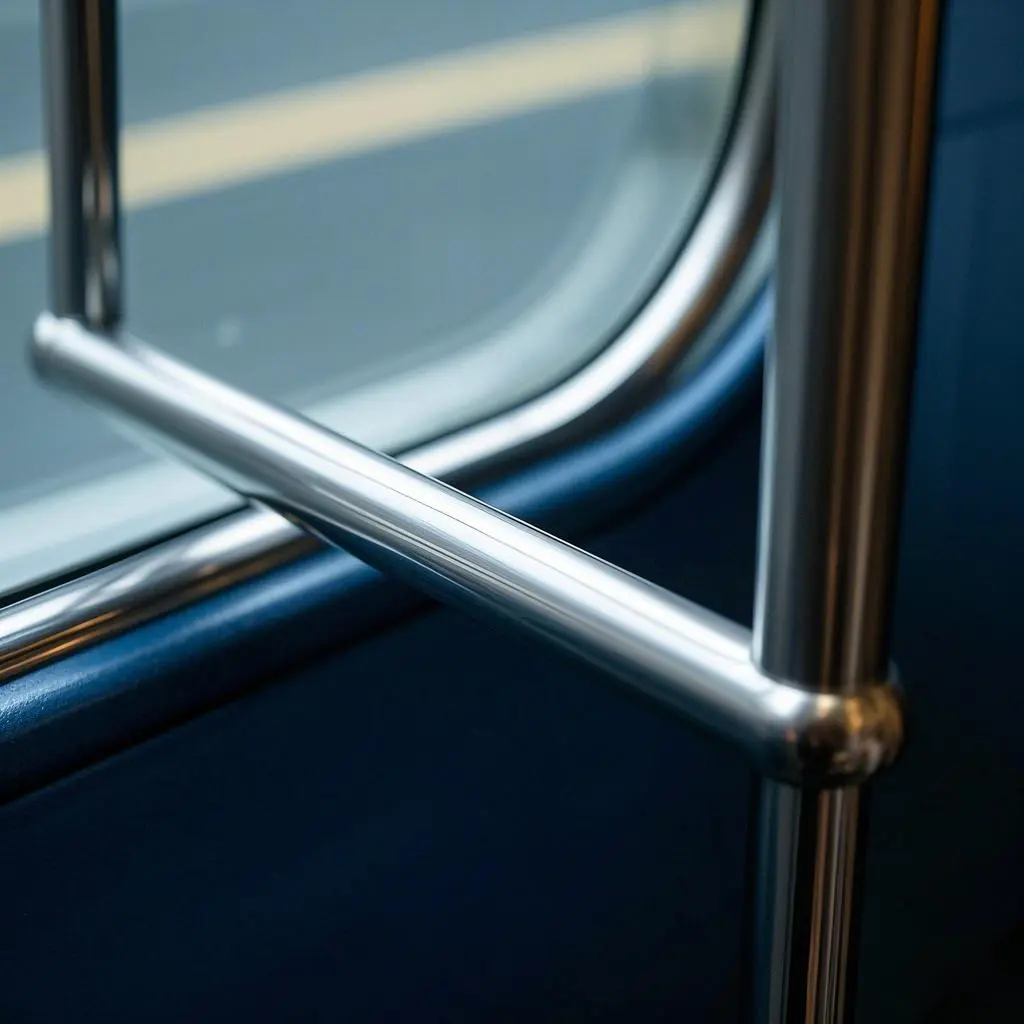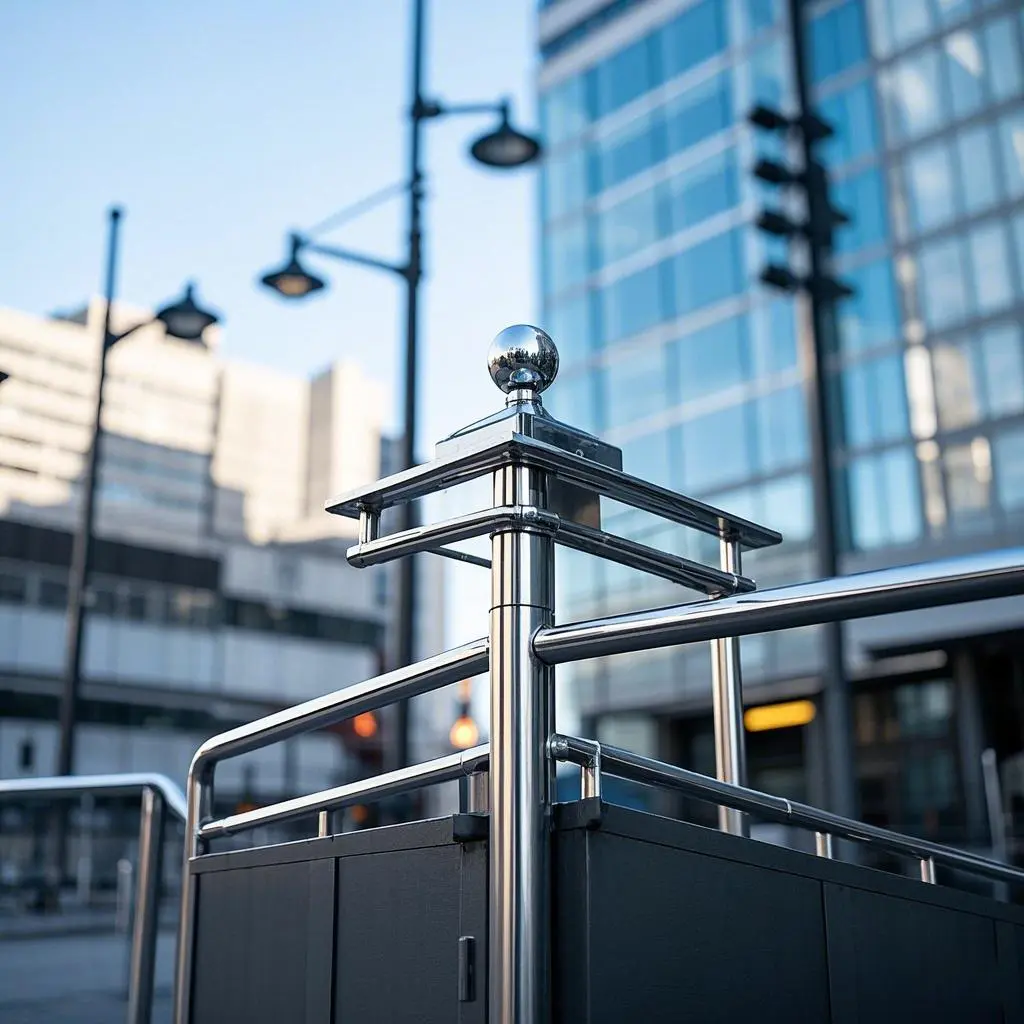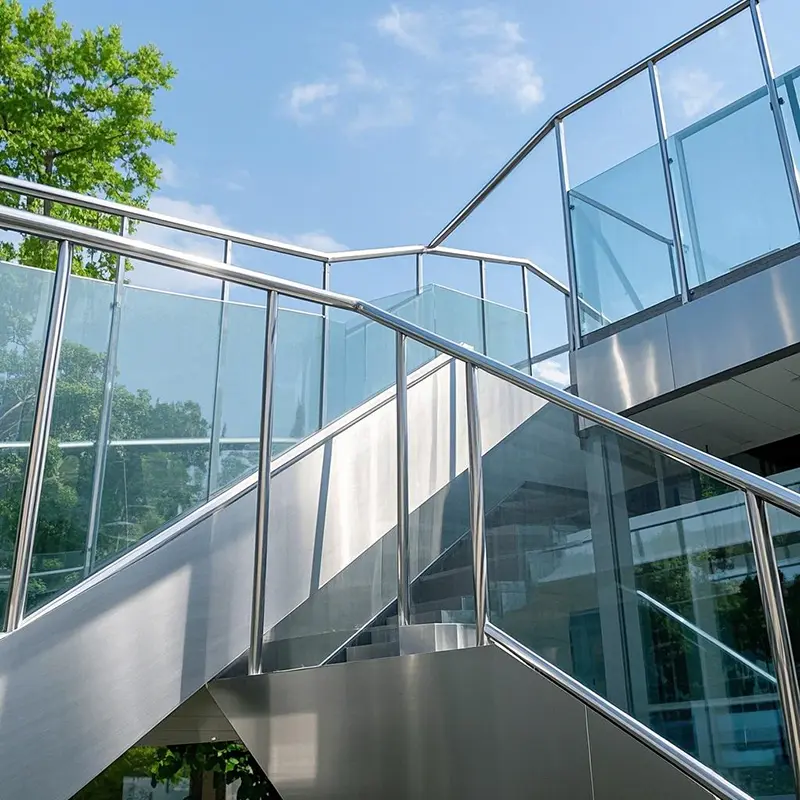
As one of professional manufacturers, Shuangsen Pipes would like to provide you high quality Stainless Steel Pipe for Doors and Windows. And we will offer you the best after-sale service and timely delivery.
Specification: Φ8mm~Φ273mm(Round pipe, bellows, pattern tube)
10*10~150*150mm(square tube)
length:3500mm~7500mm(Regular length: 6000mm)
Wall thickness:0.40mm~3.5mm
Standard: ASTM A554; GB/T 12770; JIS G3446
Shuangsen is an industry-leading manufacturer and premier supplier of premium Stainless Steel Pipe for Doors and Windows options. Following GB/T 12770-2002 standards, our equipment processes multiple steel grades including 201, 304, 316L, and 430. We strictly manage five key quality parameters—angle, flatness, brightness, bending degree, and tensile degree—to ensure high durability across public transit systems, airports, hotels, and residential frameworks.
Technical Manufacturing and Dimensional Alignment
Mechanical Processing and Material Source
Structural integrity in architectural framing depends heavily on raw material quality and precision milling. Production utilizes refined materials sourced from reputable domestic large steel mills. The fabrication sequence depends on high-end imported pipe welding machine lines that execute a strict 26-process forming loop. This continuous mechanical management ensures the welding section is completely uniform, which actively prevents typical product deficiencies and eliminates structural welding leakage under load stress.
To ensure structural performance when deploying Stainless Steel Pipe for Doors and Windows assemblies, the production plant enforces automated control over five core physical properties:
Angle: Precise geometric execution across profiles to ensure squareness during fabrication.
Flatness: Absolute elimination of wall ripples or surface deviations along the profile planes.
Brightness: Consistent reflective clarity matching the designated surface polishing parameters.
Bending Degree: Exact linearity across long spans to guarantee smooth tracks and structural alignment.
Tensile Degree: High yield threshold to withstand environmental impacts and heavy glass weights.
Material Classification and Environmental Allocation
Standard Compliance Matrix
All metallurgy aligns strictly with the GB/T 12770-2002 industrial standard, separating specific grades by elemental properties to provide long-term resistance against target environments. Choosing the appropriate grade for specific structural projects prevents early surface degradation and cross-contamination.
Alloy Designation
Traditional Reference
Designated Operational Environment
1Cr17Mn6Ni5N
201
Lightly-polluted environments with low chemical exposure.
1Cr18Mn8Ni5N
201
Lightly-polluted environments with low chemical exposure.
0Cr18Ni9
304
Medium-polluted environments, standard outdoor installations.
0Cr17Ni12Mo2
316
Heavily-polluted areas, coastal salty-foggy zones, and acid rain-stricken infrastructure.
00Cr17Ni14Mo2
316L
Heavily-polluted areas, coastal salty-foggy zones, and acid rain-stricken infrastructure.
1Cr18Ni9Ti
321
Dedicated heavy industrial purposes and manufacturing facility frames.
0Cr12Ti
409
Standard machinery components and non-exposed structural tubing.
The high processing durability and mechanical uniformity of this premium Stainless Steel Pipe for Doors and Windows make it optimal for framing across major high-traffic developments. Selected application areas include:
Residential window frame structures and exterior structural entry doors.
High-traffic commercial spaces including hotels, shopping malls, and airports.
Public transportation hubs, including subway networks and railway stations.
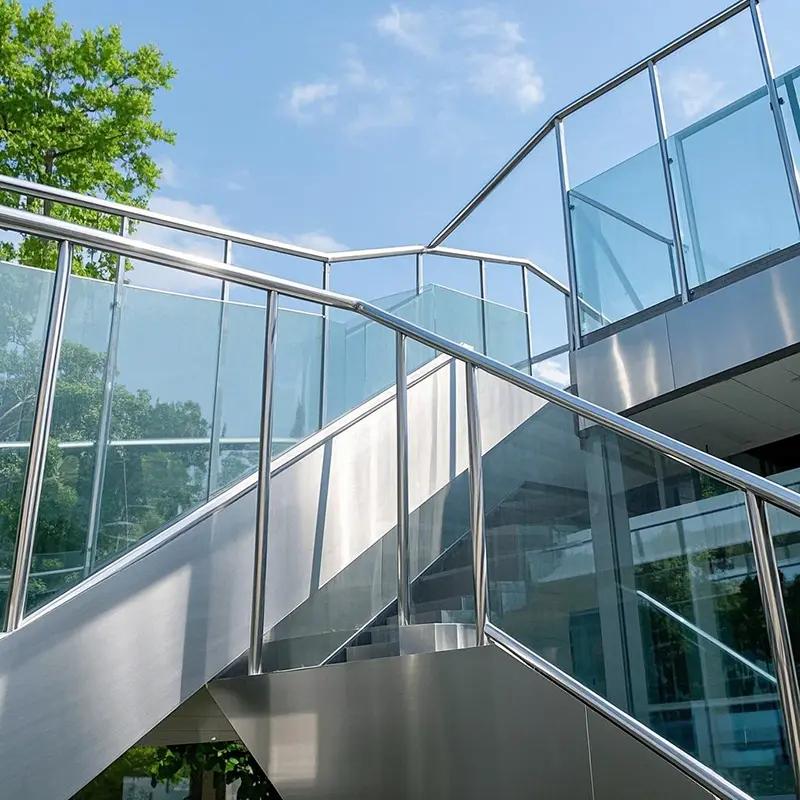
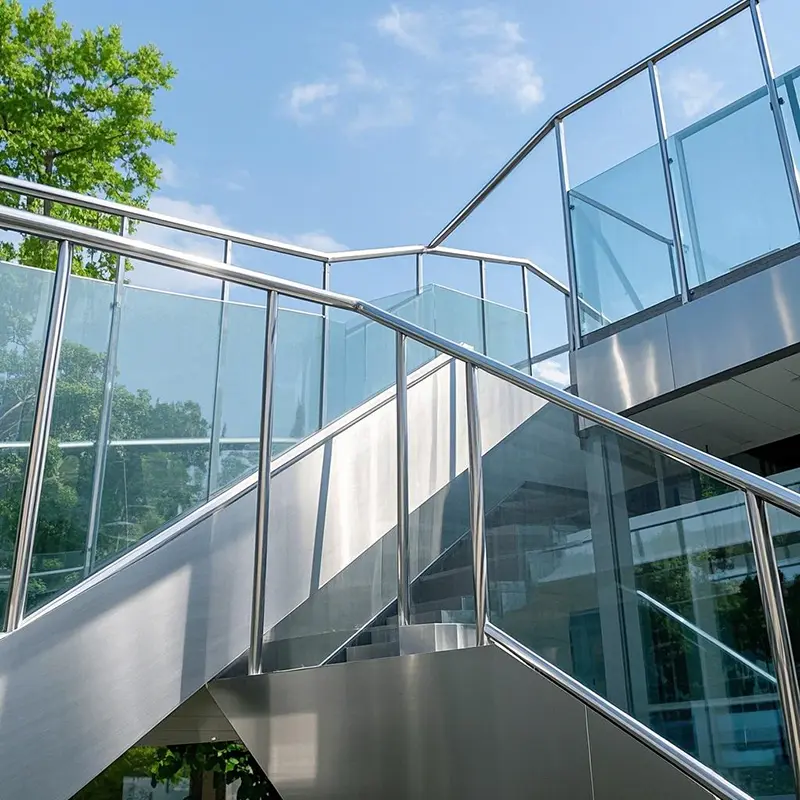
Decorative and protective construction engineering handrails and structural barriers.
Surface Textures and Testing Frameworks
Available Surface Finishes
The product line offers three distinct surface finishes to meet specific architectural and mechanical slip requirements:
Bright Surface: High-reflectivity execution calibrated to a clean (400# - 600#) light level.
Sand Surface: Textured profiling categorized by sand numbers 180#, 240#, and 320#, available in both original sand and straight sand grain directions.
Unprocessed Plain Surface: Standard cold-rolled bright surface finishing straight from the mill run.
Diagnostic Testing Protocols
To verify structural uniformity and confirm compliance with GB/T 12770-2002 parameters, specific test workflows are applied to production lots:
Surface Roughness Detection: Evaluates micro-topography parameters across polished and sanded layers.
Flattening Test: Confirms the weld seam can withstand structural flattening without cracking.
Bending Test: Evaluates wall flexibility and checks for wrinkling along angular radii.
Expanding Test: Subjects the tube opening to radial strain to verify ductile expansion limits.
Advanced Add-On Testing: Includes mechanical property test, salt mist test, water pressure test, and eddy current test tracking.
Why Choose Us
Defect-Free Welded Seams: The utilization of imported high-end welding machine equipment combined with a 26-process forming line eliminates structural leakage and weld deficiencies.
Strict Five-Dimensional Management: Absolute control over angle, flatness, brightness, bending degree, and tensile degree delivers high accuracy during site installation.
Large-Scale Manufacturing Capabilities: Operating from a 20,000-square-meter facility established in 1999, housing 133 complete sets of industrial welded assembly lines backed by 25+ years of production experience.
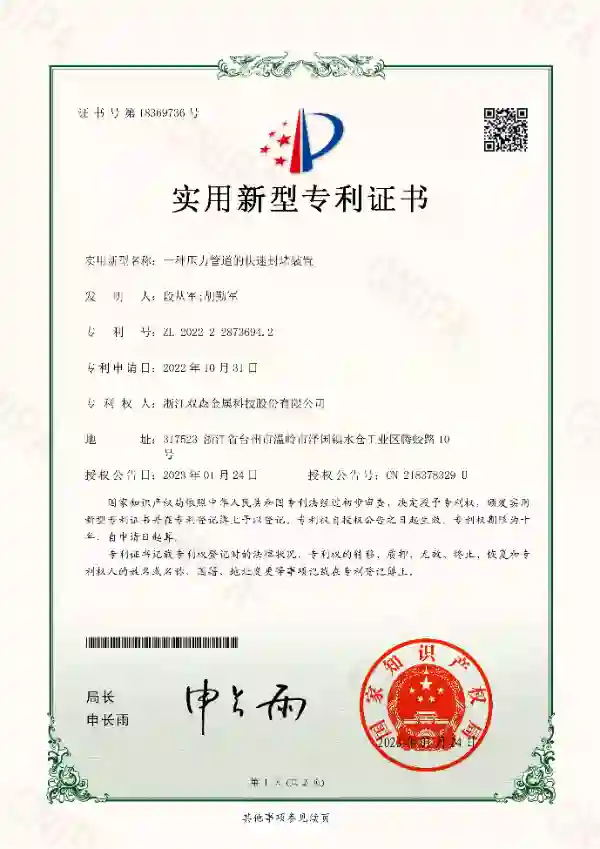
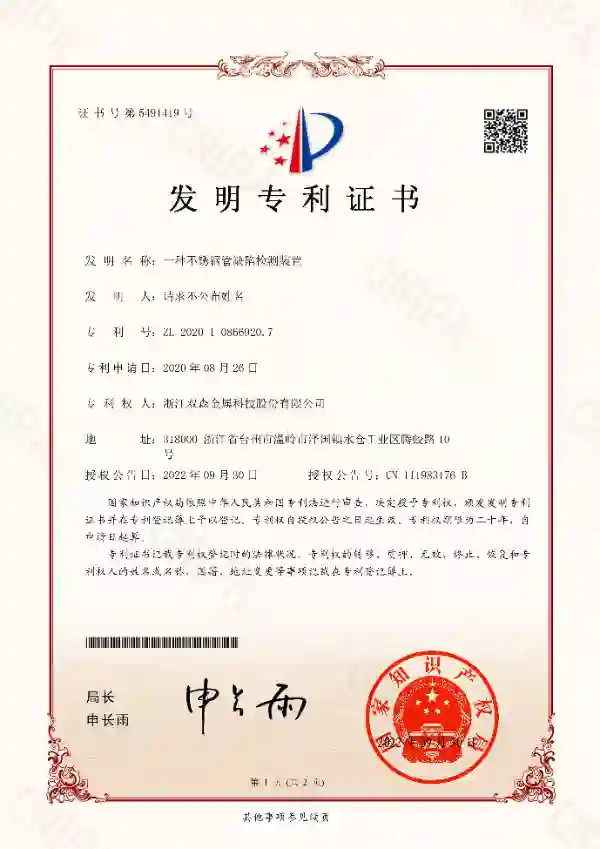
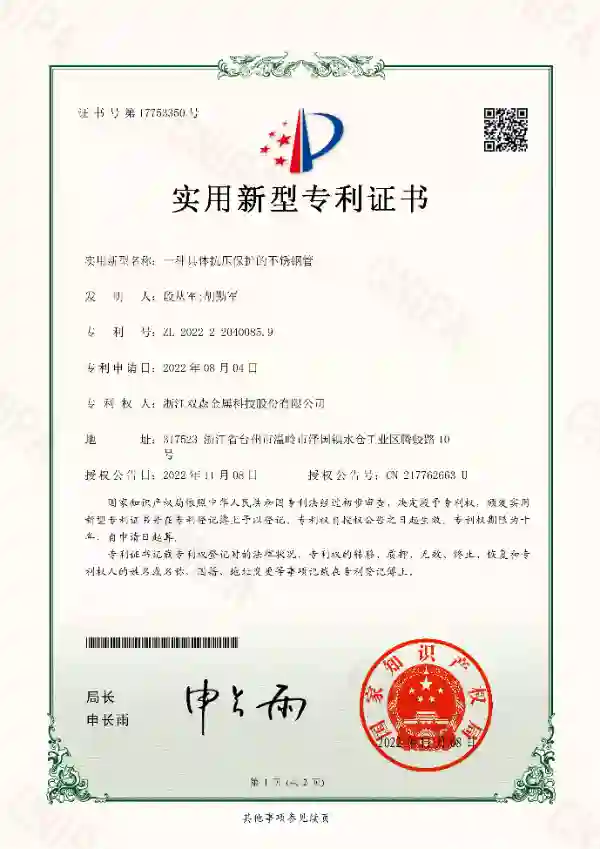
Verified Certifications: Awarded "National specialized, Refined, Unique and New" Little Giant Enterprise and "National high-tech enterprise" status.
Comprehensive Quality Management: Production matches rigorous global standards including ISO9001, ISO14001, ISO45001, and ISO13485 medical device quality certifications.
Frequently Asked Questions
What criteria should be provided when compiling an order specification?
To guarantee complete accuracy on the automated assembly line, requests must clearly specify: name of product, mark of stainless steel, precise dimensions including outside diameter tolerance, exact quantity, surface polishing specifications (sanded 180#-400# or high gloss), actual thickness, preferred packing way, and any other special requirements.
How does the product resist crack formation during structural bending?
The specialized 26-process forming method utilizing high-grade refining materials prevents metal fatigue. This allows both round and square profiles to successfully complete standard bending, flattening, and expanding tests without bursting along the weld path.
Which alloy profile is suitable for coastal transport terminals?
For high-salinity coastal environments like airports or subway stations exposed to salty fog, 316 (0Cr17Ni12Mo2) or 316L (00Cr17Ni14Mo2) should be selected. These alloys provide superior pitting resistance compared to standard 304 or 201 options.
Project Procurement and Brand Standards
Integrating high-strength Stainless Steel Pipe for Doors and Windows lines into major civil engineering or commercial projects requires absolute consistency in wall dimensions and alloy chemistry. From managing low outside diameter tolerances to running complete batches through online roundness control and bright solid melting heat treatment equipment, our processes focus on minimizing field defects. By investing continuously in premium manufacturing machinery and maintaining strict metrology validation, our factory delivers reliable performance across international structural markets, upholding the independent reputation and high excellence standards of the global Shuangsen brand.
Hot Tags: Stainless Steel Pipe for Doors and Windows, Manufacturer, Supplier, Factory
Ready to make a purchase? Request a quote or contact Shuangsen today. Our knowledgeable team is here to provide you with the best solutions for your stainless steel pipe requirements. Let's work together.
We use cookies to offer you a better browsing experience, analyze site traffic and personalize content. By using this site, you agree to our use of cookies.Privacy Policy