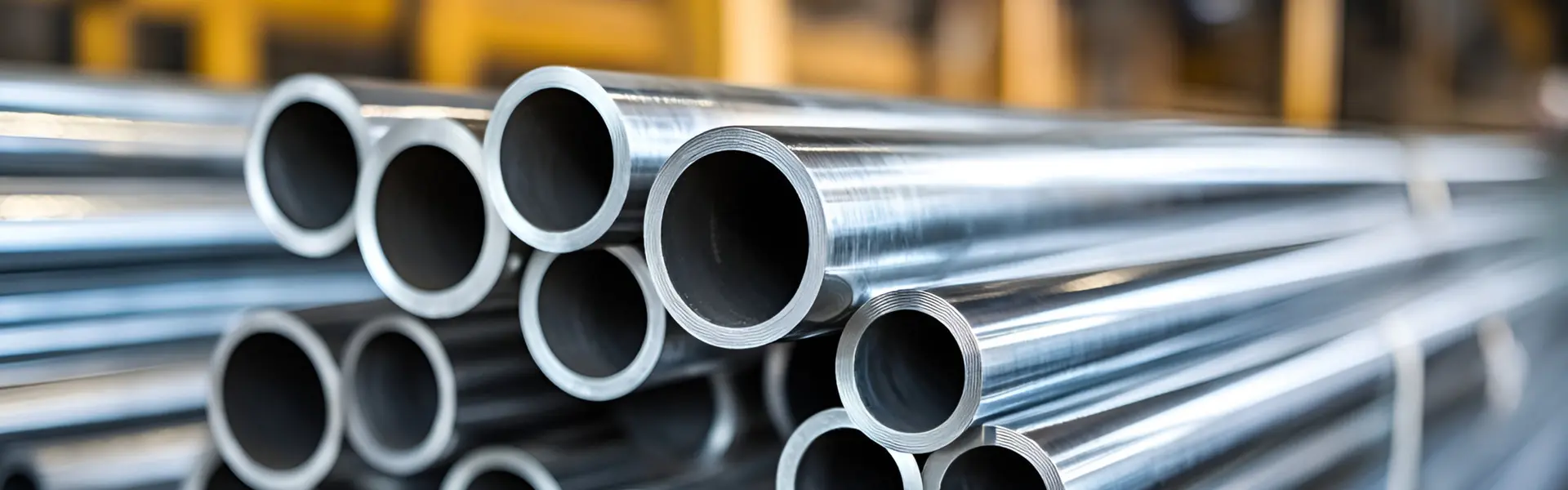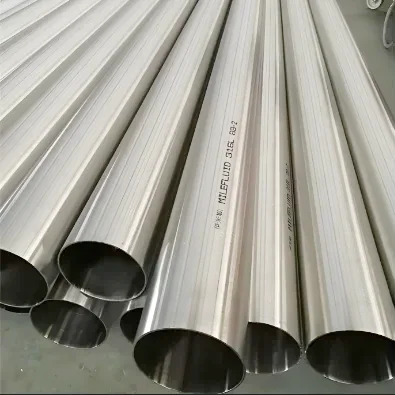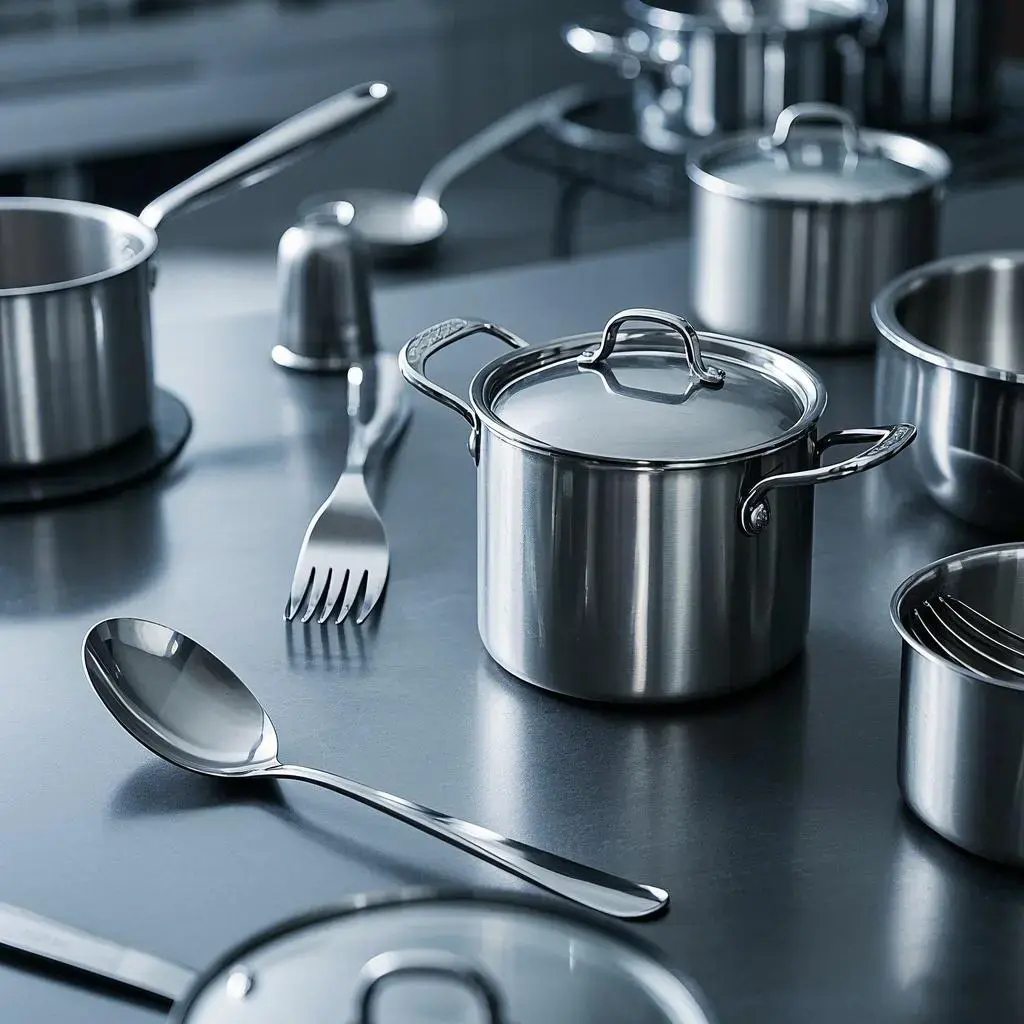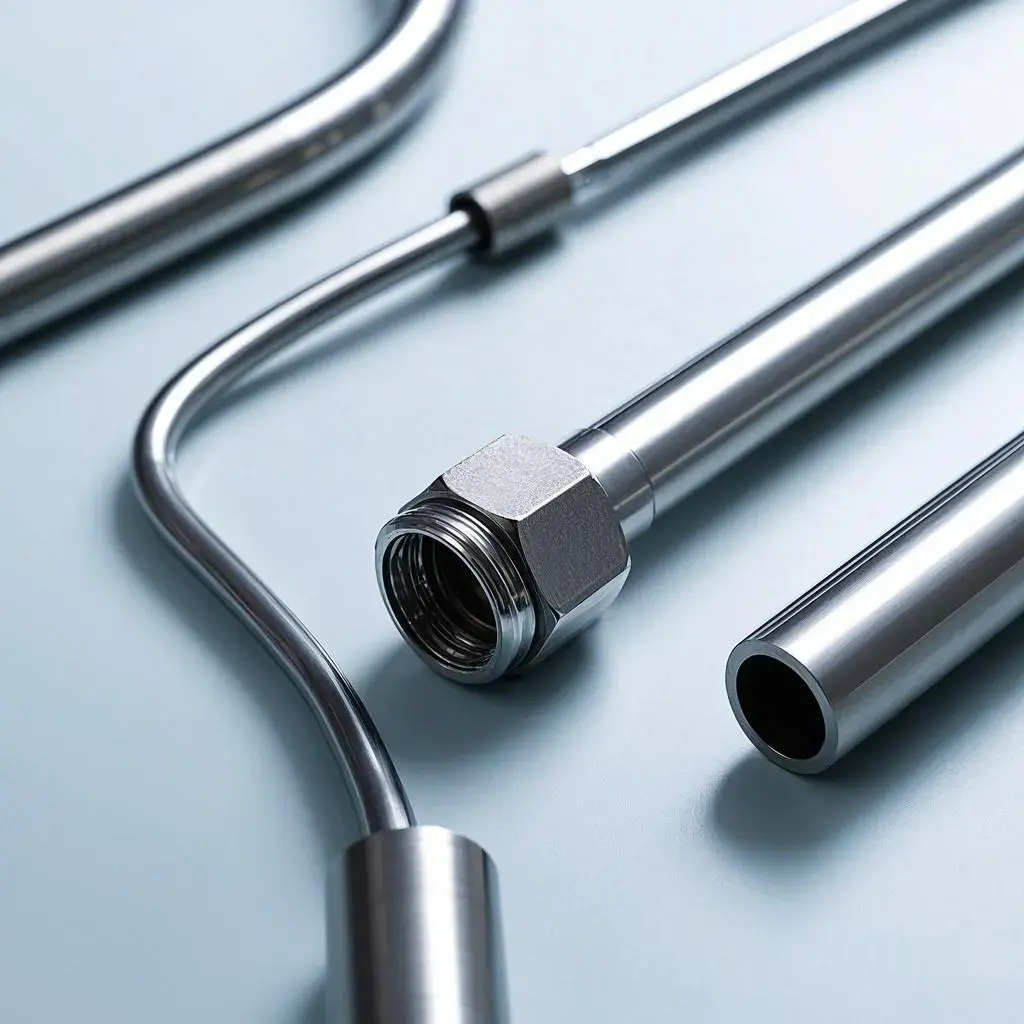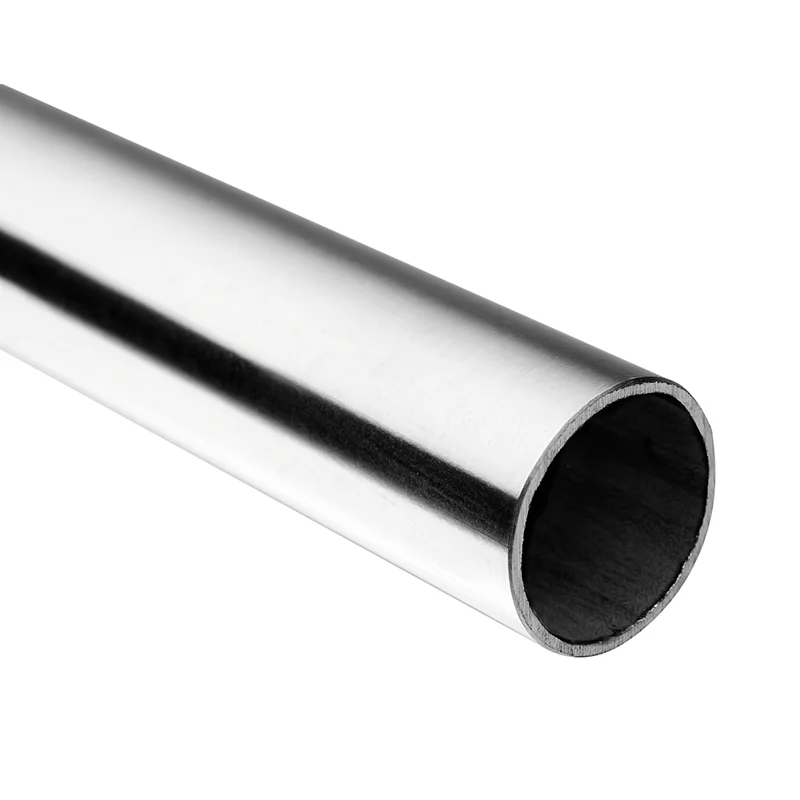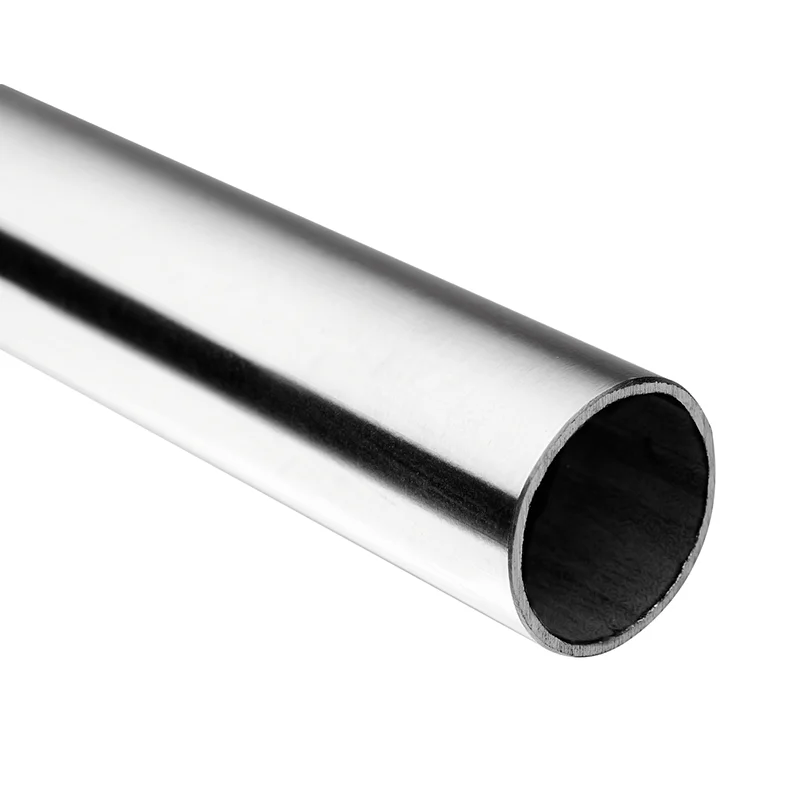
Zhejiang Shuangsen Metal Technology is a professional Stainless Steel Pipe for Food Industry manufacturer and supplier with over 25 years of experience in sanitary piping solutions. The company provides hygienic stainless steel tubing with reliable material control, advanced welding technology, and strict quality inspection for food, beverage, dairy, and high-purity processing applications.
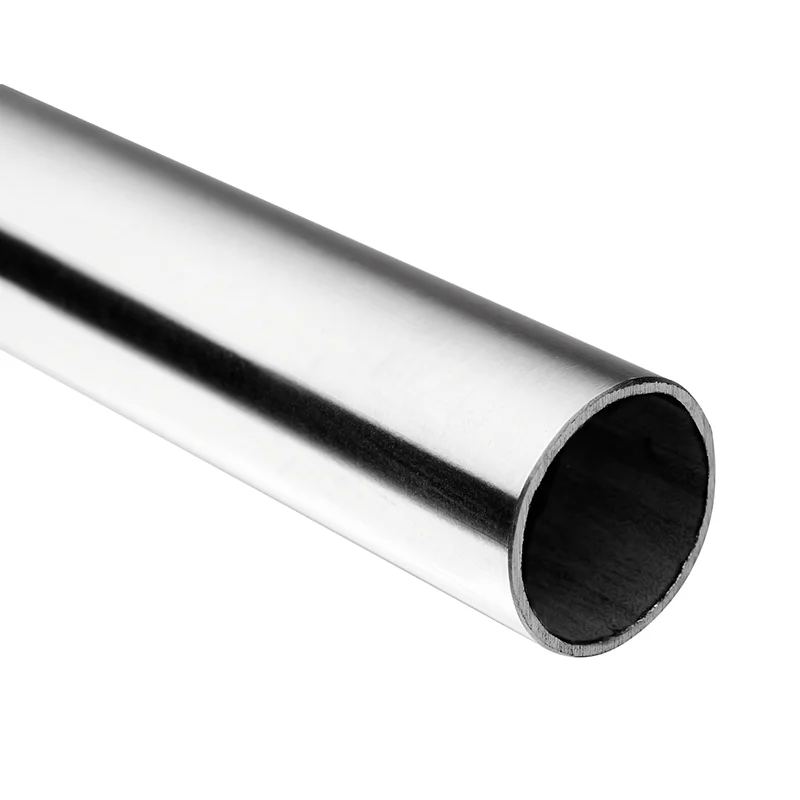
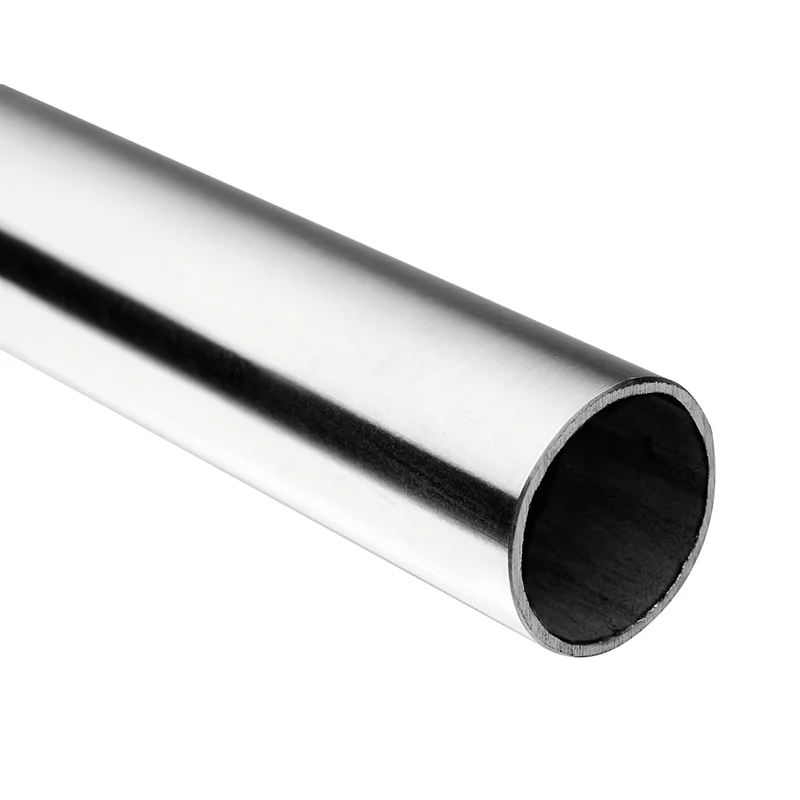
Stainless Steel Pipe for Food Industry is designed for applications where hygiene, material safety, and process stability are essential. Compared with conventional industrial piping, sanitary stainless steel tubing focuses on preventing contamination, improving cleanability, and maintaining stable performance during repeated production cycles.
Zhejiang Shuangsen Metal Technology applies professional manufacturing experience and strict process control to produce stainless steel piping solutions for food processing, beverage production, dairy systems, pharmaceutical facilities, and other industries requiring high cleanliness standards.
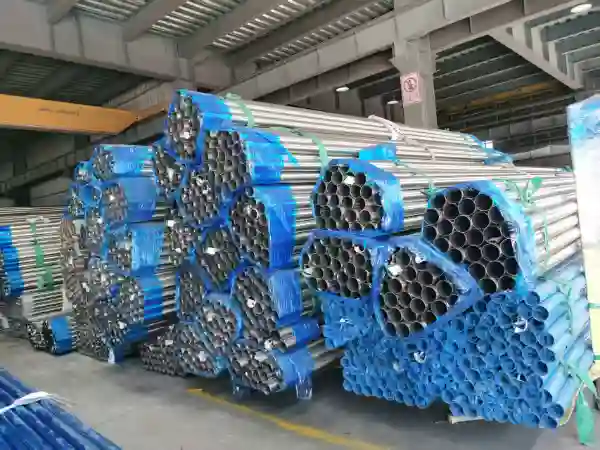
The pipes are manufactured with carefully selected stainless steel materials, controlled welding procedures, and detailed inspection processes to support reliable fluid transfer systems. From raw material verification to final testing, each production stage is managed to ensure consistent quality and dependable performance.
Hygiene is the primary requirement for food processing pipelines. The smooth inner surface of this tubing helps reduce product residue accumulation and minimizes areas where microorganisms may attach. This design supports efficient cleaning procedures and helps maintain stable sanitary conditions during production.
Food processing environments often involve water, steam, cleaning chemicals, acidic ingredients, and high-frequency washing procedures. Stainless steel materials provide reliable resistance against corrosion and help maintain pipeline performance under demanding operating conditions.
The manufacturing process uses advanced welding and heat treatment technology to improve weld consistency and dimensional stability. A controlled weld area helps ensure reliable performance during pipe installation, expansion, bending, and connection processes.
Material selection directly affects corrosion resistance, service life, and hygiene performance. Stainless steel grades are selected according to different processing environments, including general food production, beverage systems, dairy applications, and higher corrosion-resistant applications.
| Material Grade | Main Characteristics | Typical Applications |
|---|---|---|
| 304 | Good corrosion resistance, suitable for general food processing environments | Food production lines, beverage equipment, water-related systems |
| 316L | Enhanced corrosion resistance with improved performance in aggressive environments | Dairy processing, acidic food systems, pharmaceutical-related applications |
All stainless steel materials are traceable through production records. Material composition is controlled according to specified requirements, helping ensure reliable performance and consistent quality for sanitary applications.
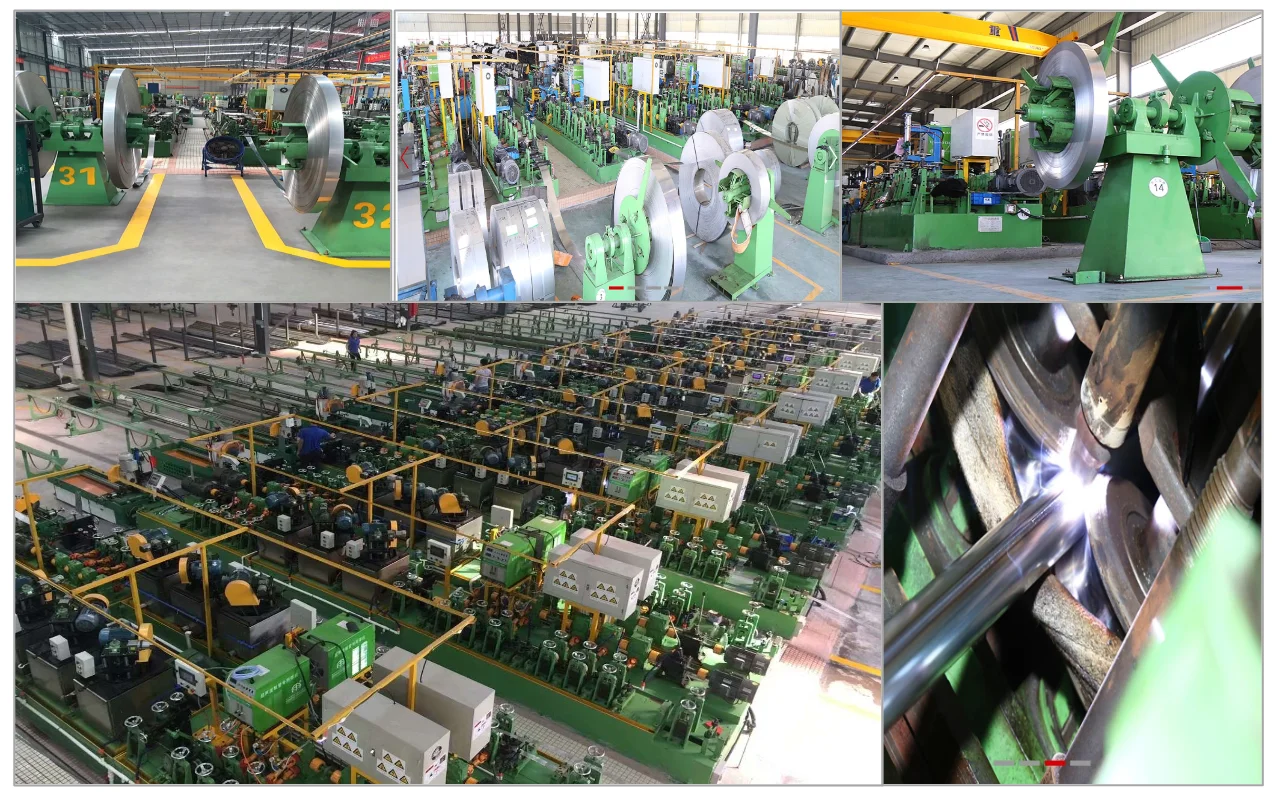
Producing Stainless Steel Pipe for Food Industry requires strict control of every manufacturing stage. Zhejiang Shuangsen Metal Technology integrates production experience, advanced equipment, and professional inspection methods to maintain product consistency.
Each batch undergoes multiple inspection procedures to verify dimensional accuracy, surface quality, and structural performance. These inspection processes help identify potential defects and ensure that finished pipes meet industrial requirements.
| Inspection Item | Purpose |
|---|---|
| Material Verification | Confirm stainless steel grade and chemical composition |
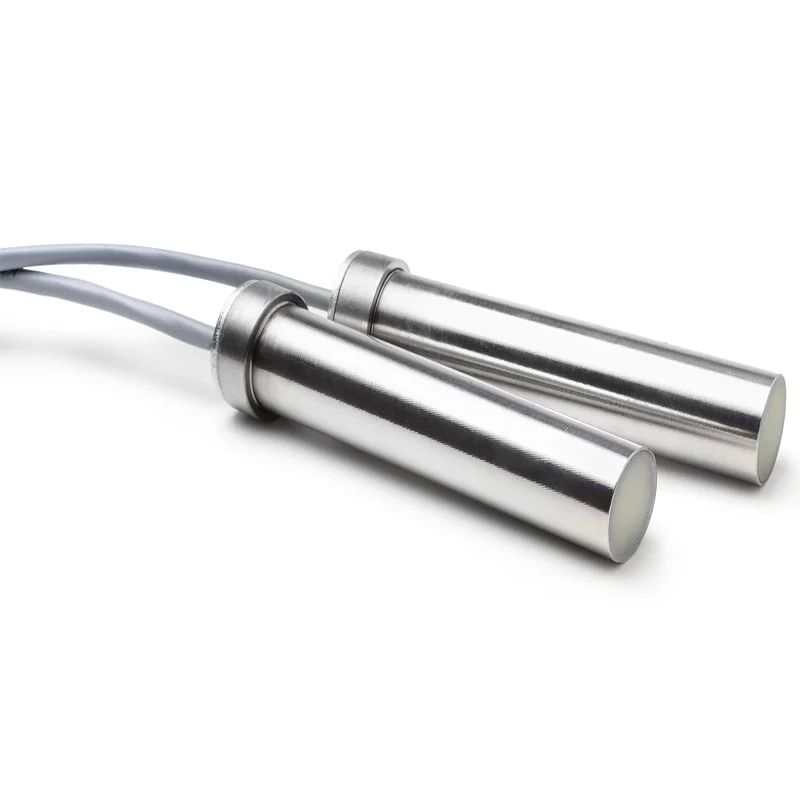
| Eddy Current Testing | Detect possible defects in weld areas and pipe body |
| Hydrostatic Testing | Verify leakage resistance and pressure performance |
| Dimensional Inspection | Check outside diameter, wall thickness, and length accuracy |
| Surface Testing | Confirm internal surface quality and finishing requirements |
The internal surface condition directly affects cleaning efficiency and product safety. Different surface finishing methods can be selected according to the requirements of food processing systems.
A properly finished surface helps reduce residue retention, supports cleaning operations, and improves the overall reliability of sanitary pipeline systems.
Manufacturing Stainless Steel Pipe for Food Industry requires strict control of dimensions, surface quality, and production consistency. Different international standards are available to meet the requirements of various sanitary pipeline systems. Dimensional accuracy is carefully controlled during production to ensure smooth installation, reliable connection, and stable operation.
| Standard | Outer Diameter (O.D.) Tolerance | Wall Thickness Tolerance | Length Tolerance |
|---|---|---|---|
| JIS G3447 |
≤25.4 mm: ±0.15 mm 25.4–31.8 mm: ±0.16 mm 31.8–38.1 mm: ±0.19 mm 38.1–76.2 mm: ±0.25 mm 76.2–101.6 mm: –0.40 mm 101.6–114.3 mm: –0.60 mm 114.3–139.8 mm: +0.40 / –0.80 mm 139.8–165.2 mm: +0.40 / –1.20 mm |
±10% | +10 mm / –0 mm |
| ASTM A269 / ASTM A270 |
≤38.1 mm: ±0.13 mm 38.1–88.9 mm: ±0.25 mm 88.9–139.8 mm: ±0.38 mm ≥139.8 mm: ±0.76 mm |
O.D. < 12.7 mm: ±15% O.D. ≥ 12.7 mm: ±10% |
+10 mm / –0 mm |
Dimensional inspection is performed with precision measuring equipment to maintain consistency across different production batches. Accurate outside diameter and wall thickness control helps ensure compatibility with fittings, valves, and processing equipment.
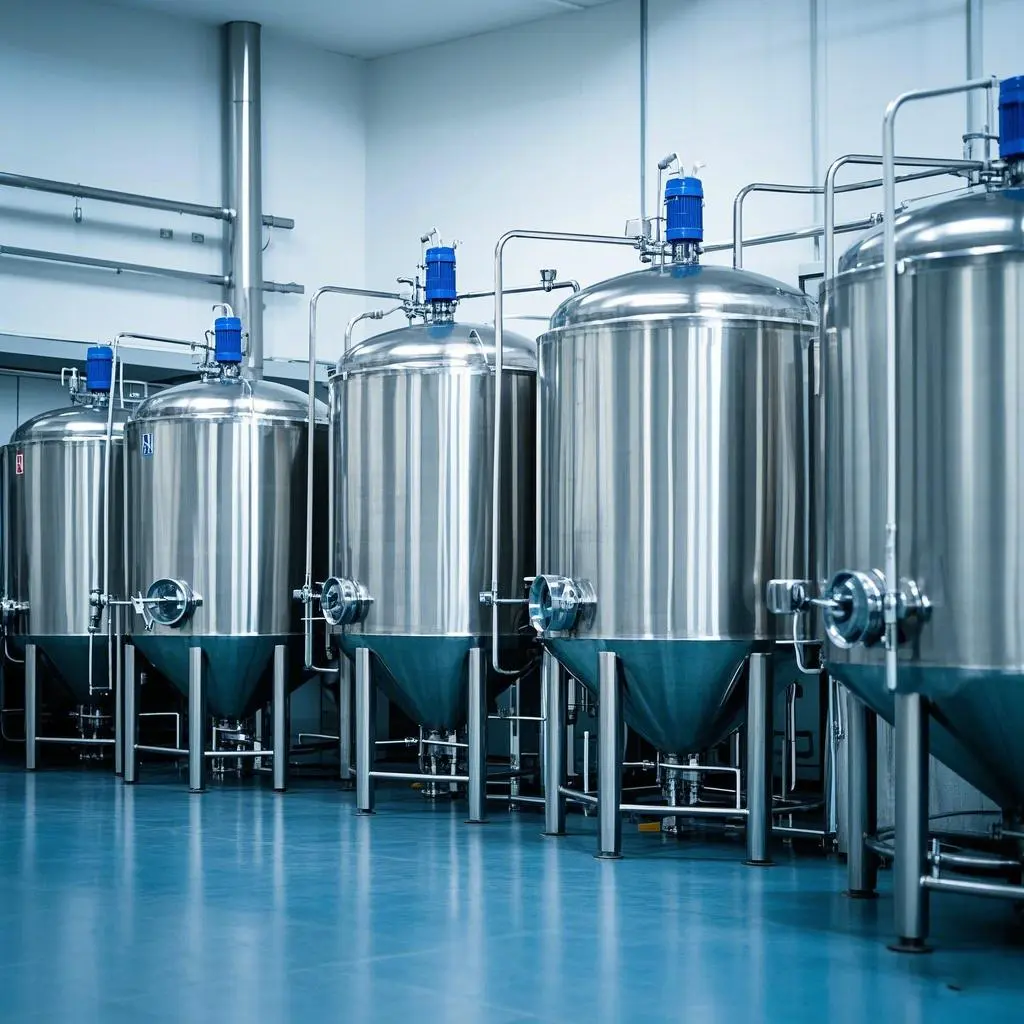
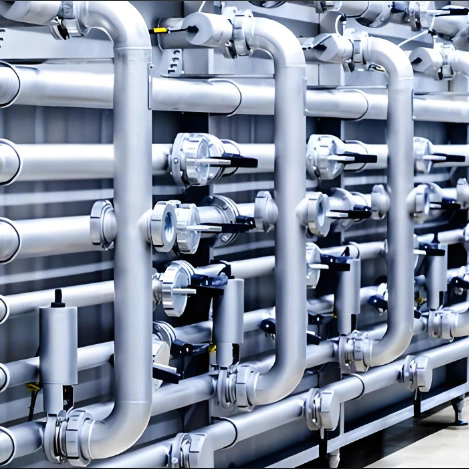
The Stainless Steel Pipe for Food Industry is widely used in industries where cleanliness, corrosion resistance, and reliable material performance are essential. The pipe design supports safe transportation of liquids, gases, and processing media in controlled environments.
| Industry | Recommended Material | Main Requirements |
|---|---|---|
| Dairy Processing | 304 / 316L | Easy cleaning, corrosion resistance, compatibility with repeated sanitation procedures |
| Beverage Production | 304 | Stable performance under frequent washing and production cycles |
| Pharmaceutical and Bioprocessing | 316L | High cleanliness requirements and controlled processing environments |
| Food Ingredient Processing | 316L | Resistance against acidic or chloride-containing materials |
| Cosmetic and Personal Care | 304 / 316L | Non-reactive surfaces and easy maintenance |
In addition to food-related applications, these sanitary stainless steel pipes can also be used in clean steam systems, high-purity gas systems, and other industries requiring reliable internal cleanliness.
Different processing facilities require different pipe sizes, connection methods, and surface conditions. Zhejiang Shuangsen Metal Technology provides flexible manufacturing options to support various pipeline designs and equipment requirements.
Technical requirements can be confirmed according to operating conditions, installation environment, and industry standards. Professional production support helps ensure the selected pipe solution matches the application requirements.
To ensure accurate production and efficient delivery, the following information should be confirmed before manufacturing:
Clear technical communication helps improve production efficiency and ensures that the finished products meet the expected application conditions.
With more than 25 years of experience in stainless steel pipe manufacturing, Zhejiang Shuangsen Metal Technology has developed professional expertise in sanitary piping production. Continuous improvement in manufacturing technology allows the company to provide stable and reliable pipeline solutions for global industrial applications.

The technical team provides professional assistance in material selection, specification confirmation, surface treatment, and application requirements. This helps create suitable stainless steel piping solutions for different industries.
Stainless steel provides corrosion resistance, durability, and a smooth surface that supports hygienic processing requirements. It is widely used where cleanliness and material stability are important.
304 stainless steel is commonly selected for general food and beverage applications. 316L stainless steel is preferred for environments requiring stronger corrosion resistance, such as acidic or chloride-containing conditions.
Available options include mechanical polishing, bright annealing, and electropolishing according to different cleanliness and application requirements.
Quality is controlled through material verification, dimensional inspection, weld inspection, pressure testing, and surface quality checks. These procedures help ensure consistent performance of each production batch.
Yes. Customized dimensions, material grades, and surface requirements can be produced according to technical specifications and production capabilities.
Quality documentation can be provided according to project requirements, including material information, inspection records, and related manufacturing documents.
Yes. The corrosion-resistant material and hygienic surface design make it suitable for systems using regular cleaning procedures, including CIP applications.
It is suitable for food processing, beverage production, dairy systems, pharmaceutical applications, cosmetic processing, and other industries requiring hygienic pipeline solutions.
Address
No.66, A Area, Daitoucai Industrial Zone, Zeguo Town, Wenling City, Taizhou, Zhejiang Province, China
Tel