News

Is Pipe for Architecture and Decoration Redefining Modern Building Design?

2026-06-22 0 Leave me a message

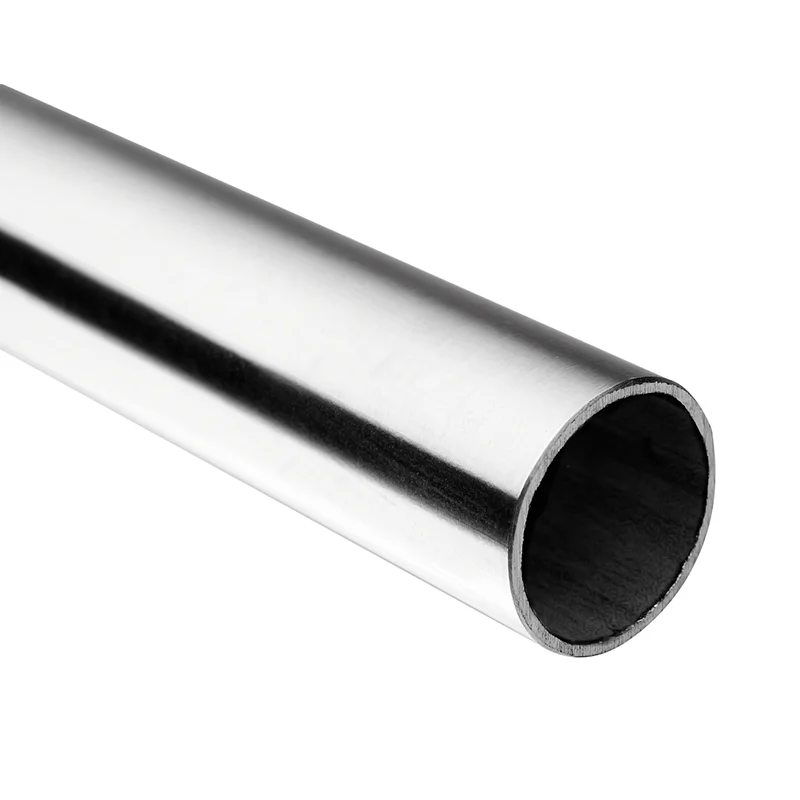
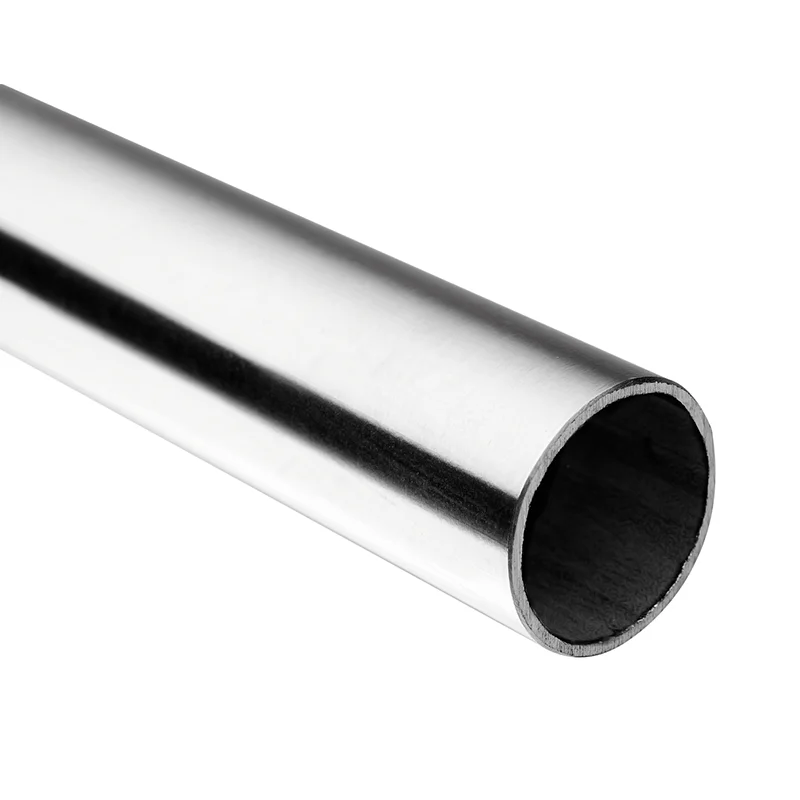
Pipe for Architecture and Decoration is increasingly becoming an essential element in contemporary building design, combining structural functionality with aesthetic value. Its application extends beyond traditional utility roles, integrating into architectural concepts that emphasize visual appeal, durability, and modern spatial design.

In recent construction and interior design developments, the Pipe  has gained significant attention due to its adaptability in both functional and decorative environments. Its material stability and surface versatility make it suitable for diverse architectural styles.

Evolution of Decorative Structural Materials

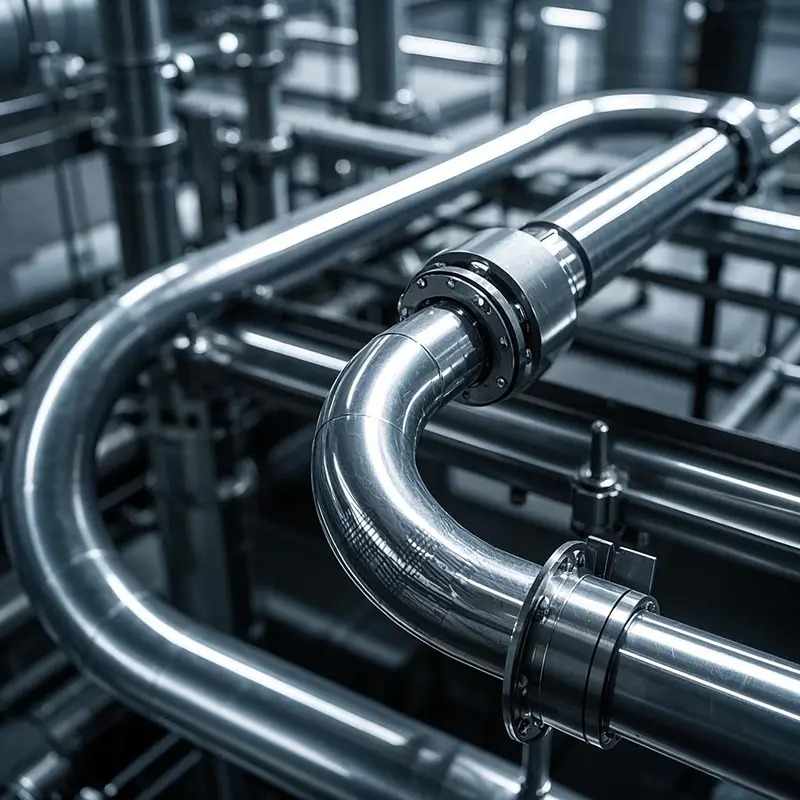
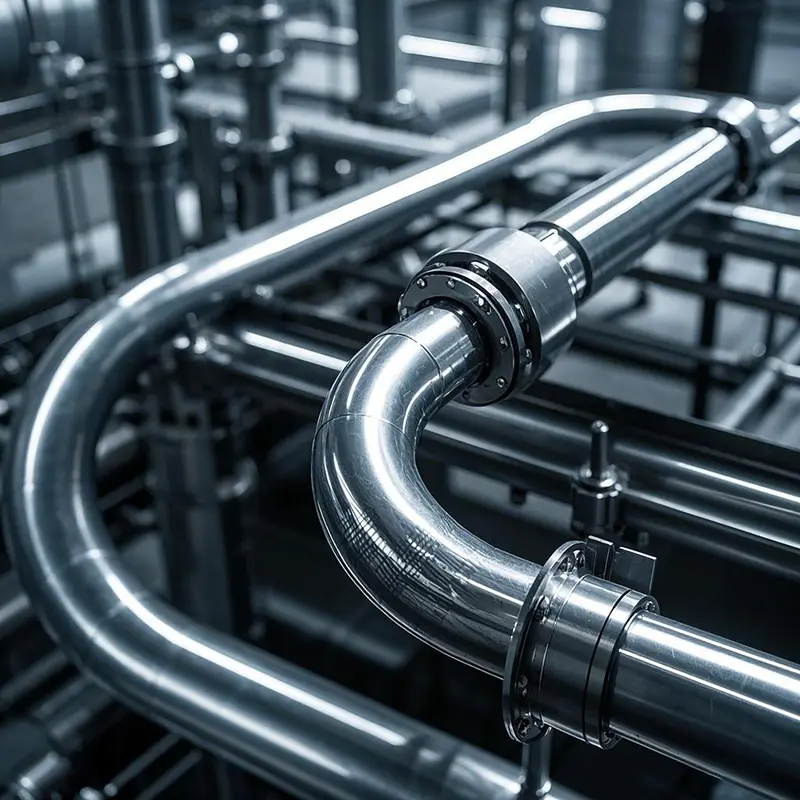
Modern architectural design has shifted toward materials that provide both structural support and aesthetic enhancement. Metal-based piping systems are now widely used in visible architectural frameworks, interior accents, and exterior installations.

Integration of Function and Aesthetics

Design concepts increasingly combine engineering strength with visual expression. Pipe-based structures are no longer hidden elements but are often exposed as part of the design language in modern architecture.

Surface Treatment Innovation

Advanced finishing techniques improve texture, brightness, and resistance to environmental factors. These enhancements allow piping systems to maintain visual appeal while ensuring long-term durability in architectural applications.

Application Scenarios in Modern Architecture

Decorative and structural pipe systems are used across multiple architectural environments. Their versatility allows integration into both interior and exterior design frameworks.

Interior Design Applications

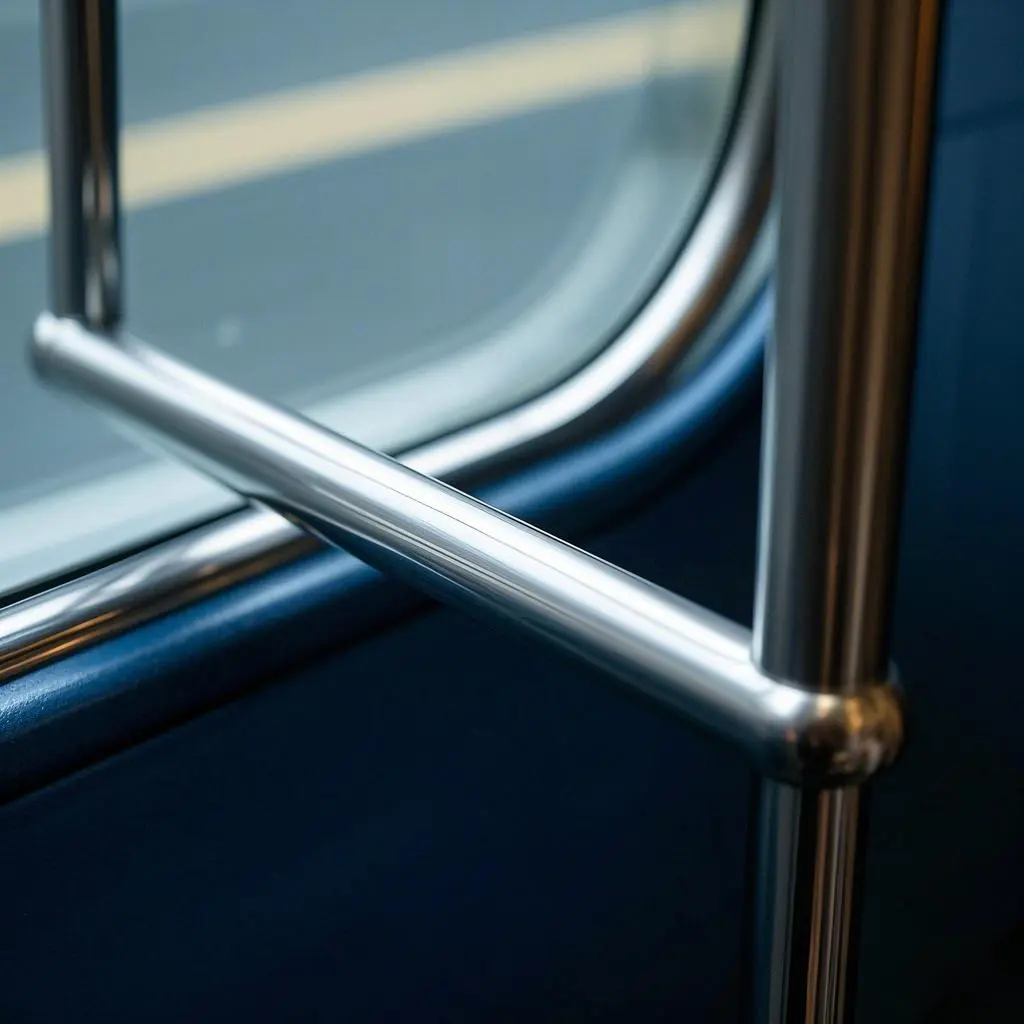
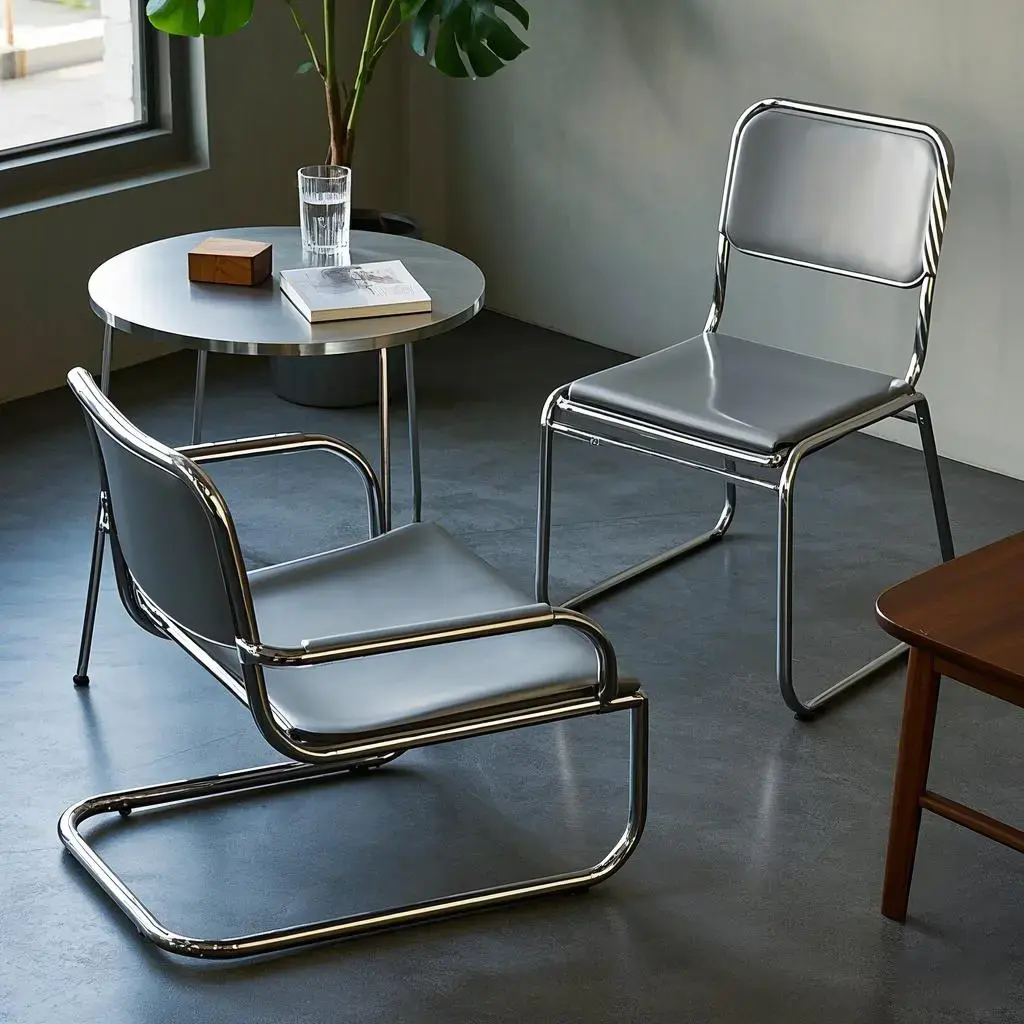
Interior spaces utilize pipe structures for handrails, frames, partitions, and decorative frameworks. These elements contribute to a modern industrial aesthetic while maintaining structural reliability.

Exterior Architectural Installations

Outdoor environments benefit from corrosion-resistant materials that maintain stability under varying environmental conditions. Decorative piping systems are used in façades, shading structures, and landscape design features.

Commercial Space Enhancement

Commercial environments such as retail spaces and exhibition halls use architectural piping systems to create visually engaging structures that enhance spatial identity and user experience.

Material Performance and Engineering Quality

The performance of Pipe for Architecture and Decoration systems depends on material composition, manufacturing precision, and surface treatment quality. These factors determine both durability and visual consistency in architectural applications.

Corrosion Resistance and Longevity

High-quality stainless materials provide strong resistance to environmental exposure. This ensures long-term stability in both indoor and outdoor installations without compromising appearance.

Structural Stability and Load Capacity

Engineering design ensures that decorative pipe systems maintain structural integrity while supporting architectural loads. This balance between strength and design flexibility is essential in modern construction.

Manufacturing Technology and Quality Control

Advanced production systems ensure that each component meets strict performance and aesthetic requirements. Precision manufacturing and automated inspection processes enhance consistency across all production stages.

Precision Forming Techniques

Controlled forming processes ensure dimensional accuracy and smooth surface finishing. These techniques improve installation compatibility and reduce structural deviation.

Surface Refinement Processes

Polishing and finishing technologies enhance visual quality while improving resistance to wear and environmental factors. These processes are essential for maintaining architectural appearance standards.

Pipe for Architecture and Decoration

Comparative Overview of Architectural Pipe Functions

Function Type Application Environment Primary Benefit
Structural Framework Building Support Systems Load bearing stability
Decorative Element Interior and Exterior Design Visual enhancement
Hybrid Design Use Commercial Architecture Combined function and aesthetics

Design Trends in Modern Construction

The demand for visually integrated structural materials continues to grow. Architects and designers increasingly prefer materials that support creative flexibility while maintaining engineering reliability.

Minimalist Industrial Aesthetic

Exposed structural elements are widely used to achieve minimalist industrial design themes. Pipe systems contribute to clean, modern visual expressions in architectural spaces.

Adaptive Spatial Design

Flexible design systems allow architectural spaces to be reconfigured without compromising structural integrity. Pipe-based frameworks support modular and adaptable construction approaches.

Environmental and Performance Standards

Modern architectural materials must comply with environmental and safety standards. Sustainable production methods and durable material selection contribute to long-term environmental responsibility.

Durability in Environmental Exposure

Pipe for Architecture and Decoration systems are designed to withstand moisture, temperature variation, and atmospheric conditions. This ensures consistent performance in diverse environments.

Maintenance Efficiency

Low maintenance requirements make these systems suitable for long-term architectural applications. Surface stability reduces the need for frequent restoration or replacement.

Functional Advantages Overview

Advantage Category Functional Outcome Design Impact
Visual Integration Unified design appearance Enhanced architectural identity
Material Stability Long-term durability Reduced structural degradation
Installation Flexibility Adaptable construction use Improved design efficiency

Future Development Direction

Architectural materials will continue evolving toward higher adaptability, improved sustainability, and enhanced visual performance. Integrated design systems will play a key role in shaping future construction trends.

Technological innovation in material processing and surface engineering will further expand the application scope of decorative and structural piping systems.

Conclusion

In conclusion, Pipe for Architecture and Decoration is redefining modern architectural design by combining structural reliability with aesthetic expression. Its versatility and performance make it an essential material in contemporary construction and interior design applications.

As design expectations continue to evolve, Pipe for Architecture and Decoration will remain a key component in achieving innovative architectural solutions that balance functionality and visual appeal.

Zhejiang Shuangsen Metal Technology Co., Ltd. continues to play a leading role in the stainless steel industry. With advanced manufacturing capabilities, strict quality control systems, and continuous innovation, the company provides high-quality pipeline solutions widely used in industrial and architectural applications. Its commitment to excellence and development supports its position as a trusted global supplier in the modern construction material sector.

Related News
Leave me a message
X
We use cookies to offer you a better browsing experience, analyze site traffic and personalize content. By using this site, you agree to our use of cookies.Privacy Policy
RejectAccept