Furniture Stainless Steel Pipe has become a cornerstone material in contemporary furniture design due to its combination of strength, aesthetic appeal, and versatility. In this deep-dive blog, we examine what it is, why it matters, how it’s used, and how to choose the right type for your needs.
This comprehensive article explores Furniture Stainless Steel Pipe and its related keyword variations—such as stainless steel tubing for furniture, furniture-grade stainless pipe, and structural stainless steel furniture pipe—through guided questions. You’ll discover what it is, how it’s made, key applications, advantages and disadvantages, selection criteria, installation tips, cost considerations, environmental impact, maintenance strategies, and FAQs. Real-world insights from companies like Zhejiang Shuangsen Metal Technology Co., Ltd. are included to bring practical context.
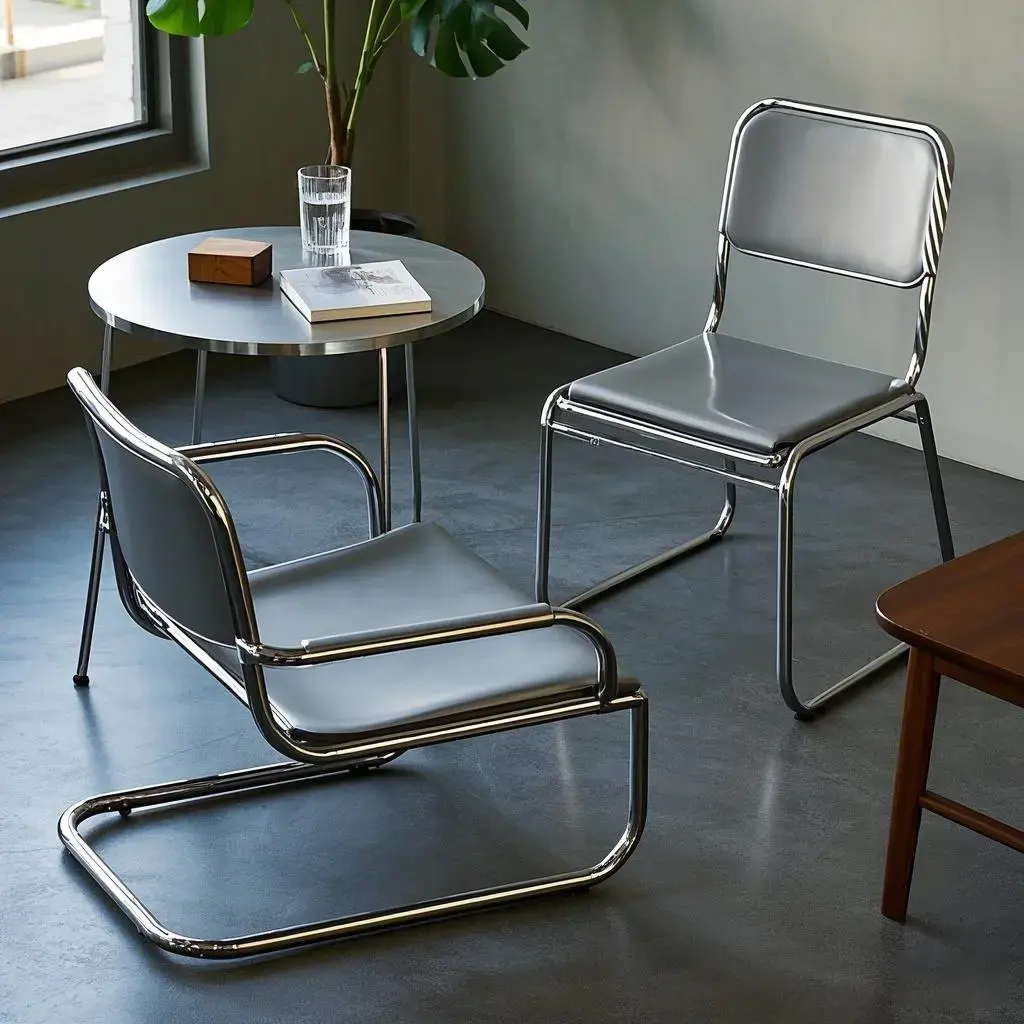
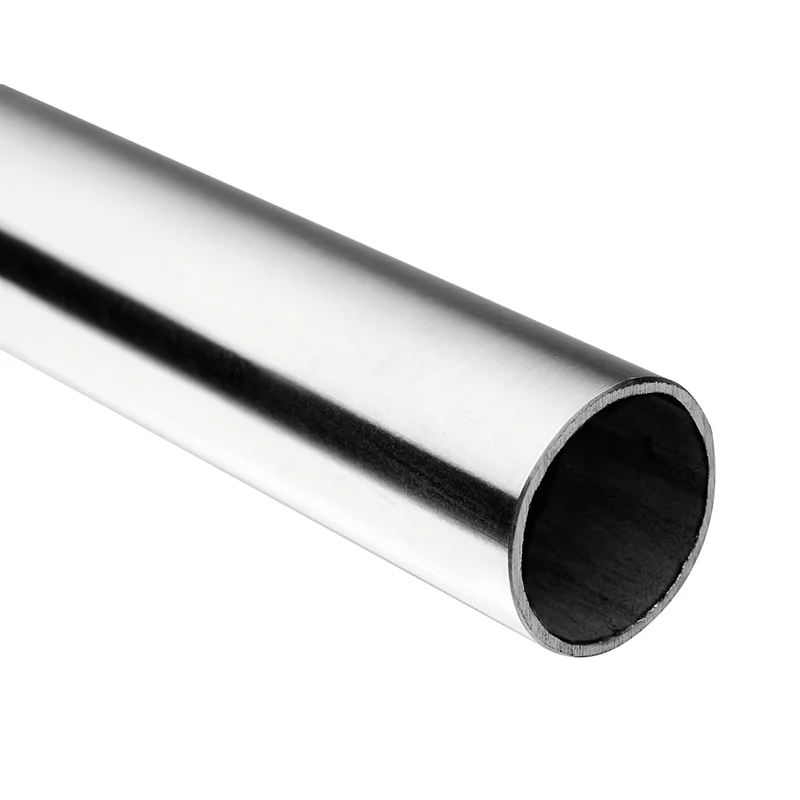
Furniture Stainless Steel Pipe refers to cylindrical steel tubing made from stainless steel alloys that are specifically engineered for use in furniture construction. Unlike ordinary steel pipes, these are finished to enhance appearance and resist corrosion, making them ideal for visible furniture elements like table legs, chair frames, shelving supports, and modular furniture systems.
Stainless steel pipes are widely chosen in furniture manufacturing for several reasons:
Manufacturers like Zhejiang Shuangsen Metal Technology Co., Ltd. supply high-quality stainless steel pipes tailored for furniture-grade performance.
There are several manufacturing processes for stainless steel pipe:
Each process results in slightly different mechanical properties, surface finishes, and cost structures. Consultation with suppliers like Zhejiang Shuangsen Metal Technology Co., Ltd. helps determine the optimal choice for specific furniture designs.
Stainless steel pipes vary by grade and form factor:
| Type | Description | Common Use |
|---|---|---|
| 304 Stainless Steel | All-purpose corrosion resistance | Indoor furniture |
| 316 Stainless Steel | Enhanced corrosion resistance | Outdoor or humid environments |
| Seamless Pipes | No welds for maximum strength | High-stress applications |
| Welded Pipes | Cost-effective and versatile | General furniture |
Understanding benefits and limitations helps make informed decisions:
| Pros | Cons |
|---|---|
| High durability and rust resistance | Higher material cost |
| Low maintenance requirements | May show fingerprints on polished surfaces |
| Modern aesthetic appeal | Heavier than some alternatives |
| Recyclable and sustainable | Requires careful welding for best performance |
Consider these selection criteria:
Suppliers like Zhejiang Shuangsen Metal Technology Co., Ltd. provide detailed spec sheets and customization options to help you tailor materials to your project requirements.
Furniture stainless steel pipes find applications in:
Maintaining stainless steel pipe furniture is straightforward:
Stainless steel is one of the most recyclable materials in manufacturing. Using recycled content reduces environmental impact and supports sustainable design practices. Properly engineered furniture stainless steel pipe can contribute to eco-conscious building strategies.
A Furniture Stainless Steel Pipe is a tubular steel product made from stainless steel alloys, designed for use in furniture frames and supports. It offers corrosion resistance, strength, and good surface finishes for visible furniture parts.
Choose 304 grade for general indoor use and 316 grade for environments with high humidity or outdoor exposure. Consult product specifications and expert suppliers like Zhejiang Shuangsen Metal Technology Co., Ltd. for precise recommendations.
Generally, stainless steel is more costly than materials like aluminum or wood, but its long-term durability and low maintenance often justify the investment.
Yes. Companies such as Zhejiang Shuangsen Metal Technology Co., Ltd. offer customization in diameter, thickness, finish, and cut-to-length services based on customer needs.
Use mild soap and water, avoid harsh chemicals, and dry with a soft cloth to maintain shine and prevent water marks.