News

Why Are Stainless Steel Product Pipes Becoming the Core of Modern Industrial Systems?

2026-06-11 0 Leave me a message

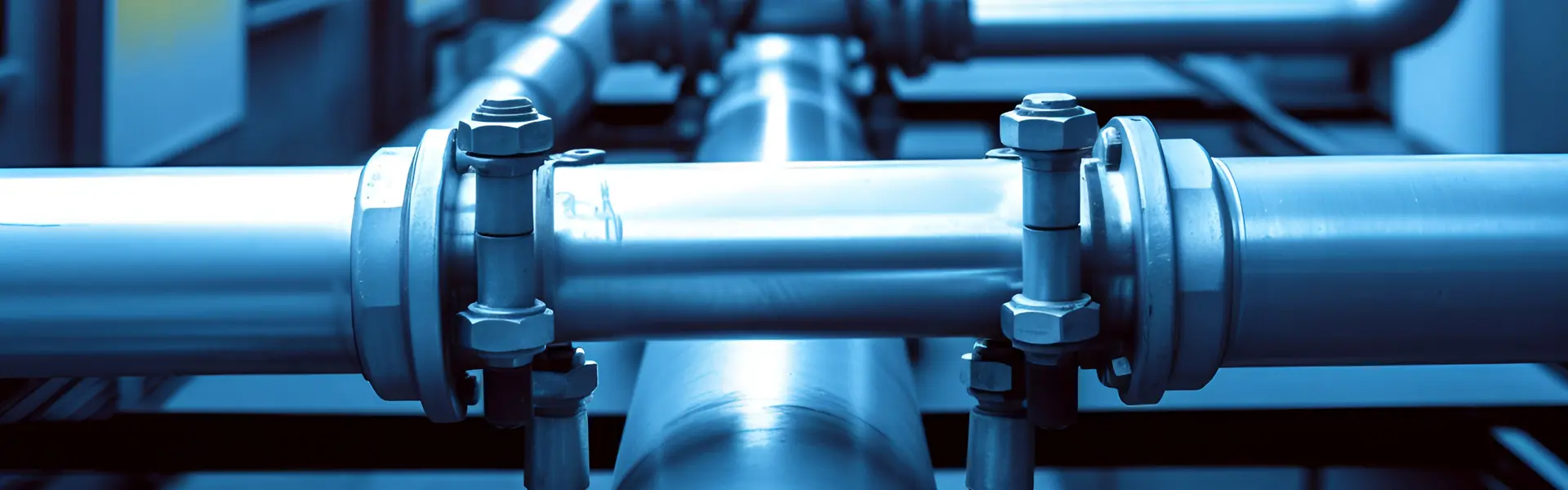
In the evolving industrial landscape, Stainless Steel Product Pipe has emerged as a critical component across multiple sectors. From energy to food processing, its versatility, durability, and resistance to corrosion have placed it at the forefront of modern engineering solutions. This article delves into the growing importance of these pipes, the technological advancements in their production, and their applications in contemporary industries.


Technological Innovations Driving the Industry

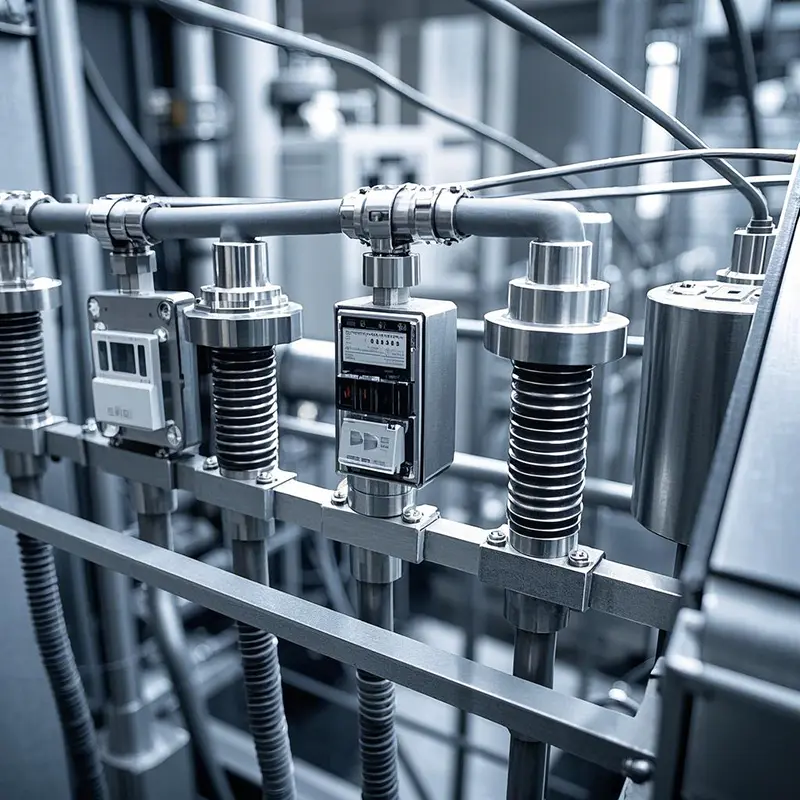
Advances in manufacturing have significantly enhanced the performance and reliability of stainless steel piping systems. The integration of online quality control systems, high-precision welding techniques, and automated surface finishing ensures that each pipe meets rigorous standards. These improvements facilitate seamless installation and long-term durability in demanding industrial environments.

Advanced Welding and Surface Treatment

Modern stainless steel pipes undergo sophisticated welding processes that guarantee structural integrity while minimizing imperfections. Surface treatments, including polishing and passivation, enhance corrosion resistance and aesthetic appeal, extending the lifespan of the pipeline systems used in sensitive applications.

Automation and Precision in Production

Automation has revolutionized stainless steel pipe manufacturing. Smart assembly lines equipped with roundness control, internal weld leveling, and heat treatment systems ensure uniformity and consistency. These processes reduce the likelihood of defects and optimize performance across various operational scenarios.

Applications Across Industries

The utility of stainless steel product pipes spans several industries. Their properties make them suitable for diverse environments, from high-temperature industrial systems to hygienic food processing lines.

Energy and Infrastructure

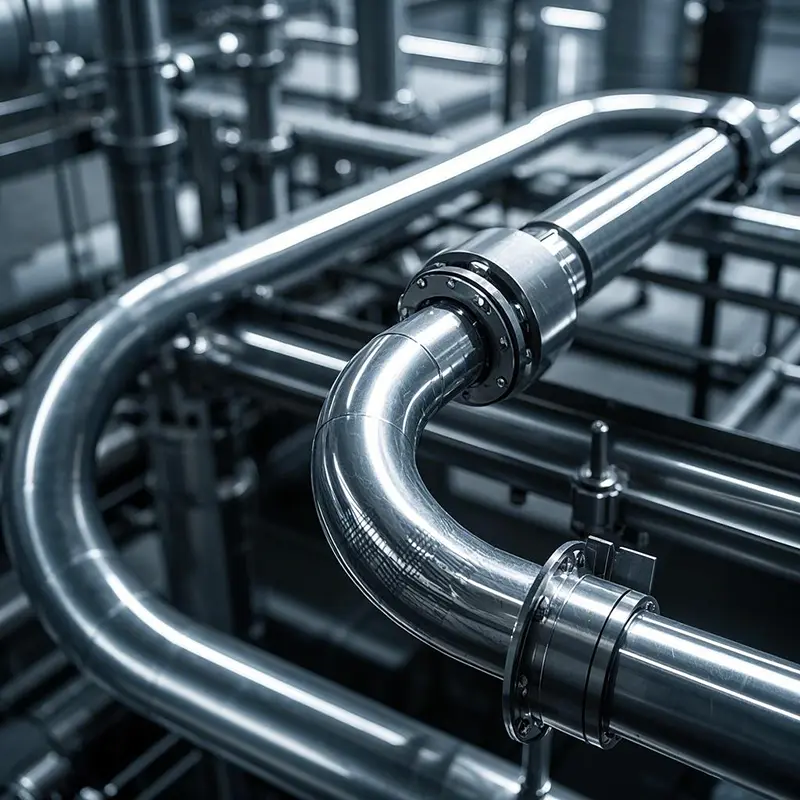
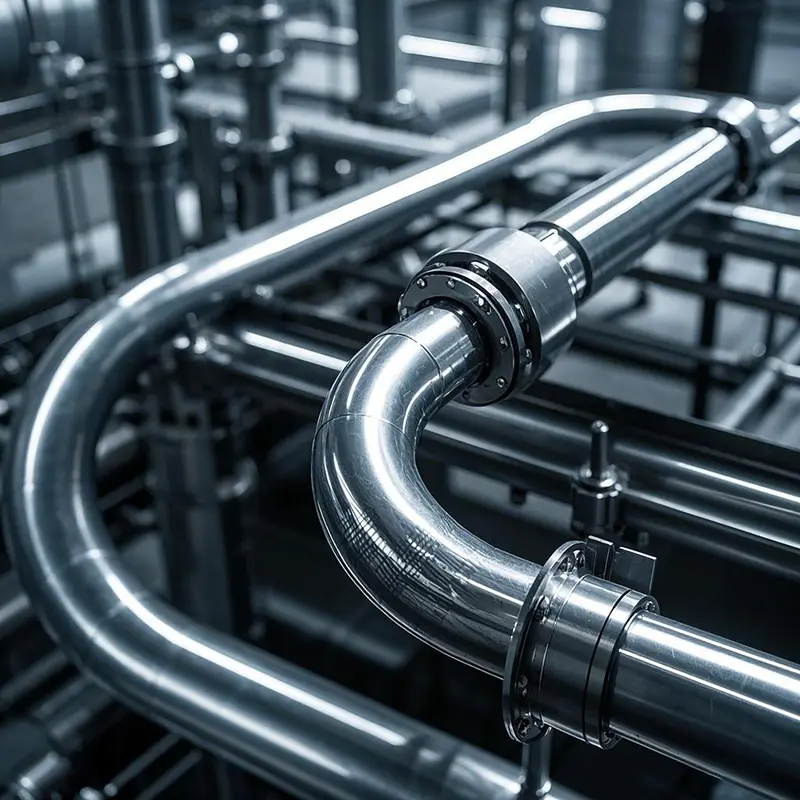
These pipes are increasingly deployed in energy generation facilities, chemical plants, and water supply systems. Their resilience to corrosion and pressure fluctuations ensures reliable performance in critical infrastructure projects.

Food and Beverage Processing

In the food and beverage sector, stainless steel piping is indispensable. It maintains hygiene standards while providing durability for processing lines, beverage distribution systems, and temperature-controlled environments.

Cooling Systems and High-Tech Applications

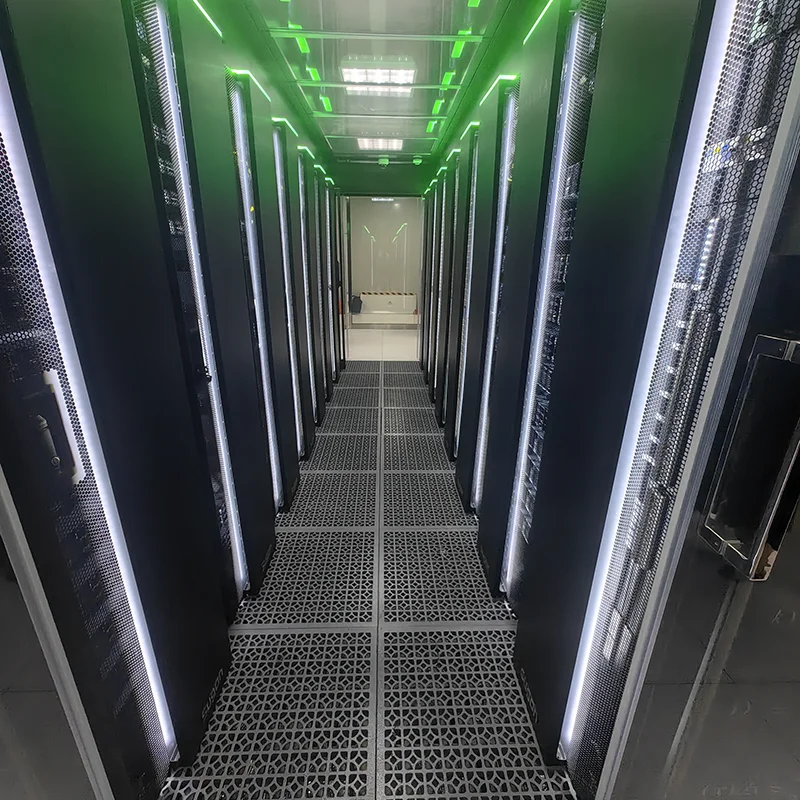
High-efficiency data centers and AI computing facilities require robust cooling solutions. Stainless steel pipes are used in these environments for their thermal conductivity, corrosion resistance, and ability to handle complex coolant circulation systems.

Environmental and Quality Compliance

With growing regulatory scrutiny, compliance with environmental and safety standards is paramount. Manufacturers of stainless steel pipes adhere to international certifications, including ISO quality, environmental management, and occupational health standards. This ensures that products not only perform reliably but also contribute to sustainable industrial practices.

Durability and Reliability Testing

Before entering the market, stainless steel pipes undergo comprehensive testing. Tensile strength, corrosion resistance, and pressure endurance are evaluated to ensure consistent quality. This rigorous testing framework guarantees that each product meets the high expectations of industrial clients worldwide.

Market Trends and Global Demand

The global demand for stainless steel product pipes continues to rise. Industries are prioritizing longevity, cost-efficiency, and minimal maintenance requirements. As a result, suppliers are innovating to provide customized solutions tailored to specific operational needs.

Customization and Client-Centric Solutions

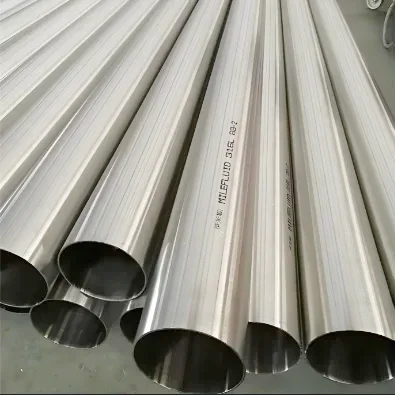
Modern pipeline projects require precise specifications and bespoke configurations. Stainless steel pipes are now offered in various diameters, thicknesses, and material grades, accommodating unique project requirements without compromising on quality or reliability.

Supply Chain and Logistics Considerations

Efficient distribution and timely delivery of stainless steel products are critical. Manufacturers strategically locate production facilities near key ports and industrial hubs to optimize logistics, reduce lead times, and ensure consistent supply to global markets.

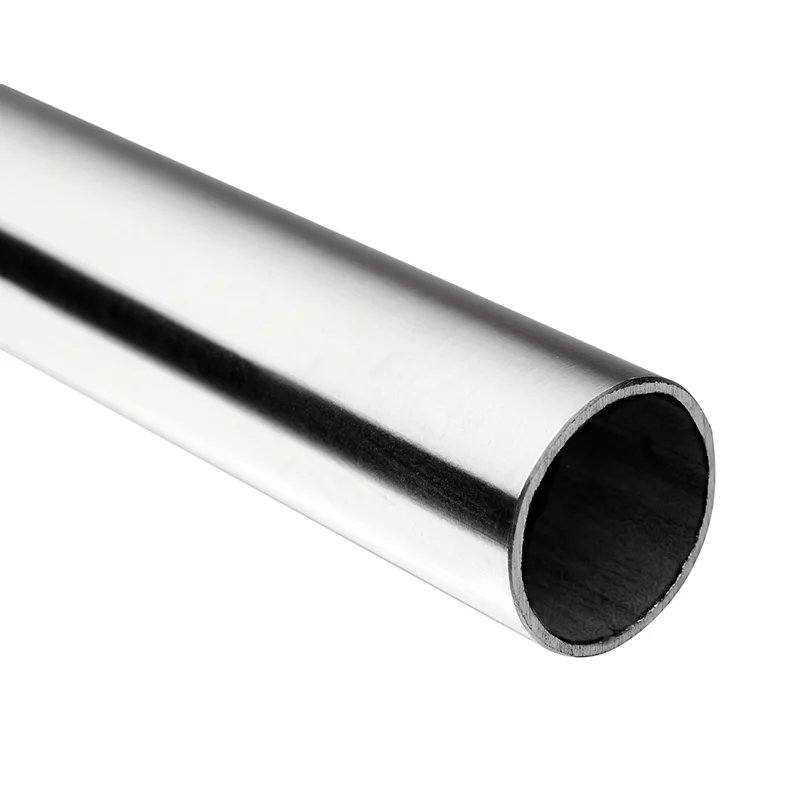
Stainless Steel Product Pipe

Comparative Overview of Stainless Steel Pipe Types

Type Typical Application Key Advantage
Seamed Stainless Steel Pipes Construction and Plumbing Cost-effective with reliable strength
Welded Stainless Steel Pipes Industrial and Energy Systems High pressure resistance and durability
Customized Pipes Specialized Manufacturing Lines Tailored specifications for unique needs

Conclusion

In conclusion, Stainless Steel Pipe continues to shape the efficiency and reliability of modern industrial systems. Its unmatched combination of strength, corrosion resistance, and adaptability makes it indispensable across sectors. Manufacturers who integrate innovation and quality control lead the way in delivering high-performance solutions. Companies like Zhejiang Shuangsen Metal Technology Co., Ltd. exemplify this leadership, providing a wide range of stainless steel pipes that meet international standards and diverse application needs. As industries evolve, the adoption of these pipes remains a critical factor in achieving sustainable, high-performance infrastructure.

With Stainless Steel Product Pipe at the core of engineering solutions, the future of pipeline systems is set to be more efficient, reliable, and environmentally conscious.

Related News
Leave me a message
X
We use cookies to offer you a better browsing experience, analyze site traffic and personalize content. By using this site, you agree to our use of cookies.Privacy Policy
RejectAccept