News

Why Is Stainless Steel Pipe For Liquid Cooling Data Center Infrastructure Becoming the Preferred Choice for High-Efficiency Data Centers

2026-07-15 0 Leave me a message

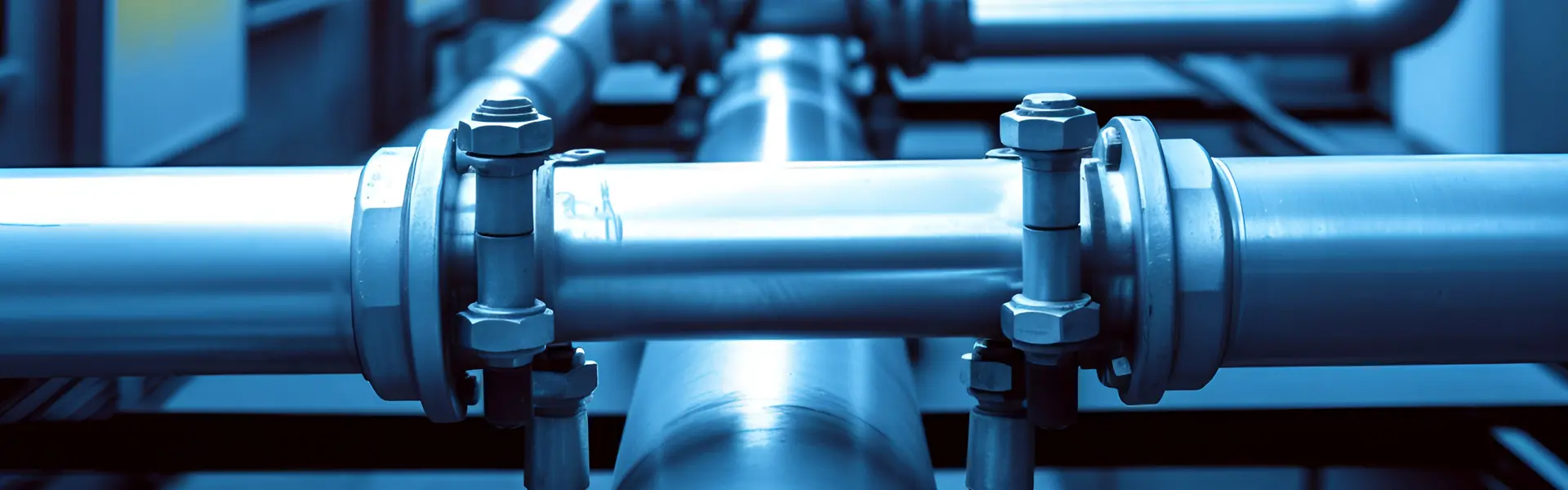
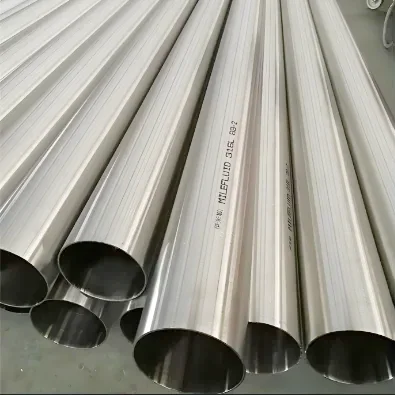
As global computing demand continues to grow, Shuangsen provides high-performance Stainless Steel Pipe For Liquid Cooling Data Center Infrastructure solutions designed for reliable coolant transportation, outstanding corrosion resistance, and long-term operational stability. Compared with conventional piping systems, stainless steel piping offers higher pressure resistance, lower maintenance costs, and excellent compatibility with modern liquid cooling technologies, making it an ideal choice for next-generation AI data centers and HPC facilities.

Liquid cooling is rapidly replacing traditional air cooling in modern data centers because of its superior thermal management capabilities and improved energy efficiency. Among all pipeline materials, stainless steel has emerged as the preferred solution due to its durability, corrosion resistance, hygienic performance, and long service life. This article explains why Stainless Steel Pipe For Liquid Cooling Data Center Infrastructure is becoming increasingly important, explores its key technical advantages, compares it with alternative materials, and provides practical guidance for selecting the right piping system for high-performance computing environments.

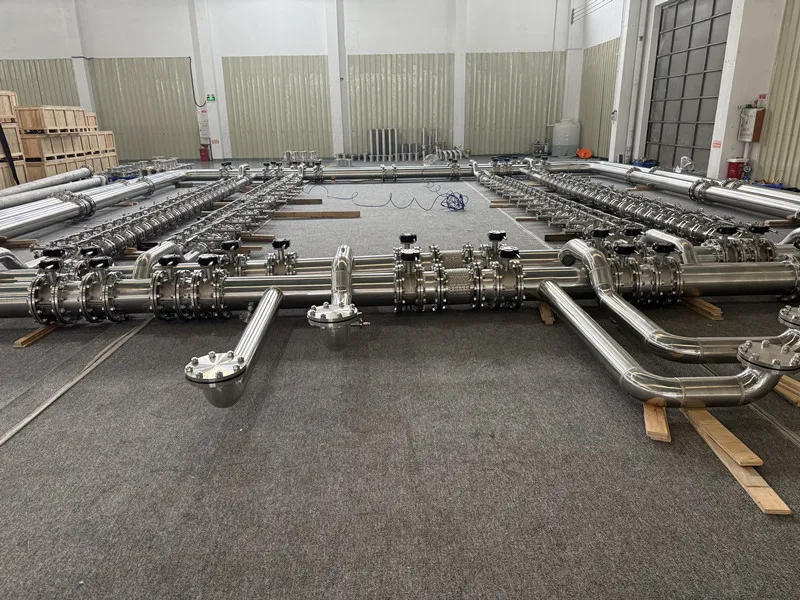
Stainless Steel Pipe For Liquid Cooling Data Center Infrastructure

Contents


Why Liquid Cooling Is Reshaping Modern Data Centers

Artificial intelligence, cloud computing, machine learning, and high-performance computing continue to increase server power density. Traditional air cooling systems are approaching their physical limitations, particularly in facilities where rack power exceeds 30 kW or even 100 kW. Liquid cooling technology addresses these challenges by transporting heat directly away from processors through circulating coolant, significantly improving thermal efficiency.

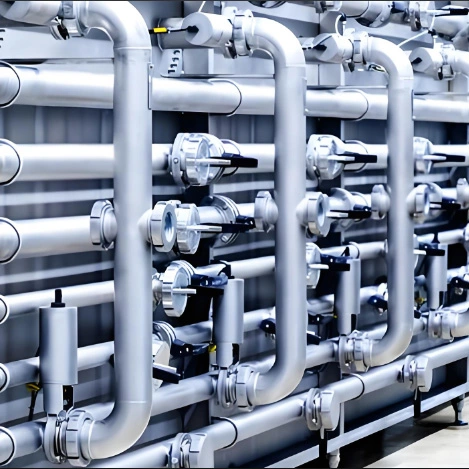
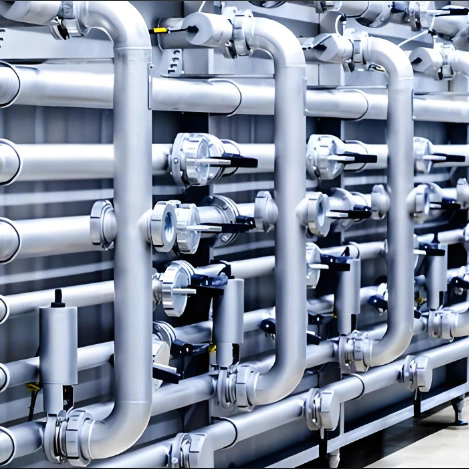
The piping network is the backbone of every liquid cooling system. It continuously delivers coolant between cooling distribution units, heat exchangers, server racks, and monitoring equipment. Any leakage, corrosion, or structural failure may result in costly downtime. Therefore, selecting a reliable piping material is one of the most important engineering decisions for data center infrastructure.

Stainless steel piping provides exceptional mechanical strength and excellent resistance to temperature fluctuations, making it suitable for continuous 24/7 operation in mission-critical environments.


Benefits of Stainless Steel Pipe For Liquid Cooling Data Center Infrastructure

Stainless steel has become one of the most trusted materials for liquid cooling networks because it combines mechanical durability with outstanding corrosion resistance. Unlike carbon steel or certain plastic materials, stainless steel maintains structural integrity over decades of continuous service.

Superior Corrosion Resistance

Cooling fluids often contain additives designed to prevent biological growth and improve thermal transfer. Stainless steel exhibits excellent compatibility with these fluids while resisting oxidation and chemical corrosion. This helps preserve coolant purity and reduces maintenance frequency.

Excellent Pressure Performance

Modern liquid cooling systems frequently operate under varying pressures and temperatures. Stainless steel pipes withstand these operating conditions without deformation, ensuring stable coolant circulation even during peak computational loads.

Outstanding Temperature Resistance

From chilled water systems to warm-water cooling technologies, stainless steel maintains consistent mechanical properties across a wide operating temperature range, minimizing risks associated with thermal expansion and contraction.

Long Service Life

  • High fatigue resistance
  • Excellent structural stability
  • Minimal maintenance requirements
  • Reduced replacement costs
  • Outstanding lifecycle value

Environmentally Sustainable

Stainless steel is fully recyclable and supports green building initiatives. Its long lifespan also reduces material waste compared with piping systems requiring frequent replacement.


Comparison with Other Pipe Materials

Choosing the appropriate piping material requires evaluating mechanical strength, corrosion resistance, maintenance costs, and expected service life. The following comparison illustrates why stainless steel is widely favored for mission-critical cooling systems.

Property Stainless Steel Carbon Steel Copper Plastic (PPR/PVC)
Corrosion Resistance Excellent Moderate Good Good
Pressure Capacity Excellent High Medium Low
Temperature Resistance Excellent Good Good Limited
Maintenance Very Low High Medium Medium
Expected Service Life 40+ Years 15–25 Years 20–30 Years 15–20 Years

Although stainless steel may require a slightly higher initial investment, its durability, reduced maintenance requirements, and lower lifecycle costs provide significant economic advantages for hyperscale and enterprise data centers.


Typical Applications in Modern Data Centers

The versatility of Stainless Steel Pipe For Liquid Cooling Data Center Infrastructure allows it to support multiple liquid cooling architectures across different computing environments.

  • Direct-to-chip cooling systems
  • Immersion cooling circulation loops
  • Cooling Distribution Units (CDUs)
  • Rear-door heat exchanger systems
  • High-density AI computing clusters
  • Cloud computing facilities
  • Edge computing infrastructure
  • Telecommunication data centers
  • Financial computing platforms
  • Scientific research supercomputers

These applications demand continuous reliability, minimal leakage risk, and consistent coolant quality. Stainless steel piping fulfills these requirements while supporting future infrastructure upgrades as computing density continues to increase.


How to Select the Right Stainless Steel Pipe

Selecting the appropriate Stainless Steel Pipe For Liquid Cooling Data Center Infrastructure requires more than simply matching pipe dimensions. Engineers should evaluate the complete operating environment, including coolant composition, working pressure, flow rate, future expansion plans, and maintenance accessibility. A properly designed piping system improves thermal efficiency while minimizing operational risks.

Choose the Appropriate Stainless Steel Grade

For most liquid cooling systems, 304 stainless steel provides excellent corrosion resistance and cost-effectiveness. In environments exposed to higher chloride concentrations or more aggressive cooling media, 316L stainless steel offers superior corrosion resistance and longer service life.

Consider Pressure and Flow Requirements

The internal diameter and wall thickness directly affect coolant velocity and pressure loss. Proper sizing ensures efficient heat transfer while reducing pump energy consumption.

Evaluate Connection Methods

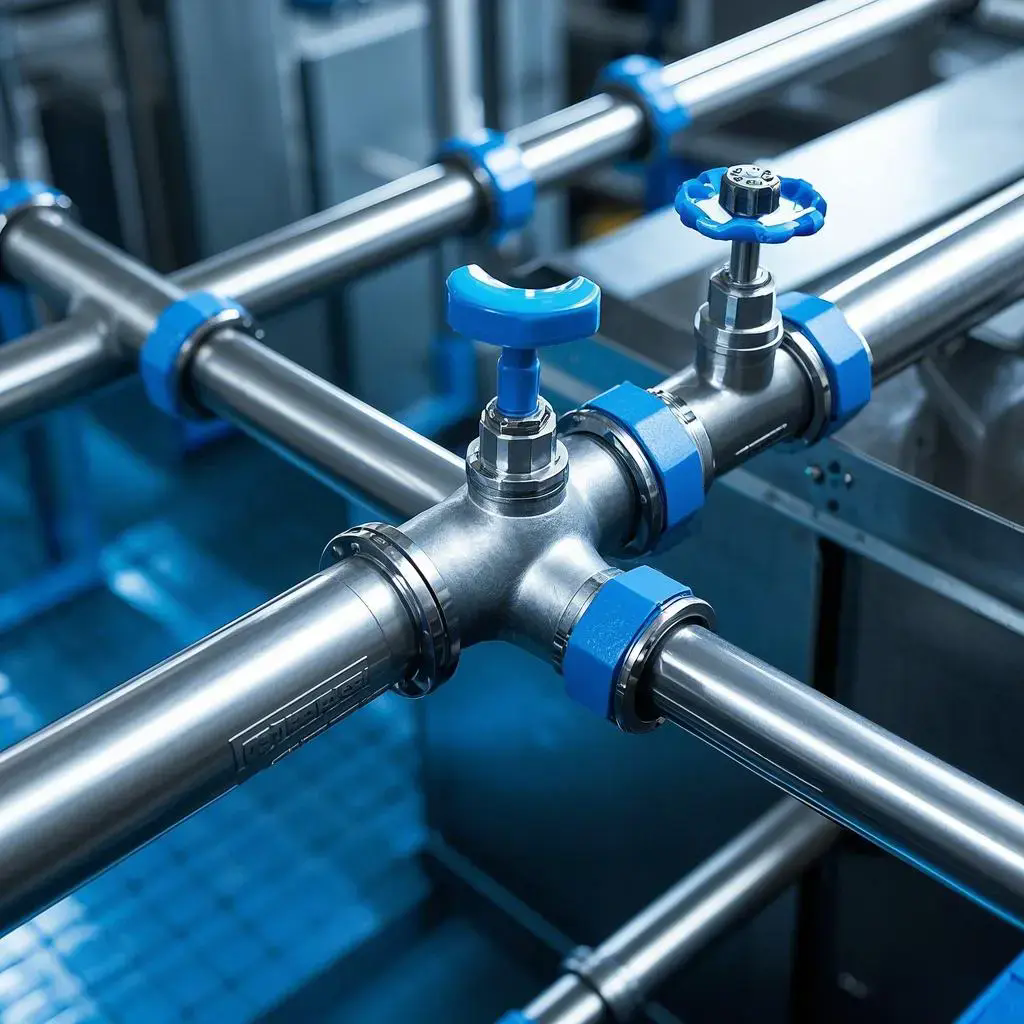
  • TIG welded joints for permanent installations
  • Orbital welding for high-purity systems
  • Grooved couplings for faster installation
  • Compression fittings for maintenance flexibility
  • Flanged connections for large-diameter pipelines

Verify Manufacturing Quality

Reliable suppliers typically perform dimensional inspections, hydrostatic pressure testing, surface finishing inspections, and material composition verification to ensure consistent product quality.


Installation Best Practices

Even premium piping materials require proper installation to achieve maximum reliability. Following recognized engineering standards helps minimize leakage risks and extends the service life of the cooling infrastructure.

Recommended Installation Practices

  • Inspect all pipes before installation.
  • Keep internal pipe surfaces clean to avoid contamination.
  • Support pipelines adequately to prevent vibration.
  • Use compatible sealing materials.
  • Perform pressure testing before commissioning.
  • Flush the system thoroughly before introducing coolant.
  • Monitor pressure and flow during initial startup.

Typical Engineering Parameters

Parameter Typical Value
Material Grade 304 / 316L Stainless Steel
Outside Diameter 15–219 mm
Wall Thickness 1.2–8.0 mm
Working Pressure Up to 2.5 MPa (depending on design)
Operating Temperature -20°C to 150°C
Surface Finish Pickled, Passivated or Polished

Maintenance and Long-Term Reliability

One of the greatest advantages of stainless steel piping is its exceptionally low maintenance requirement. Unlike carbon steel systems, stainless steel is highly resistant to rust formation, minimizing contamination within the coolant circulation loop.

Routine maintenance generally includes periodic visual inspections, pressure monitoring, coolant quality analysis, and verification of connection integrity. Preventive maintenance helps ensure uninterrupted operation while extending the overall lifespan of both the piping system and the cooling equipment.

  • Inspect joints annually.
  • Monitor coolant chemistry.
  • Remove sediment if detected.
  • Verify insulation condition.
  • Maintain accurate maintenance records.

Future Trends of Liquid Cooling Infrastructure

The rapid expansion of artificial intelligence, cloud services, and edge computing is driving continuous innovation in liquid cooling technology. Industry experts expect liquid cooling to become the standard solution for high-density server deployments over the coming decade.

Future infrastructure will increasingly adopt intelligent monitoring systems capable of tracking coolant temperature, flow rate, pressure, and pipeline health in real time. Stainless steel piping will continue to play a central role because of its durability, compatibility with advanced cooling fluids, and ability to support long-term sustainable operation.

As data centers pursue higher energy efficiency and lower carbon emissions, stainless steel pipeline systems will remain a critical component of reliable and environmentally responsible cooling infrastructure.


Frequently Asked Questions

Why is stainless steel preferred over carbon steel for liquid cooling?

Stainless steel offers significantly better corrosion resistance, longer service life, lower maintenance costs, and improved compatibility with modern cooling fluids, making it more suitable for mission-critical data center applications.

Which stainless steel grade is commonly used?

Grade 304 is widely used for standard cooling systems, while 316L is recommended for environments requiring enhanced corrosion resistance or exposure to more aggressive cooling media.

Can stainless steel pipes support future AI data center expansion?

Yes. Their excellent pressure resistance, structural strength, and long-term reliability make stainless steel piping well suited for increasingly dense AI computing environments and future infrastructure upgrades.


Conclusion

As liquid cooling becomes the foundation of next-generation digital infrastructure, investing in high-quality Stainless Steel Pipe For Liquid Cooling Data Center Infrastructure is a strategic decision that enhances operational reliability, improves energy efficiency, and reduces total lifecycle costs. Whether you are building a hyperscale cloud facility, upgrading an enterprise data center, or deploying AI computing clusters, selecting premium stainless steel piping helps ensure stable performance for years to come.

If you are looking for dependable stainless steel piping solutions backed by professional manufacturing expertise and consistent product quality, contact us today. Our experienced engineering team is ready to help you select the ideal solution for your liquid cooling project, provide customized recommendations, and support your infrastructure with reliable products and responsive technical service.

Related News
Leave me a message
X
We use cookies to offer you a better browsing experience, analyze site traffic and personalize content. By using this site, you agree to our use of cookies.Privacy Policy
RejectAccept